
Painting old furniture is one of the most rewarding DIY projects—transforming worn pieces into fresh, stylish centerpieces with minimal cost. But nothing ruins the look faster than visible brush strokes: streaks, ridges, and uneven textures that scream “amateur.” The good news? You don’t need expensive sprayers or advanced skills to achieve a flawless, mark-free finish. With the right prep, tools, and technique, you can paint furniture smoothly using only basic supplies found at any hardware store.
The secret isn’t in the paint brand or fancy equipment—it’s in understanding surface preparation, paint consistency, and application rhythm. This guide walks through every step needed to eliminate brush marks entirely, using tools like foam rollers, quality brushes, sandpaper, and even household items. Whether you're refinishing a dresser, nightstand, or dining table, these methods deliver results that rival professional refinishing.
Why Brush Marks Happen (and How to Avoid Them)
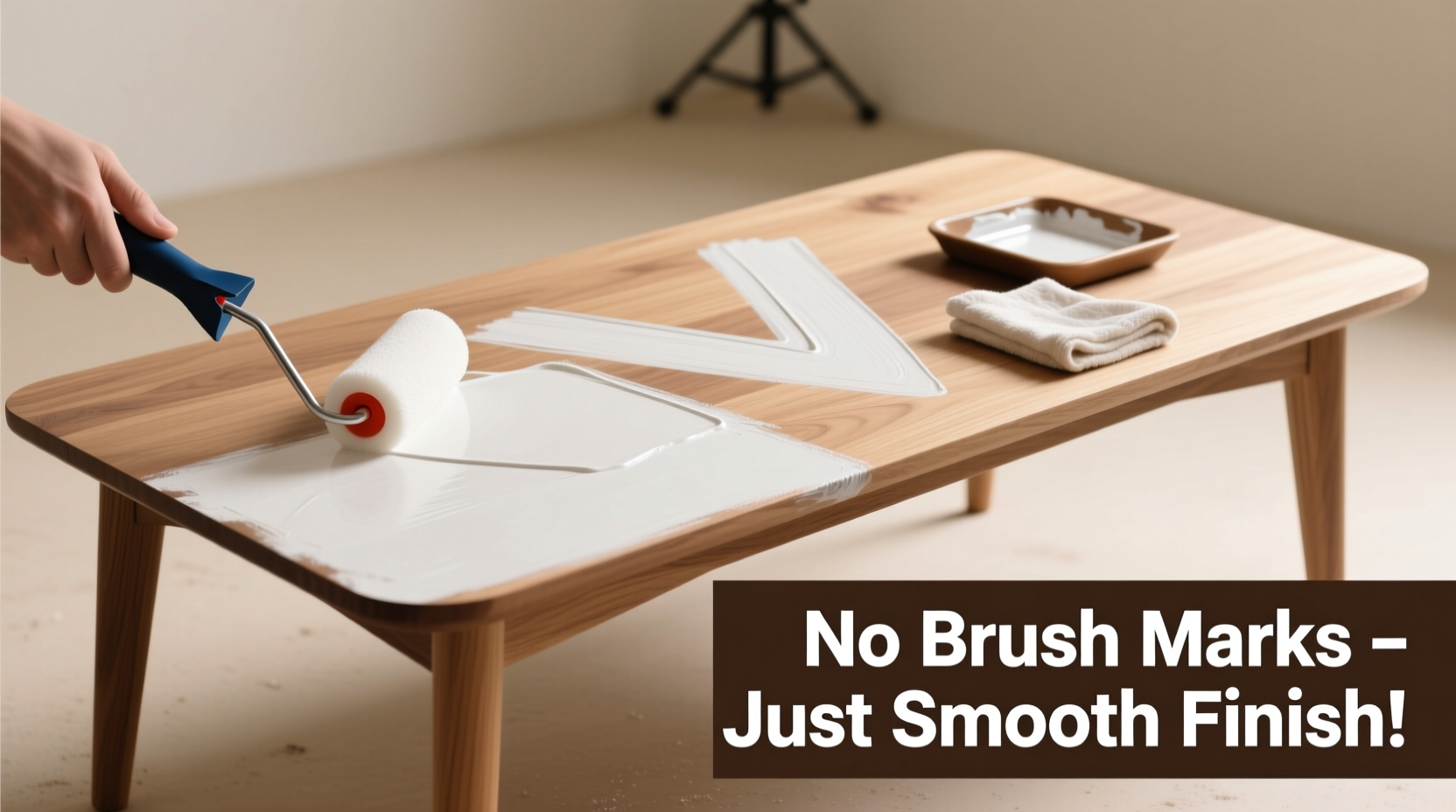
Brush marks occur when paint dries too quickly before it has time to level out, or when excess paint is left behind in uneven layers. Common causes include:
- Using low-quality brushes that shed bristles or leave streaks
- Applying thick coats instead of thin, even layers
- Inadequate sanding, leaving an uneven surface
- Poor lighting that hides imperfections during application
- Rushing between coats without proper drying or light sanding
Even experienced painters encounter brush marks if they skip preparation. The solution lies not in avoiding brushes altogether, but in mastering their use—and knowing when to replace them with better tools.
“Most brush marks are preventable with proper surface prep and controlled paint thickness. It’s more about patience than perfection.” — Sarah Linwood, Furniture Restoration Specialist
Essential Tools for a Smooth Finish
You don’t need a full workshop to paint furniture flawlessly. These five simple tools make all the difference:
- Fine-grit sandpaper (220–320 grit): For smoothing surfaces and leveling paint between coats.
- High-density foam roller (1/4” nap): Applies paint evenly with minimal texture, ideal for flat surfaces.
- Synthetic angled brush (2-inch): Use for edges and corners where rollers can’t reach. Choose one with flagged bristles for smoother release.
- Tack cloth or microfiber rag: Removes dust after sanding—critical for preventing bumps under paint.
- Paint conditioner (e.g., Floetrol): Extends drying time and improves flow, helping paint self-level.
Step-by-Step Guide to Brush-Mark-Free Painting
Follow this sequence for consistently smooth results—even on intricate or heavily used furniture.
Step 1: Disassemble and Clean Thoroughly
Remove hardware and wash the piece with mild dish soap and warm water. Grease, wax, and grime block paint adhesion. Rinse well and let dry completely—overnight is best.
Step 2: Lightly Sand the Surface
Use 180-grit sandpaper to scuff the existing finish. You’re not removing all the old paint—just creating “tooth” so new paint sticks. Wipe down with a tack cloth afterward. For glossy finishes, this step is non-negotiable.
Step 3: Apply Primer (If Needed)
Primer is essential when painting over dark wood, stained surfaces, or laminate. Use a bonding primer like Zinsser BIN for tricky substrates. Apply with a foam roller in thin, even passes. Let dry fully, then lightly sand with 220-grit paper.
Step 4: Modify Your Paint
Mix in a paint conditioner such as Floetrol (follow label ratios—usually 8–10% by volume). This slows drying, reduces brush marks, and enhances flow. Stir gently—don’t shake, which creates bubbles.
Step 5: Apply First Coat with Roller and Brush Combo
Use the foam roller for large, flat areas. Work in long, unbroken strokes in one direction. Switch directions slightly on second passes to avoid lap marks. For edges and recesses, use the angled brush with light pressure—never overload it. Keep a “wet edge” by overlapping each stroke before the previous section dries.
Step 6: Wait and Lightly Sand Between Coats
Wait at least 4–6 hours (or as directed) before re-coating. Then, sand with 320-grit paper just enough to smooth any raised grain or tiny bumps. Wipe clean with a tack cloth.
Step 7: Apply Second Coat Using the Same Method
A second coat almost always delivers the depth and smoothness you want. Repeat the roller-and-brush method, maintaining consistent stroke patterns. If needed, a third coat can be applied after another round of sanding.
Step 8: Final Buffing (Optional for Ultra-Smooth Finish)
After the final coat cures (wait 24–48 hours), lightly buff the surface with 400-grit wet/dry sandpaper and water. This eliminates any remaining texture. Follow with a wipe using a lint-free cloth.
Do’s and Don’ts When Painting Furniture
| Do | Don't |
|---|---|
| Use thin, even coats of paint | Apply thick, gloopy layers |
| Sand lightly between coats | Skip sanding between layers |
| Add paint conditioner for better flow | Use paint straight from the can without modification |
| Work in natural or bright task lighting | Paint in dim light where flaws hide |
| Clean brushes immediately after use | Let paint dry in your tools |
| Let each coat dry fully before recoating | Rush the process by applying wet-on-wet |
Real Example: Refinishing a Dated Oak Dresser
Marie, a homeowner in Portland, wanted to update her 1980s oak bedroom dresser without stripping it down to bare wood. The piece had a heavy varnish and ornate details that made brush marks likely. She followed the method above:
- She cleaned the dresser with TSP substitute and sanded with 180-grit paper.
- Applied one coat of shellac-based primer with a foam roller and synthetic brush.
- Mixed white satin acrylic paint with 10% Floetrol.
- Used a small foam roller on drawer fronts and sides, switching to a 2-inch angled brush for grooves.
- Sanded lightly with 320-grit after the first coat dried overnight.
- Applied a second coat the next day, keeping consistent stroke direction.
The result? A smooth, modern finish that looked sprayed. No brush marks were visible, even up close. The entire project took less than two days and cost under $50 in materials.
Alternative Tools That Eliminate Brush Marks
If you want to go beyond brushes entirely, consider these accessible options:
- Foam mini rollers (4-inch): Leave almost no texture and are perfect for drawers, shelves, and tabletops.
- Paint pads (mesh type): Glide smoothly over flat surfaces and reduce stipple compared to traditional rollers.
- DIY spray alternative – milk jug + nail hole: Some crafters poke a small hole in a plastic jug and drizzle paint in thin lines, then immediately roll it out. Not common, but effective for ultra-smooth blending.
While HVLP sprayers offer the smoothest finish, they require ventilation, masking, and cleanup effort. For most home projects, a high-density foam roller paired with a quality brush is simpler and nearly as effective.
FAQ
Can I paint furniture without sanding?
You can, but only if you use a bonding primer and the surface isn’t glossy. Skipping sanding increases the risk of peeling and makes brush marks more noticeable due to uneven adhesion. Light scuff-sanding is always recommended.
What kind of paint minimizes brush marks?
Acrylic latex paints modified with Floetrol work best. Chalk-style paints dry fast and tend to show strokes unless applied very thinly. Milk paint, when mixed with a bonding agent, can also be smooth—but requires sealing.
How long should I wait between coats?
Wait at least 4–6 hours for water-based paints, or longer in humid conditions. Always check manufacturer guidelines. Rushing leads to wrinkling, lifting, and trapped moisture that amplifies texture.
Final Checklist for a Flawless Finish
- ✅ Disassembled hardware and cleaned surface
- ✅ Sanded with 180–220 grit and wiped clean
- ✅ Applied primer (if needed) and sanded again
- ✅ Mixed paint with conditioner (e.g., Floetrol)
- ✅ Used foam roller for flat areas, quality brush for edges
- ✅ Applied thin, even coats with proper drying time
- ✅ Sanded lightly between coats with 220–320 grit
- ✅ Inspected under bright light for missed spots or texture
- ✅ Allowed final cure time (24–48 hours) before use




 浙公网安备
33010002000092号
浙公网安备
33010002000092号 浙B2-20120091-4
Comments
No comments yet. Why don't you start the discussion?