
Every laundry cycle ends the same way for most households: a pile of clean clothes folded neatly—except for the socks. Socks seem to multiply in the dryer, vanish into thin air, or return mismatched beyond recognition. The chaos of trying to match them one by one is not only time-consuming but oddly stressful. Yet, the solution isn’t more organization bins or stricter sorting—it’s a single, elegant trick that transforms sock pairing from a daily chore into a 30-second task.
This method doesn’t rely on high-tech gadgets or complicated systems. Instead, it uses foresight, consistency, and a small behavioral shift that pays off every week. Whether you live alone, share laundry duties with a partner, or manage a household of kids with mismatched cartoon-themed socks, this approach scales effortlessly.
The Hidden Cost of Mismatched Socks
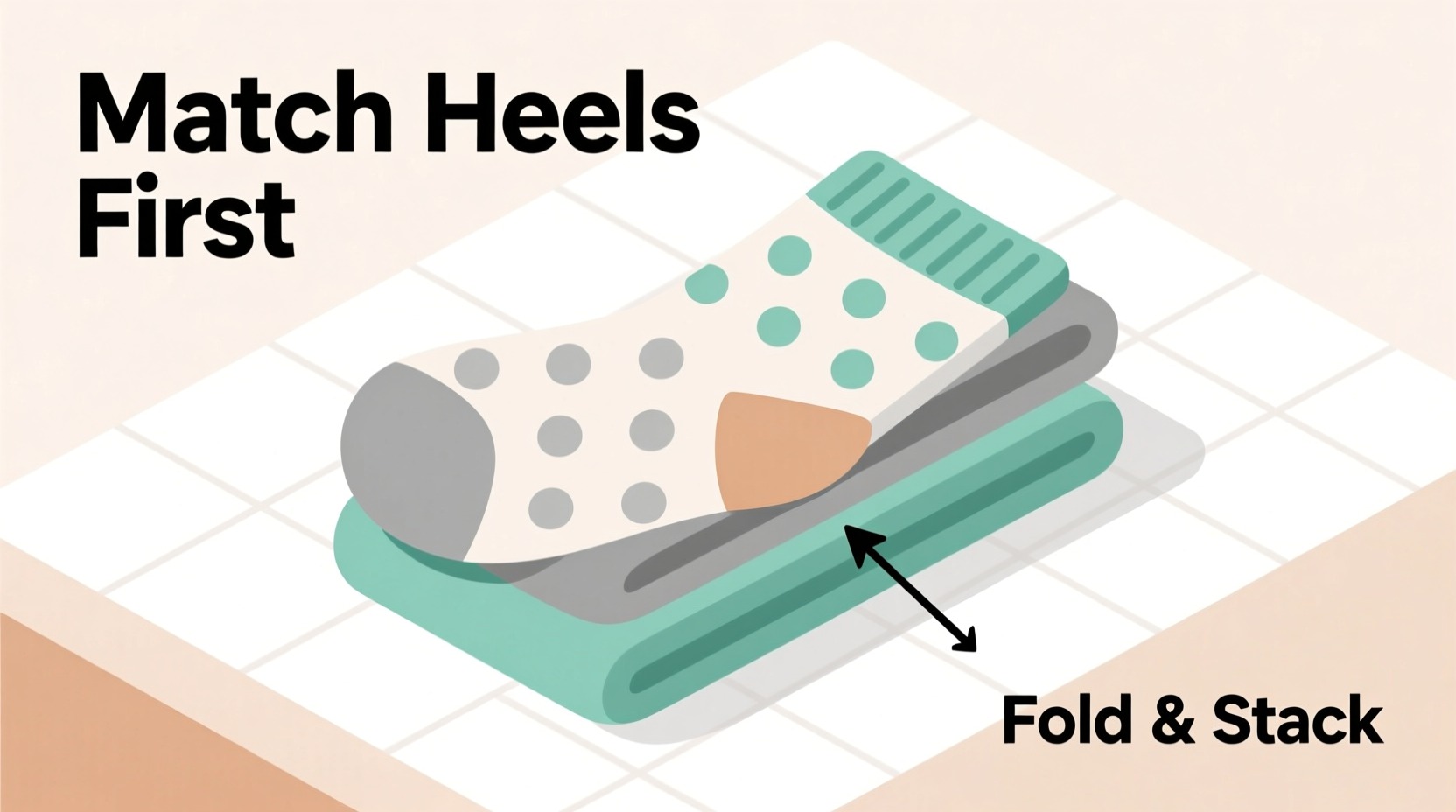
On the surface, unmatched socks may seem like a minor annoyance. But over time, the cumulative effect adds up. Studies estimate that the average person loses between 10 and 15 socks per year. That’s not just missing pairs—it’s wasted money, reduced wardrobe options, and unnecessary stress during morning routines.
More than that, the mental load of dealing with disorganized laundry contributes to what psychologists call “domestic decision fatigue.” Small unresolved tasks build up cognitive clutter. When something as simple as finding matching socks becomes a puzzle, it chips away at your sense of control. Solving this problem isn’t about perfectionism—it’s about reclaiming time and peace of mind.
The One Trick That Changes Everything: Clip Them Before Washing
The secret to perfectly paired socks after laundry? Clip them together before they go into the washer. Not after. Not during folding—but before washing begins.
Using simple metal or plastic laundry clips (also known as sock clips or garment clips), you attach each pair of socks at the ankle or cuff before tossing them into the laundry basket. This keeps them physically connected through the entire wash and dry cycle. When you pull them out, they’re already matched, eliminating the need to hunt, sort, or guess.
This method works regardless of fabric type, color, or quantity. It prevents socks from getting tangled in larger clothing items, reduces the chance of one disappearing behind the drum, and ensures both socks experience identical washing conditions—no more one coming out stretched or faded differently.
Why This Works Better Than Other Methods
Other common strategies fall short. Folding socks together pre-wash often fails because elastic weakens and seams loosen. Using mesh laundry bags helps contain socks but still requires manual pairing afterward. Color-coding or labeling is impractical for large collections. Digital tracking apps? Overkill for a $3 problem.
In contrast, clipping is passive, reliable, and nearly invisible once adopted. It takes less than two seconds per pair and integrates seamlessly into existing routines. Most users report forgetting they ever struggled with socks within a month.
“Pre-washing pairing is the single most effective laundry efficiency hack I’ve taught hundreds of clients. It’s low effort, high reward.” — Lena Peterson, Home Organization Consultant and Author of *Effortless Living*
Step-by-Step Guide: How to Implement the Clip-and-Wash System
Adopting this system requires no special skills or equipment. Follow these steps to make sock pairing effortless:
- Gather your tools: Purchase a pack of 10–20 durable laundry clips. Look for rust-resistant metal or flexible plastic with strong spring tension. These cost under $10 and last years.
- Sort socks by pair: Before starting laundry, sit down once and match all current loose socks. This initial audit may take 15–20 minutes, depending on backlog.
- Clip each pair: Attach one clip to both socks at the top cuff. Don’t over-tighten; just enough to hold them securely without damaging fabric.
- Wash as usual: Place clipped pairs directly into the washing machine. No need to remove clips—most are washer- and dryer-safe.
- Dry and fold: After drying, simply remove the clip and fold the pair together. Store them in your drawer as normal.
- Reuse clips: Return clips to a small container near your laundry area for next time.
That’s it. From then on, every laundry load maintains perfect sock alignment. No extra thinking. No second-guessing.
Optimizing Your Sock Management System
While clipping solves the core problem, a few complementary habits ensure long-term success.
Choose the Right Clips
Not all clips are created equal. Here’s a quick comparison to help you select the best option:
| Type | Pros | Cons | Best For |
|---|---|---|---|
| Stainless Steel Spring Clips | Durable, rust-resistant, strong grip | Slightly heavier, can snag delicate fabrics | Cotton, wool, athletic socks |
| Plastic Peg-Style Clips | Lightweight, smooth edges, colorful options | Less durable over time, weaker spring | Delicate or sheer socks |
| Magnetic Connector Strips | Reusable, no moving parts, sleek design | Higher upfront cost, limited availability | Frequent launders, minimalist homes |
| DIY Safety Pins | Always available, cheap | Risk of snags, tarnishing, lost pins | Emergency use only |
Label or Group by User (Optional)
In multi-person households, consider adding subtle identifiers. Use colored clips—blue for adults, green for kids—or assign each family member a clip style. This speeds up post-laundry distribution and reduces mix-ups.
Regular Sock Audit (Quarterly)
Even with clipping, socks wear out. Every three months, do a quick audit:
- Remove any socks with holes, thinning fabric, or lost elasticity.
- Check for mismatched clips or broken fasteners.
- Donate usable singles to textile recycling programs.
This prevents degraded socks from weakening the system and keeps your collection functional.
Real-Life Example: The Johnson Family’s Laundry Transformation
The Johnsons, a family of five in Portland, Oregon, used to spend nearly an hour every Sunday evening sorting laundry, with socks being the biggest bottleneck. Two teenagers with sports teams meant constant loads of sweaty athletic socks, while their youngest had sensory-sensitive preferences requiring exact matches.
After reading about the clipping method, they invested $12 in a set of 20 stainless steel clips. They held a “sock night” where everyone matched their existing pairs and attached clips. Initially skeptical, they noticed immediate results: their first post-clip laundry load took 18 minutes less to fold.
Within six weeks, the routine was automatic. Their 10-year-old now clips her own socks without reminders. The parents estimate they’ve saved over 40 hours annually—and eliminated three weekly arguments about mismatched gym socks.
“It sounds silly,” says Sarah Johnson, “but when something small stops being a fight, it changes the whole mood of the house.”
Common Questions About the Clipping Method
Will the clips damage my socks or washing machine?
No. High-quality clips are designed for repeated laundry use. Stainless steel won’t rust, and plastic won’t crack under heat. Just avoid decorative clips with sharp edges or loose parts. Always check manufacturer guidelines if unsure.
What if I forget to clip a pair?
Happens to everyone. When you notice a loose pair mid-cycle, simply match and clip them before the next wash. Keep a spare clip in your laundry area as a reminder. Over time, the habit becomes reflexive.
Can I use this for other small items?
Absolutely. Many users extend the system to underwear sets, baby onesies, washcloths, or even charging cables. The principle applies to any paired or grouped items prone to separation.
Maximizing Long-Term Success: A Maintenance Checklist
To keep your sock pairing system running smoothly, follow this monthly checklist:
- ✅ Reconcile any missing or damaged clips.
- ✅ Inspect socks for wear and replace worn pairs.
- ✅ Clean clips with mild soap and water if lint builds up.
- ✅ Confirm all household members understand the process.
- ✅ Store clips in a designated spot to prevent loss.
Consistency is key. Like any habit, the more you repeat it, the more automatic it becomes. Within two months, you’ll likely find yourself reaching for the clip without thinking.
Conclusion: Turn Chaos Into Calm With One Small Change
The struggle with mismatched socks isn’t a personal failing—it’s a design flaw in how we handle laundry. By shifting the pairing step from *after* washing to *before*, you align your workflow with the physics of the process. You stop fighting entropy and start working with it.
This isn’t about obsessive neatness. It’s about designing systems that reduce friction in daily life. The clip-and-wash method costs almost nothing, takes minimal effort, and delivers outsized returns in time, sanity, and satisfaction. Once implemented, you’ll wonder how you ever lived without it.




 浙公网安备
33010002000092号
浙公网安备
33010002000092号 浙B2-20120091-4
Comments
No comments yet. Why don't you start the discussion?