
Hosting a gathering doesn’t require a sommelier’s palate or a gourmet pantry. One of the most elegant yet effortless ways to impress guests is with a well-curated wine and cheese board. When paired thoughtfully, wine and cheese elevate each other—balancing acidity, fat, salt, and texture in a way that feels both indulgent and intuitive. The key isn’t memorizing obscure rules; it’s understanding a few foundational principles that make pairing accessible, enjoyable, and reliably successful.
This guide breaks down the essentials of wine and cheese pairing into practical, actionable insights. Whether you're preparing for a dinner party, holiday soirée, or casual weekend get-together, these strategies will help you build a balanced selection that delights your guests and reflects your personal taste.
Understand the Core Principles of Pairing
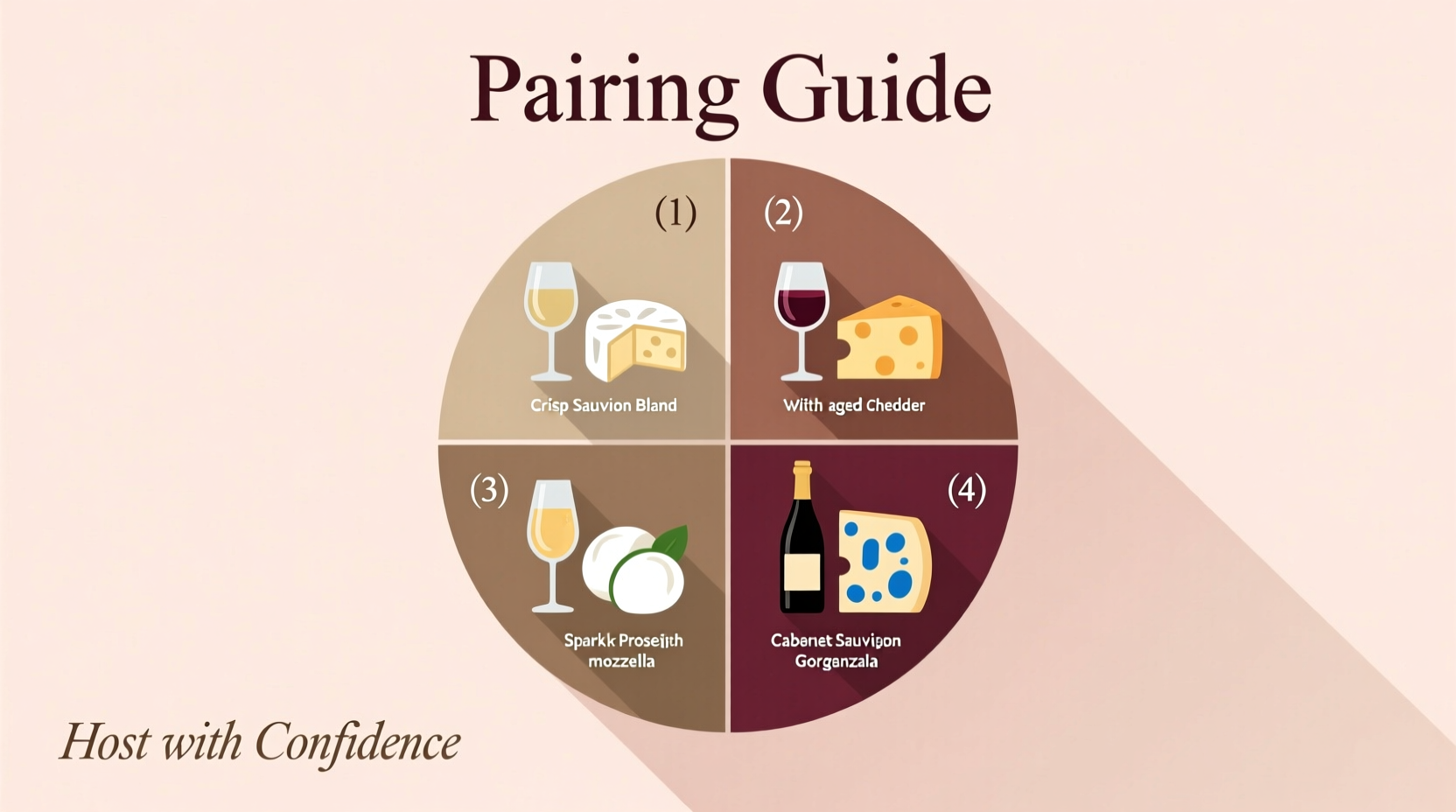
Successful pairings revolve around harmony and contrast. You’re not just matching two flavors—you’re creating an experience where each bite and sip enhance the other. Consider four primary elements: intensity, acidity, fat, and salt.
- Intensity Match: Pair mild cheeses with light-bodied wines, bold cheeses with full-bodied wines. A delicate goat cheese overwhelmed by a tannic Cabernet Sauvignon loses its charm, just as a creamy blue cheese can vanish against a faint Pinot Grigio.
- Acidity Cuts Fat: High-acid wines like Sauvignon Blanc or Champagne cut through rich, fatty cheeses (e.g., Brie or Camembert), cleansing the palate and refreshing the senses.
- Sweet Balances Salt: Salty cheeses like aged Manchego or blue varieties are beautifully offset by slightly sweet or off-dry wines such as Sauternes or late-harvest Riesling.
- Tannins Meet Protein: Red wines with firm tannins (like Cabernet Sauvignon) bind with protein and fat in aged hard cheeses, softening the wine’s structure and smoothing the cheese’s richness.
Build a Balanced Cheese Selection
A well-rounded cheese board typically includes three to five varieties, spanning different textures and flavor profiles. This variety ensures there’s something for every guest and provides multiple pairing opportunities.
- Fresh Cheese: Unaged, high-moisture cheeses like goat cheese (chèvre), mozzarella, or ricotta. Light, tangy, and often citrusy.
- Soft-Ripened: Creamy interior with an edible rind—Brie, Camembert, or triple crème cheeses. Rich and buttery.
- Semi-Hard: Cooked and pressed, with nutty or fruity notes. Examples include Gruyère, Havarti, or young Gouda.
- Hard Aged: Long-aged cheeses with crystalline texture and deep umami—Parmigiano-Reggiano, aged Cheddar, or Pecorino.
- Blue: Veined with mold, offering bold, pungent, and salty flavors. Think Roquefort, Stilton, or Gorgonzola.
When selecting, aim for diversity in milk type (cow, goat, sheep) and origin. Serve cheeses at room temperature—take them out of the fridge 30–60 minutes before serving to allow flavors to open up.
Wine Pairing Guide by Cheese Type
The following table offers reliable starting points for pairing common cheeses with wines. These combinations are tried-and-true, balancing contrast and harmony.
| Cheese Type | Example Cheeses | Recommended Wines | Why It Works |
|---|---|---|---|
| Fresh | Chèvre, Burrata, Feta | Sauvignon Blanc, Prosecco, Albariño | High acidity in wine matches the tanginess of fresh cheese and cuts through creaminess. |
| Soft-Ripened | Brie, Camembert, Brillat-Savarin | Champagne, Chardonnay, Pinot Noir | Bubbles and acidity cleanse the palate; light reds complement earthy rinds without overpowering. |
| Semi-Hard | Gruyère, Fontina, Young Gouda | Pinot Noir, Viognier, Dry Rosé | Fruity reds and aromatic whites mirror nutty-sweet notes without clashing. |
| Hard Aged | Parmigiano-Reggiano, Aged Cheddar, Manchego | Barbera, Zinfandel, Tawny Port | Wines with bright acidity or slight sweetness balance salt and amplify savory depth. |
| Blue | Stilton, Roquefort, Gorgonzola | Sauternes, Port, Late Harvest Riesling | Sweet wines contrast salty, pungent blues, creating a luxurious balance. |
“Pairing wine and cheese is less about perfection and more about pleasure. Trust your palate—if it tastes good together, it *is* a good pairing.” — Laura Martinez, Certified Cheese Professional & Wine Educator
Step-by-Step Guide to Building Your Board for Hosting
Follow this timeline to prepare a polished, crowd-pleasing spread without last-minute stress.
- 48 Hours Before: Purchase cheeses. Choose a mix of textures and intensities. Let your retailer know you’re building a board—they may offer samples or suggestions.
- 24 Hours Before: Open wines you plan to serve. If using older reds, consider decanting. Chill whites and sparkling wines.
- 2 Hours Before: Arrange cheeses on a wooden board or slate platter. Space them evenly. Label each with small tags if desired.
- 1 Hour Before: Add accompaniments: sliced apples, grapes, dried figs, honey, toasted nuts, olives, and crusty bread or crackers.
- 30 Minutes Before Serving: Remove cheeses from the refrigerator. Pour the first round of wine to welcome guests.
- During the Event: Encourage guests to mix bites. Offer small tasting spoons for soft cheeses to prevent cross-contamination.
Common Mistakes to Avoid
Even experienced hosts can fall into traps that dull the experience. Watch out for these pitfalls:
- Serving cheese cold: Cold temperatures mute flavor and texture. Always bring cheese to room temperature.
- Overloading the board: Too many cheeses overwhelm guests and dilute focus. Stick to 3–5 varieties.
- Mismatching intensities: Avoid pairing a bold blue cheese with a timid white wine—it will drown the wine.
- Ignoring non-alcoholic options: Not all guests drink alcohol. Offer sparkling water with citrus or house-made shrubs (fermented fruit syrups) as alternatives.
- Forgetting the basics: Provide separate knives for each cheese and napkins or small plates for ease.
Real Example: A Successful Dinner Party Pairing Flow
Sophie hosted a winter dinner for eight friends. She wanted the cheese course to be a highlight but didn’t want to overcomplicate things. She selected four cheeses: a creamy chèvre, a buttery Camembert, a nutty aged Gouda, and a sharp Stilton. For wines, she chose a crisp Sancerre, a lightly oaked Chardonnay, a medium-bodied Pinot Noir, and a half-bottle of Tawny Port.
She arranged the cheeses clockwise by intensity and placed wine glasses in corresponding positions. Guests started with chèvre and Sancerre—the zesty citrus in the wine lifted the cheese’s tang. They moved to Camembert with Chardonnay, enjoying how the wine’s vanilla notes mirrored the rind’s earthiness. The Gouda paired beautifully with Pinot Noir, its red fruit cutting the caramelized notes in the cheese. Finally, the Stilton and Port combination drew audible sighs of satisfaction—sweet, salty, and deeply comforting.
Sophie later said, “I was nervous, but sticking to the intensity rule made it foolproof. Everyone felt confident trying new combinations.”
Checklist: Preparing Your Wine and Cheese Spread
Use this checklist to ensure nothing is overlooked when hosting:
- ☐ Select 3–5 cheeses with varied textures and milk types
- ☐ Choose wines that match or thoughtfully contrast each cheese
- ☐ Buy accompaniments: fruits, nuts, honey, charcuterie (optional)
- ☐ Gather serving tools: cheese knives, small spoons, labels, board
- ☐ Remove cheeses from fridge 30–60 minutes before serving
- ☐ Chill white, rosé, and sparkling wines; serve reds slightly below room temperature
- ☐ Open and decant wines if needed ahead of time
- ☐ Set up the board with space between items for easy access
- ☐ Offer palate cleansers: plain crackers, water, green apple slices
- ☐ Smile and enjoy—your guests are here for connection, not perfection
Frequently Asked Questions
Can I pair red wine with all types of cheese?
Not universally. Light reds like Pinot Noir work well with soft and semi-hard cheeses, but avoid pairing heavy, tannic reds (like young Nebbiolo or Syrah) with fresh or soft-ripened cheeses—they can clash. Save bold reds for aged, protein-rich cheeses.
What if someone doesn’t drink alcohol?
Offer non-alcoholic pairings that mimic wine’s structure. Try tart cherry juice, hibiscus iced tea, or apple cider vinegar-based shrubs. Their acidity and complexity can stand in for wine’s role in cutting fat and enhancing flavor.
How much cheese should I plan per person?
For a dedicated cheese course, allow 2–3 ounces (55–85 grams) of cheese per guest. If it’s part of a larger spread, 1–2 ounces is sufficient. When in doubt, err on the side of slightly more—leftover cheese can be used in cooking.
Final Tips for Confident Hosting
The beauty of wine and cheese pairing lies in its simplicity and sociability. You don’t need rare bottles or imported wheels to create a memorable experience. Start with quality ingredients, apply basic pairing logic, and prioritize hospitality over perfection.
Encourage guests to experiment. Ask, “How does the cheese change after a sip of wine?” These moments of discovery foster connection and delight. Remember, even in France—a country steeped in culinary tradition—cheese is often served after dessert, defying formal rules in favor of personal enjoyment.




 浙公网安备
33010002000092号
浙公网安备
33010002000092号 浙B2-20120091-4
Comments
No comments yet. Why don't you start the discussion?