
A journal is more than just a place to write—it's a personal sanctuary, a creative outlet, and often, a reflection of who you are. While blank covers serve their purpose, transforming them into something uniquely yours adds emotional value and daily inspiration. One of the most accessible and expressive ways to do this is by using washi tape and stickers. These low-cost, widely available materials allow for endless customization without damaging the surface. Whether you're a bullet journaler, a writer, or someone exploring self-expression, personalizing your journal can deepen your connection to the practice.
Washi tape—originating from Japan—is a decorative masking tape made from natural fibers like bamboo or rice paper. It’s lightweight, repositionable, and comes in countless colors, patterns, and widths. Stickers, especially planner-style ones, offer thematic elements, quotes, icons, and textures that complement your aesthetic. Together, they form a dynamic duo for crafting a cover that evolves with you.
Why Personalize Your Journal Cover?
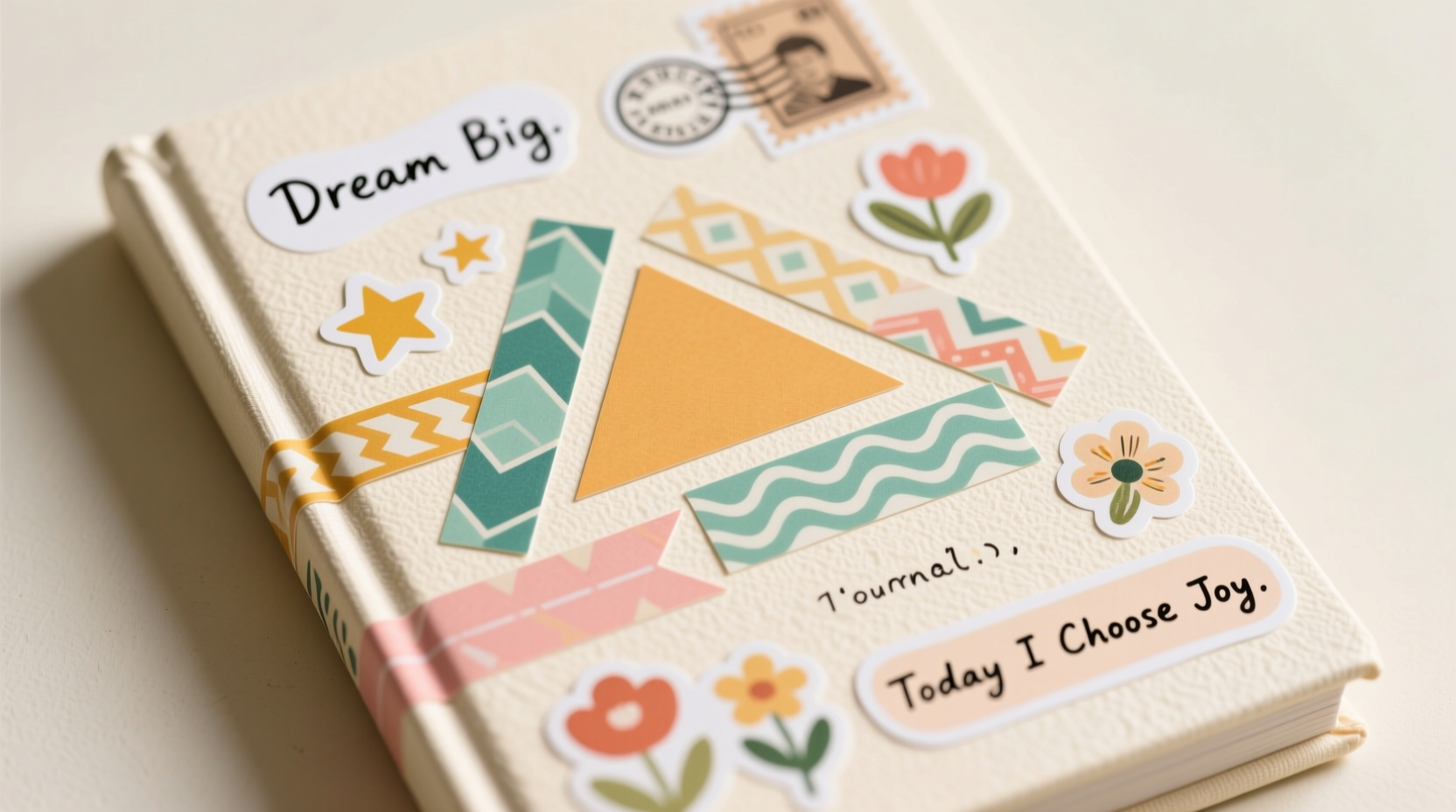
Personalization isn’t just about aesthetics. A customized cover sets the tone for what happens inside. It signals intention. When you pick up a journal that reflects your style, mood, or goals, you’re more likely to use it consistently. Studies in behavioral psychology suggest that objects we feel emotionally attached to are used more frequently and cared for more deliberately.
Beyond functionality, personalizing your journal fosters creativity. The act of designing a cover engages your imagination before you even begin writing. It becomes part of the ritual—an invitation to create. For students, artists, and professionals alike, a visually appealing journal can boost motivation and make note-taking or planning feel less like a chore.
Selecting Materials: Washi Tape & Stickers That Work Best
Not all washi tape and stickers are created equal. Some are better suited for long-term durability, while others excel in design flexibility. Here’s how to choose wisely:
- Washi Tape Quality: Opt for tapes labeled as “archival-safe” or “acid-free” if you plan to keep the journal for years. These won’t yellow or damage the cover over time.
- Adhesive Strength: Look for moderate tack—strong enough to stay put but gentle enough to remove or reposition without residue.
- Variety in Width: Use narrow tapes (3–6 mm) for fine lines and borders, medium (10–15 mm) for frames, and wide (20+ mm) for bold patterns or color blocking.
- Sticker Types: Vinyl stickers are durable and water-resistant; paper stickers offer a vintage look but may require sealing; puffy stickers add texture but increase bulk.
Consider sourcing from reputable brands like MT (Masking Tape), K&Company, or Studio McGee for consistent quality. Planner supply stores and online marketplaces often carry themed sticker packs—floral, minimalist, motivational, seasonal—that align with your personality.
Step-by-Step Guide: Designing Your Custom Cover
Creating a personalized journal cover doesn’t require artistic training. Follow this structured process to build a cohesive, eye-catching design.
- Plan Your Layout: Before applying anything, sketch a rough idea on paper or visualize placement. Decide whether you want symmetry, asymmetry, or a central focal point.
- Clean the Surface: Wipe the journal cover with a dry cloth to remove dust or oils. This ensures better adhesion.
- Apply Base Washi Elements: Start with larger washi tape sections—such as diagonal stripes, corner accents, or a border frame. Press gently with a bone folder or spoon to avoid air bubbles.
- Add Layered Details: Use narrower tapes to create geometric patterns, chevrons, or faux stitching effects. Overlap translucent tapes for depth.
- Place Stickers Strategically: Position key stickers first—like a title, emblem, or quote. Fill gaps with smaller icons (stars, leaves, arrows) to balance the composition.
- Final Touches: Add hand-lettered titles with fine liners or metallic pens. Seal delicate areas with a clear matte sealant spray if needed.
Creative Themes and Design Ideas
Your journal’s theme should resonate with your interests or intentions. Here are five popular concepts paired with washi and sticker strategies:
1. Minimalist Zen
Use neutral-toned washi tape (beige, gray, soft green) in clean lines. Pair with small line-art stickers—mountains, waves, or simple circles. Avoid clutter; leave generous white space.
2. Boho Dreamcatcher
Incorporate floral washi patterns, tassels (simulated with frayed tape edges), and celestial stickers (moons, stars). Layer tapes in overlapping arches to mimic dreamcatcher webs.
3. Productivity Powerhouse
Designate zones with colored washi borders—e.g., “Goals,” “Tasks,” “Notes.” Use functional stickers like checkboxes, priority flags, or calendar icons. Keep it bold and organized.
4. Travel Explorer
Map-themed washi tape, airplane stickers, and passport-style stamps create an adventurous vibe. Add handwritten city names or dates with a fine-tip pen.
5. Seasonal Rotation
Create a cover that changes with the seasons. Use removable washi and stickers so you can update it quarterly—pastels for spring, bright florals for summer, warm tones for fall, glitter accents for winter.
“Personalization turns a generic object into a meaningful artifact. The cover becomes a visual diary of the user’s evolving identity.” — Lena Torres, Journaling & Creative Expression Coach
Do’s and Don’ts: Common Mistakes to Avoid
| Do’s | Don’ts |
|---|---|
| Test adhesive on a small area first | Use permanent tape like duct or packing tape |
| Layer washi tapes in complementary patterns | Overload the cover with too many competing designs |
| Seal paper stickers with Mod Podge for durability | Apply stickers over uneven or wrinkled tape |
| Leave space for a title or your name | Forget about spine visibility—if storing on a shelf |
| Use removable products for temporary styles | Expose finished covers to direct sunlight for long periods |
Real-Life Example: Maya’s Bullet Journal Transformation
Maya, a college student majoring in environmental science, struggled to stay consistent with her weekly planning. Her plain black notebook felt impersonal and intimidating. After attending a stationery workshop, she decided to revamp her journal using ocean-themed washi tape and marine life stickers.
She began by outlining a coral reef scene along the bottom edge with wavy strips of blue and coral tape. She layered seashell and fish stickers above it, adding a hand-lettered title: “Tide Notes.” Within days, she found herself reaching for her journal more often—not just for assignments, but to sketch tide charts and record fieldwork observations.
“It stopped feeling like a chore,” she said. “Now it’s my favorite thing to open. I even started a habit tracker shaped like a lighthouse.”
This small act of personalization led to a 70% increase in her journal usage over two months, proving that visual engagement can drive behavioral change.
Maintenance and Longevity Tips
A beautifully decorated cover deserves protection. Over time, wear and tear from handling, moisture, or friction can dull your design. Consider these maintenance practices:
- Seal the Surface: Apply 1–2 light coats of clear acrylic sealer (matte finish recommended) to protect stickers and prevent tape lifting.
- Carry Thoughtfully: Store your journal in a protective sleeve or tote bag to minimize rubbing against keys or other hard objects.
- Refresh as Needed: Keep extra washi and stickers on hand to repair peeling edges or update seasonal themes.
- Avoid Moisture: Never leave your journal in humid environments like bathrooms or near windows where condensation occurs.
Frequently Asked Questions
Can I remove washi tape later without damaging the cover?
Yes, high-quality washi tape is designed to be removable without residue or tearing. However, prolonged exposure to heat or sunlight may increase stickiness. Test removal on a small corner first, and peel slowly at a 45-degree angle.
What if I make a mistake during application?
One advantage of washi tape is its forgiving nature. Most mistakes can be corrected by lifting the tape and reapplying. For stickers, use a plastic eraser lifter or tweezers to gently remove and reposition. Practice on scrap paper first if you're unsure.
Are there eco-friendly options for washi tape and stickers?
Yes. Many brands now offer biodegradable washi tape made from recycled fibers and soy-based adhesives. Look for FSC-certified paper stickers and water-based inks. Some companies even provide compostable packaging.
Checklist: How to Personalize Your Journal Cover in 7 Steps
- Choose a theme or mood for your journal (e.g., calm, productive, adventurous)
- Gather high-quality washi tape and stickers in coordinating colors and patterns
- Clean the journal cover and let it dry completely
- Sketch a layout idea or arrange elements loosely before adhering
- Apply base washi tape elements (borders, panels, diagonals)
- Layer stickers and additional tape details for depth and interest
- Seal with a protective coating if desired and label with your name or title
Conclusion: Make It Yours, Make It Last
Personalizing a journal cover with washi tape and stickers is more than a craft—it’s an act of self-definition. Each strip of tape and every sticker carries meaning, memory, or aspiration. The process invites mindfulness, creativity, and ownership. You don’t need expensive tools or advanced skills; just intention and a willingness to play.
Start simple. Try one border. Add a single meaningful sticker. See how it feels to open a journal that looks like *you*. Then build from there. Rotate designs with the seasons, match layouts to your goals, or let spontaneity guide your choices. The only rule is that there are no rules—only expression.




 浙公网安备
33010002000092号
浙公网安备
33010002000092号 浙B2-20120091-4
Comments
No comments yet. Why don't you start the discussion?