
A keychain is more than a practical tool for holding keys—it can be a personal statement, a memory keeper, or even a wearable story. In a world where mass-produced accessories dominate, personalizing your keychain offers a way to carry something intimate and expressive every day. Whether it’s a symbol of heritage, a tribute to a loved one, or a reminder of a milestone, the right combination of charms and symbols transforms a simple metal ring into a curated piece of identity.
Unlike jewelry worn on the body, a keychain travels with you through daily routines: clipped to bags, jingling in pockets, or hanging from car keys. Because of its constant presence, a personalized keychain becomes a subtle yet powerful extension of self. The process of selecting and assembling meaningful elements encourages reflection, creativity, and emotional connection.
Selecting Symbols That Resonate With Your Story
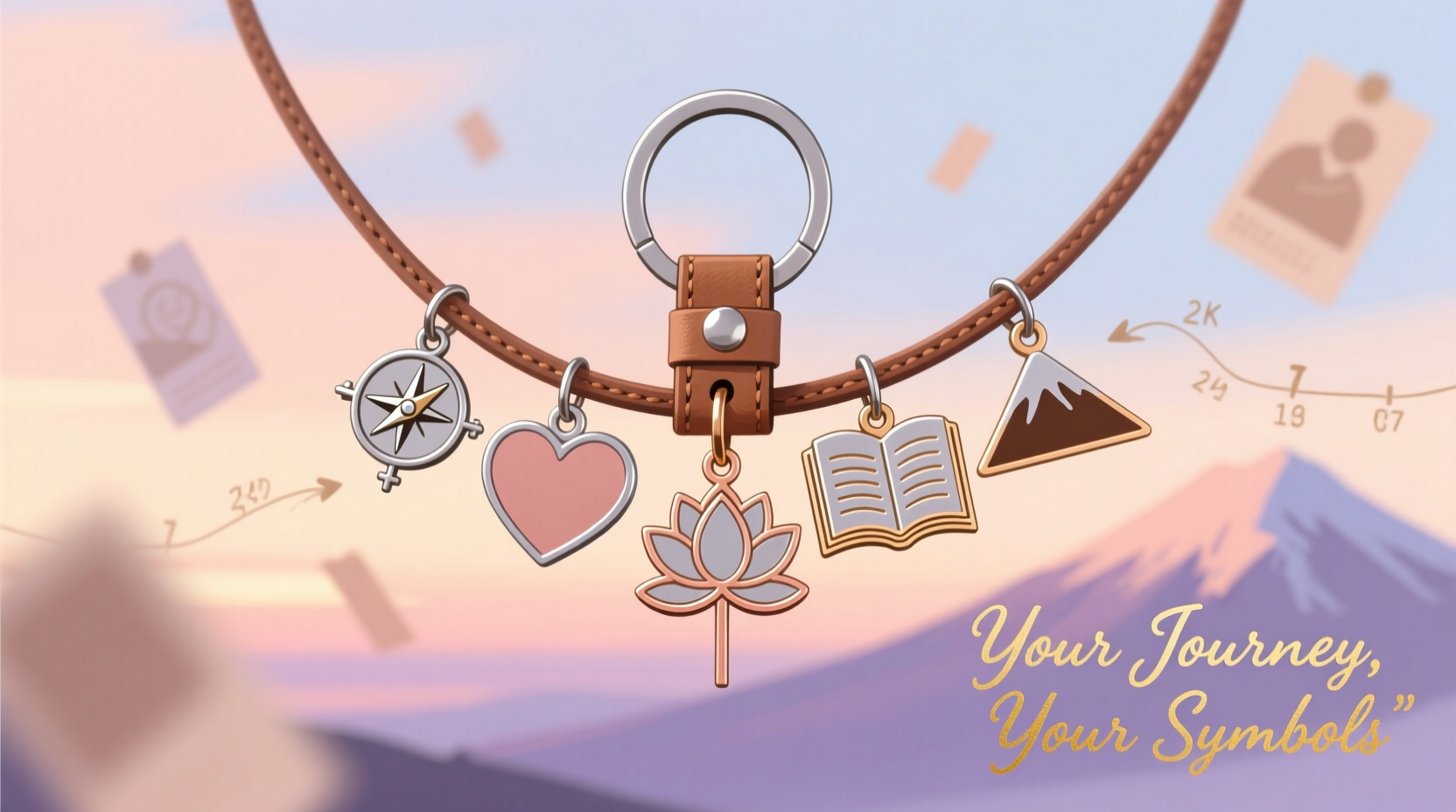
The first step in personalization is choosing symbols that hold significance. These don’t need to be elaborate or expensive—they should simply speak to your experiences, beliefs, or aspirations. A well-chosen charm acts as a visual anchor for a memory, emotion, or goal.
Consider symbols tied to life events: a compass for someone who loves travel or has relocated often, an animal representing a spirit guide or childhood pet, or a musical note for a musician. Cultural emblems, such as Celtic knots or Hamsa hands, offer deep historical meaning and can honor ancestry or spiritual practice.
“Objects gain power when they’re imbued with intention. A charm isn’t just decorative—it’s a tactile reminder of what matters.” — Lila Torres, Art Therapist & Symbolism Researcher
Some people use zodiac signs, birthstones, or initials to represent themselves or loved ones. Others opt for abstract shapes—a heart for love, a flame for passion, or a book for lifelong learning. The key is authenticity: if a symbol evokes a feeling or memory, it belongs on your keychain.
Types of Charms and Materials to Consider
Charms come in various materials, each offering different aesthetics and durability. Choosing the right material ensures your keychain remains both beautiful and functional over time.
| Material | Pros | Cons |
|---|---|---|
| Stainless Steel | Durable, rust-resistant, sleek finish | Limited color options |
| Sterling Silver | Elegant, timeless, easy to engrave | Tarnishes over time, requires polishing |
| Brass | Warm tone, affordable, vintage appeal | Can cause skin discoloration, may oxidize |
| Enamel | Vibrant colors, smooth texture | Chips easily under impact |
| Wood or Resin | Lightweight, eco-friendly, artistic | Less durable, sensitive to moisture |
When combining materials, consider balance. A heavy silver charm might overwhelm a delicate wooden bead unless offset by other elements. Mixing textures—matte with polished, rough with smooth—adds visual interest without clutter.
For longevity, avoid charms with glued components or thin soldering. These may break under daily stress. Instead, look for solid cast pieces or those with welded jump rings.
Step-by-Step Guide to Assembling Your Keychain
Building your keychain doesn’t require professional tools. With basic supplies and patience, you can create a customized piece in under an hour.
- Gather Supplies: Collect your chosen charms, a keyring (preferably a split ring for security), jump rings (small metal loops used to attach charms), pliers (flat-nose and round-nose), and optional spacer beads.
- Plan the Layout: Lay out all elements on a flat surface. Arrange them in order of importance or visually pleasing symmetry. Decide whether you want a linear flow or clustered design.
- Open Jump Rings Safely: Use two pairs of pliers to twist the jump ring open sideways—never pull it apart, which distorts the shape. Slide on the charm, then close the ring securely.
- Attach to Keyring: Once all charms are on jump rings, open each ring and hook it directly onto the main keyring. Close tightly to prevent loss.
- Test and Adjust: Shake the keychain gently to ensure nothing wobbles loose. Remove any pieces that overcrowd or snag.
Mini Case Study: Emma’s Memory Keychain
Emma, a nurse from Portland, lost her mother to cancer in 2022. Struggling with grief, she wanted a way to carry her mother’s presence without wearing traditional memorial jewelry. She decided to build a keychain that reflected their shared passions.
She selected a tiny silver gardening trowel (her mother’s favorite hobby), a lavender enamel charm (her mom’s favorite scent), and a stamped disc engraved with “Always With Me.” She added a small flashlight charm—not just practical, but symbolic of guidance. Each time she unlocks her car or opens her home, she feels a quiet connection.
“It’s not flashy,” she said. “But it’s mine. When I touch it, I remember her laugh, her hands in the soil. It keeps me grounded.”
This example shows how deeply personal narratives can be woven into everyday objects. No two keychains like Emma’s will ever exist—because no two relationships are identical.
Do’s and Don’ts of Keychain Personalization
To ensure your creation is both meaningful and long-lasting, follow these guidelines.
| Do’s | Don’ts |
|---|---|
| Choose lightweight charms to avoid strain on pockets or bags | Overload with too many large or heavy pieces |
| Use engraving for names, dates, or short messages | Rely solely on stickers or temporary attachments |
| Incorporate functional items like bottle openers or mini flashlights | Include sharp or protruding elements that could damage fabric |
| Replace worn or damaged charms instead of discarding the whole chain | Forget about maintenance—wipe down metal regularly to prevent tarnish |
“Personalization works best when it serves both sentiment and function. The most cherished accessories are the ones used daily.” — Diego Mendez, Industrial Designer
Creative Ideas for Meaningful Combinations
While some prefer minimalism, others enjoy telling layered stories through multiple charms. Here are several thematic combinations to inspire your own design:
- The Journey Series: Stack charms representing places lived or visited—Eiffel Tower for Paris, cherry blossom for Japan, a red boot for Newfoundland.
- Family Legacy: Include initial charms for each family member, a house silhouette for your childhood home, and a paw print if you have pets.
- Milestone Marker: Graduation cap, airplane (first solo trip), wedding bells, or a tiny stethoscope (passed medical boards).
- Inner Compass: Combine a compass, lotus flower (growth), and anchor (stability) to represent personal values.
- Fandom Tribute: Subtle nods to favorite books, films, or bands—like a lightning bolt for Harry Potter fans or a treble clef with a specific band’s logo.
You can also theme by color psychology: blue for calm, red for energy, green for renewal. Match enamel or bead colors to the emotions you wish to invoke.
Where to Source High-Quality Charms
Not all charms are created equal. While dollar stores offer variety, they often use low-grade alloys that fade or break quickly. For lasting quality, consider these sources:
- Local Craft Fairs: Independent artisans often sell hand-stamped, ethically sourced metal charms.
- Specialty Jewelry Supply Stores: Websites like Fire Mountain Gems or Rio Grande offer bulk sterling silver and gold-filled options.
- Custom Engraving Shops: Many local engravers can personalize blank discs or tags with handwriting, coordinates, or fingerprints.
- Eco-Conscious Brands: Companies using recycled metals or sustainably harvested wood align with mindful consumerism.
If you're artistically inclined, make your own charms using polymer clay, resin casting, or metal stamping kits. DIY adds another layer of meaning—your fingerprints literally shape the piece.
Frequently Asked Questions
Can I add charms to an existing keychain?
Absolutely. As long as you have access to the keyring and the right tools (pliers and jump rings), you can modify or expand your keychain at any time. Just ensure new additions don’t compromise balance or usability.
How do I clean and maintain a personalized keychain?
Wipe metal charms weekly with a soft cloth. For tarnished silver, use a polishing pad or mild baking soda paste. Avoid submerging resin or wooden elements in water. Store in a dry place when not in use, especially in humid climates.
Is it okay to give a personalized keychain as a gift?
Yes—and it’s often deeply appreciated. A thoughtfully assembled keychain shows effort and understanding. Include symbols relevant to the recipient: their hobby, hometown, or a shared inside joke. Just avoid overly intimate symbols unless the relationship warrants it.
Checklist: Building Your Meaningful Keychain
Follow this concise checklist to ensure a successful and satisfying customization process:
- ☐ Define the purpose: memory, identity, motivation, or gift
- ☐ Choose 3–5 meaningful symbols or themes
- ☐ Select durable materials suited to daily wear
- ☐ Source high-quality charms from trusted suppliers
- ☐ Plan layout before assembly
- ☐ Use proper tools to attach charms securely
- ☐ Test functionality and comfort
- ☐ Clean and maintain regularly
Conclusion: Make It Yours, Carry It Daily
Your keychain doesn’t have to be generic. By investing time in selecting symbols that reflect who you are—or who you’re becoming—you turn a utilitarian object into a personal talisman. Every time you reach for your keys, you’re reminded of what matters: love, growth, resilience, joy.
Start small. Pick one charm that means something. Attach it. Feel the difference. Then add another when the moment feels right. There’s no deadline, no rules—only intention.




 浙公网安备
33010002000092号
浙公网安备
33010002000092号 浙B2-20120091-4
Comments
No comments yet. Why don't you start the discussion?