
For many sneaker enthusiasts, a pair of shoes is more than just footwear—it’s a statement. A well-curated sneaker collection speaks volumes about personal taste, creativity, and cultural awareness. While limited editions and designer collaborations grab headlines, one of the most accessible and expressive ways to elevate your collection lies in customization. Custom laces and patches offer an affordable, reversible, and highly creative method to transform even the most basic sneakers into unique works of art.
Unlike permanent modifications like paint or dye, laces and patches allow for flexibility. You can switch up your look seasonally, match outfits, or celebrate moods without altering the shoe itself. Whether you’re a minimalist who prefers subtle accents or a maximalist who loves bold flair, this guide will walk you through practical strategies, material choices, design ideas, and real-world applications that bring personality to your soles.
Why Customize? The Power of Personal Expression
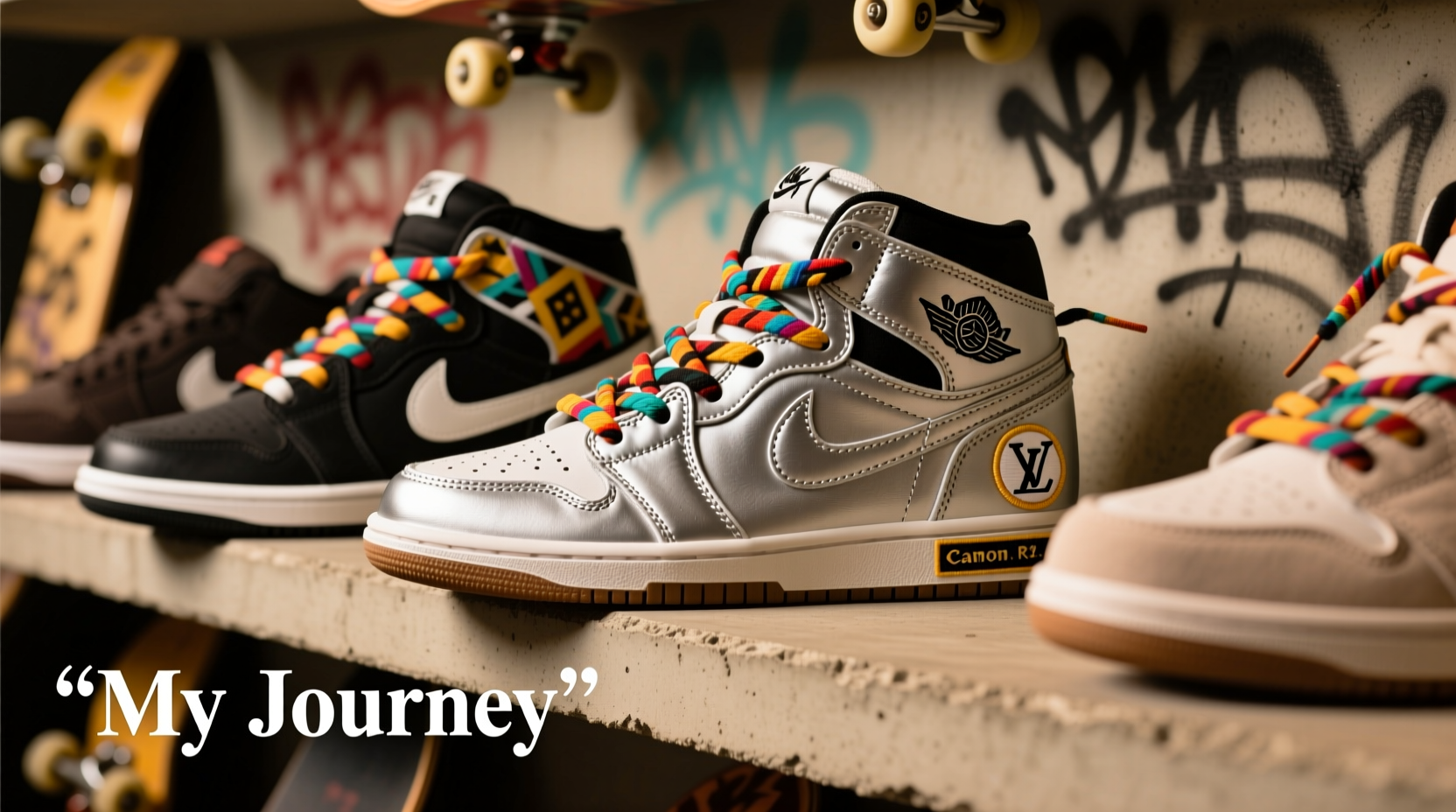
Mass-produced sneakers are designed for broad appeal, but individuality thrives in the details. Custom laces and patches let you reclaim ownership over your footwear. They turn generic silhouettes into personalized artifacts that reflect your identity, interests, or even memories.
Consider the psychology of color and texture: a neon green lace on an all-white sneaker injects energy and visibility, while a matte black waxed cord offers sleek sophistication. Patches can commemorate events, highlight fandoms, or showcase artistic talent. In urban fashion circles, customized laces have become subtle status symbols—proof that the wearer pays attention not just to trends, but to craftsmanship.
“Personalization transforms function into narrative. A sneaker stops being just a product and starts telling a story.” — Jordan Lee, Footwear Stylist & Creative Director at Sole Narrative Studio
Moreover, customization fosters deeper emotional attachment. When you invest time in tailoring your sneakers, they become less disposable. This mindset aligns with sustainable fashion—extending the life of existing pairs rather than constantly chasing new releases.
Choosing the Right Laces: Style, Fit, and Function
Laces are the most immediate way to alter a sneaker’s appearance. But not all laces are created equal. The key is selecting ones that match both your aesthetic goals and practical needs.
| Lace Type | Best For | Pros | Cons |
|---|---|---|---|
| Cotton Round | Casual wear, retro styles | Affordable, soft feel, wide color range | Frays easily, stretches over time |
| Waxed Flat | Dressier sneakers, minimalist designs | Holds shape, resists fraying, premium look | Less flexible, harder to tie tightly |
| Reflective | Nightwear, athletic use | Safety boost, futuristic appeal | Limited colors, may look too technical |
| Paracord | Outdoor or rugged styles | Durable, customizable (can be braided), survival-ready | Bulky, may not fit narrow eyelets |
| LED/Smart Laces | Futuristic or performance looks | Light-up effects, tech integration | Expensive, require charging, fragile |
Length matters as much as material. Measure your current laces or count the eyelet pairs on your sneakers. Standard lengths include:
- 36” – 4 pairs of eyelets (low-tops)
- 45” – 5–6 pairs
- 54” – 7–8 pairs (high-tops like Air Jordans)
- 63”+ – specialty boots or layered lacing
Creative Patch Ideas and Application Methods
Patches add narrative depth. Unlike laces, which modify form, patches convey message. They can be ironic, nostalgic, political, or purely decorative.
Popular patch themes include:
- Fandom logos (anime, video games, sports teams)
- Vintage brand reproductions (e.g., fake “vintage Nike” tags)
- Hand-embroidered initials or symbols
- Iron-on band patches repurposed for sneakers
- Custom PVC or woven labels with QR codes linking to your social media
There are three primary methods to attach patches:
- Sewing – Most durable. Use strong thread and a leather needle for canvas or synthetic uppers. Ideal for high-wear areas like heels or tongues.
- Iron-on adhesive – Quick but less reliable. Works best on cotton-blend fabrics. Always reinforce with fabric glue for longevity.
- Velcro-backed patches – Fully removable. Great for rotating designs or sharing sneakers among friends.
Placement is strategic. Common spots:
- Tongue – Highly visible when walking
- Heel tab – Subtle unless viewed from behind
- Lateral side panel – Large surface, ideal for statement pieces
- Overlay panels – Blend with existing branding for a “collab” illusion
“Some of my clients use patches to mark milestones—a concert, a marathon, a breakup. The sneaker becomes a timeline.” — Marisol Vega, Bespoke Footwear Artist
Step-by-Step: Creating a Themed Sneaker Transformation
Let’s walk through a real-world example of transforming a classic white sneaker using only laces and patches.
Goal: Create a “Tokyo Nights” theme—inspired by neon signs, street fashion, and cyberpunk aesthetics.
- Select base shoe: Choose a clean, minimal white sneaker (e.g., Adidas Stan Smith or Nike Court Legacy).
- Choose laces: Opt for 54” reflective silver flat laces. They mimic metallic signage and catch light dramatically at night.
- Design patches: Order two custom woven patches: one with a tiny Mount Fuji silhouette, another with Japanese katakana reading “夜” (night). Size: 1.5” x 1”.
- Apply patches: Sew the Mount Fuji patch onto the left heel tab, the “夜” patch on the right. Use black thread for contrast.
- Add secondary detail: Replace the standard tongue label with a removable Velcro patch showing a retro anime character.
- Test wear: Walk in them for a few hours. Adjust lace tightness and check patch security.
The result? A pair that stands out in low light, tells a cultural story, and remains fully wearable for daily use. No permanent alteration, no risk to resale value if reversed later.
Mini Case Study: From Office Worker to Streetwear Icon
Daniel, a 29-year-old accountant from Portland, owned seven nearly identical pairs of white leather sneakers. He loved their comfort but felt his rotation lacked identity. After attending a local sneaker meetup, he decided to experiment.
Using $20 worth of supplies—colored waxed laces, iron-on music patches, and a needle-thread kit—he customized each pair to represent a different mood:
- Monday Mode: Navy blue laces + patch reading “Ctrl+Alt+Del”
- Jazz Night: Burgundy ribbed laces + vinyl record patch
- Weekend Explorer: Camo paracord + embroidered compass patch
Within weeks, coworkers began commenting. Instagram DMs followed. Daniel started a micro-blog documenting each change. What began as a fun tweak evolved into a recognized personal brand. His advice? “Start small. One lace swap. One patch. See how it feels. The confidence builds faster than you think.”
Do’s and Don’ts of Sneaker Customization
| Do’s | Don’ts |
|---|---|
| Match lace thickness to eyelet size | Use overly thick laces that strain stitching |
| Wash patches before applying to avoid shrinkage | Iron patches directly onto delicate materials like mesh |
| Carry spare laces for quick changes | Glue patches over perforations or vents |
| Use fabric glue to secure knot ends inside the shoe | Leave long lace ends dragging on the ground |
| Rotate custom sets seasonally | Overload one shoe with too many patches |
FAQ: Common Questions About Custom Laces and Patches
Can I wash my sneakers with custom laces and patches?
Yes, but with precautions. Remove custom laces before washing. For sewn patches, hand-wash the sneaker gently and air dry. Iron-on patches may peel after machine washing, so spot-clean around them if possible.
Where can I order custom patches affordably?
Online platforms like Etsy, WovenMonkey, or NameTagsMall offer low minimums (even single patches) with fast turnaround. Woven patches last longer than printed ones, especially on textured surfaces.
Will changing laces void my sneaker warranty or affect resale?
No—lacing is considered user modification and doesn’t impact authenticity. In fact, rare or thematic laces can increase collector interest. However, permanent alterations like sewing large patches may reduce appeal for purists.
Checklist: Your Personalization Action Plan
- ☐ Audit your current sneaker collection—identify 2–3 candidates for customization
- ☐ Measure existing laces to determine correct replacements
- ☐ Define a theme or mood for each pair (e.g., work, weekend, travel)
- ☐ Source 2–3 types of laces (e.g., round, flat, reflective)
- ☐ Design or order 1–2 custom patches per shoe
- ☐ Gather tools: scissors, needle, fabric glue, seam ripper
- ☐ Apply first modification and test wear for comfort
- ☐ Document before/after photos for inspiration
- ☐ Rotate designs monthly to keep your style fresh
- ☐ Share your creations online to join the customization community
Conclusion: Make Your Mark, One Lace at a Time
Your sneaker collection doesn’t need rare drops or sky-high price tags to be remarkable. True distinction comes from thoughtful details—like a perfectly matched lace hue or a tiny patch that sparks conversation. Customization isn’t about perfection; it’s about presence. It’s choosing to say, “This is mine,” in a world of mass replication.
Start today. Pull out a pair you love but underuse. Swap the laces. Add a patch that means something to you. Wear them with pride. The smallest changes often leave the biggest impression—not because they’re flashy, but because they’re authentic.




 浙公网安备
33010002000092号
浙公网安备
33010002000092号 浙B2-20120091-4
Comments
No comments yet. Why don't you start the discussion?