
A cluttered or uninspiring workspace can quietly drain your focus, motivation, and efficiency. Yet, transforming your desk into a personalized, energizing environment doesn’t require a corporate redesign or expensive purchases. With thoughtful adjustments and resourceful creativity, you can craft a space that reflects your personality, supports your workflow, and enhances concentration—all while staying within a tight budget.
Personalization isn't about luxury; it's about intentionality. When your workspace feels like an extension of who you are, you're more likely to engage deeply with your tasks. The key lies in combining functionality with personal meaning, using accessible materials and smart strategies. Whether you're working from home, studying in a dorm, or navigating a shared office, these proven methods will help you build a productive atmosphere without financial strain.
1. Assess Your Current Space and Needs
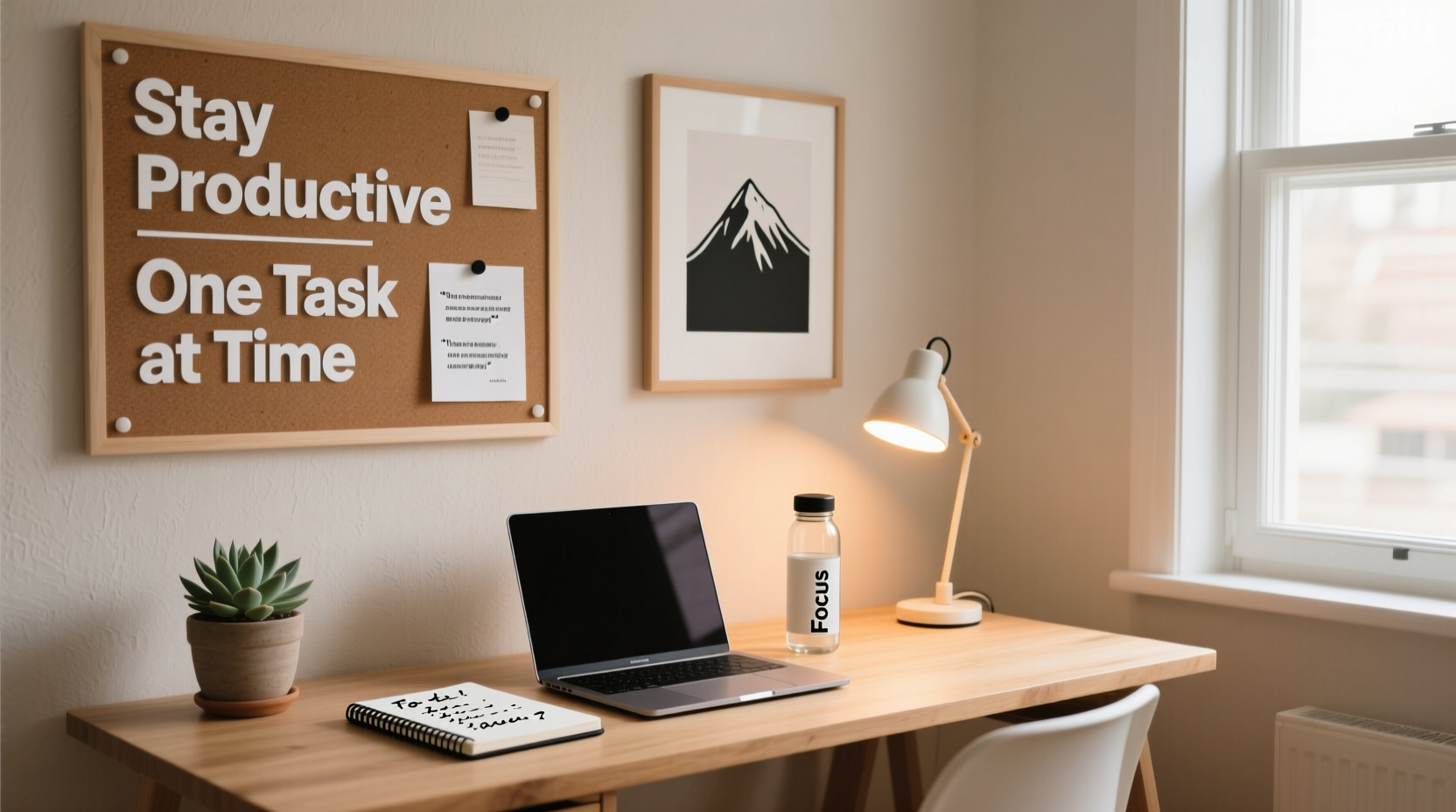
Before making any changes, take time to evaluate your current setup. Walk through your typical workday: Where do distractions arise? What tools do you use most? Are there recurring physical discomforts? This audit helps identify what’s missing and where small upgrades can make the biggest impact.
Start by listing three core needs:
- Ergonomics: Is your chair supportive? Is your screen at eye level?
- Organization: Are frequently used items easy to reach?
- Mood & Focus: Does the space feel calming or chaotic?
Once you understand your functional gaps, layer in emotional needs. Do you thrive in minimalist calm, or do you need visual stimulation to stay alert? Answering these questions ensures your personalization efforts serve both comfort and performance.
2. Optimize Layout and Ergonomics for Efficiency
Even the most beautifully decorated desk won’t boost productivity if it’s ergonomically flawed. Poor posture leads to fatigue, reduced concentration, and long-term health issues. Fortunately, many fixes cost nothing or very little.
Follow this low-cost ergonomic checklist:
- Adjust your chair height so feet rest flat on the floor (use a stack of books as a footrest if needed).
- Elevate your laptop with a sturdy box or old textbooks to bring the screen closer to eye level.
- Position your keyboard and mouse within easy reach to avoid shoulder strain.
- Ensure lighting comes from the side or behind your monitor to reduce glare.
If your chair lacks lumbar support, roll up a towel and secure it with rubber bands to create a DIY back cushion. These micro-adjustments may seem minor, but they significantly influence energy levels and mental clarity throughout the day.
3. Infuse Personality with Low-Cost Decor
Your workspace should reflect your identity—not just function as a task station. Personal touches signal to your brain that this is *your* zone, increasing ownership and engagement. The best part? You don’t need designer accessories to achieve this.
Consider repurposing everyday items:
- Frame postcards, concert tickets, or children’s drawings for instant wall art.
- Use mason jars or tin cans as pen holders—paint them or wrap with fabric scraps for flair.
- String twine across a wall and clip up photos, quotes, or sketches with mini clothespins.
Color psychology plays a subtle but powerful role. Blue promotes focus, green reduces stress, and yellow stimulates creativity. Introduce these tones through sticky notes, tape, or notebook covers instead of buying new furniture.
| Budget Decor Idea | Cost | Productivity Benefit |
|---|---|---|
| Framed motivational quote | $0–$5 (print + thrift frame) | Encourages persistence during challenging tasks |
| DIY cable organizer (toilet paper rolls) | $0 | Reduces visual clutter and distraction |
| Mini plant in recycled container | $2–$5 (cuttings or small succulent) | Improves air quality and mood |
| Customized mousepad (printed photo on foam board) | $3–$7 | Creates emotional connection to workspace |
4. Enhance Focus with Sensory Cues
Productivity isn’t just visual—it’s sensory. Smell, sound, and touch all influence cognitive performance. By curating these elements intentionally, you can condition your brain to enter “work mode” faster.
Scent: Studies show certain scents enhance alertness. A $5 essential oil diffuser with peppermint or rosemary can sharpen focus. Alternatively, place a sachet of dried lavender nearby to reduce anxiety during high-pressure tasks.
Sound: Background noise affects concentration differently for everyone. Some benefit from white noise or nature sounds; others prefer lyric-free instrumental music. Use free apps like Calm or Noisli to experiment with audio environments. If noise is unavoidable, invest in affordable foam earplugs ($1–$3 per pair).
Texture: Incorporate tactile variety. A soft fabric mousepad, a smooth stone paperweight, or a textured journal cover can ground your attention during mentally taxing work.
“Environmental cues shape behavior more than we realize. A well-personalized workspace acts as a psychological trigger for deep work.” — Dr. Lena Torres, Cognitive Psychologist
5. Build a Digital Workspace That Complements the Physical
Personalization extends beyond the desk—it includes your digital environment. A chaotic desktop or distracting browser tabs undermine even the most serene physical setup.
Apply the same principles of simplicity and intentionality:
- Change your desktop wallpaper to a calming image or a goal visualization (e.g., a vision board collage).
- Create clearly labeled folders for projects instead of leaving files scattered.
- Use free browser extensions like StayFocusd or LeechBlock to limit time on distracting sites.
- Organize bookmarks into folders named after workflows (e.g., “Research,” “Admin,” “Inspiration”).
Sync your physical and digital aesthetics. If your desk has a forest theme, use nature-inspired icons or folder colors. Consistency reinforces mental associations with focus and calm.
Real Example: Maria’s Home Office Transformation
Maria, a freelance writer in Chicago, worked from her kitchen table for months, struggling with inconsistency and burnout. Her turning point came when she dedicated one corner of the living room to work—using a folding table and an old IKEA chair.
She spent under $20: printed inspirational quotes from free design sites, framed them in thrifted frames, and added a dollar-store succulent. She painted a small wooden box to store notebooks and cables. At night, she folds the table away.
Within two weeks, Maria reported a 40% increase in daily word output. “It’s not fancy,” she said, “but seeing my little ‘writing nook’ makes me want to sit down and create.”
Step-by-Step Guide: 7-Day Workspace Upgrade Plan
You don’t need a weekend renovation to see results. Follow this realistic, incremental plan to transform your space over one week:
- Day 1: Clear all surfaces. Wipe down desk, remove unnecessary items, and sort papers into “Keep,” “File,” “Trash.”
- Day 2: Adjust chair, screen height, and lighting. Test for comfort and make micro-corrections.
- Day 3: Add one personal item—a photo, a quote, or a small plant.
- Day 4: Organize cables using twist ties or toilet paper rolls. Label cords if needed.
- Day 5: Customize your digital workspace—update wallpaper, organize desktop, install a focus app.
- Day 6: Introduce a sensory element—light a candle, play focus music, or add a textured mat.
- Day 7: Step back and assess. Note what feels better and what still causes friction. Adjust accordingly.
This gradual approach prevents overwhelm and allows habits to form alongside environmental changes.
Common Mistakes to Avoid
Even with good intentions, some personalization attempts backfire. Watch out for these pitfalls:
- Over-decorating: Too many objects create visual noise, which competes for attention.
- Ignoring functionality: Aesthetic appeal shouldn’t override usability. Keep frequently used tools accessible.
- Using sentimental clutter: Old gifts or memorabilia can weigh down a space emotionally if they don’t inspire action.
- Forgetting maintenance: Personalized spaces still need regular tidying. Schedule 5-minute resets at the end of each work session.
FAQ
Can I personalize a shared or temporary workspace?
Absolutely. Use removable solutions like washi tape, magnetic boards, or portable trays. Store personal items in a tote that you can take with you. Focus on digital personalization and portable sensory tools (e.g., a travel-sized diffuser or noise-canceling headphones).
How do I stay motivated to maintain the space?
Tie maintenance to existing habits. For example, clean your desk right after closing your laptop each day. Track improvements in focus or mood in a journal to reinforce the value of upkeep.
Are plants really worth it on a budget?
Yes. Even a single low-maintenance plant like a pothos or snake plant improves air quality and reduces stress. Start with a cutting from a friend’s plant—many grow roots in water with no cost involved.
Final Checklist: Budget-Friendly Workspace Upgrades
Use this checklist to ensure you’ve covered all bases:
- ✅ Desk surface cleared and cleaned
- ✅ Chair adjusted for proper posture
- ✅ Screen at eye level (using books or boxes if needed)
- ✅ One personal item added (photo, quote, art)
- ✅ Cables managed and secured
- ✅ Lighting optimized (natural or warm-toned bulb)
- ✅ Digital desktop organized and visually aligned
- ✅ Sensory element introduced (sound, scent, texture)
- ✅ Small plant or natural element present (optional but recommended)
- ✅ 5-minute daily reset scheduled
Conclusion
Your workspace doesn’t need to be expensive to be effective. The most productive environments are those that align with your personality, support your physical needs, and minimize distractions—all achievable on a minimal budget. By thoughtfully integrating personal meaning with functional design, you create a space that doesn’t just host your work, but actively fuels it.
Start small. Choose one change from this guide and implement it today. Notice how it affects your mood and output. Then build from there. Over time, these micro-upgrades compound into a powerful advantage: a workspace that feels uniquely yours and works tirelessly for you.




 浙公网安备
33010002000092号
浙公网安备
33010002000092号 浙B2-20120091-4
Comments
No comments yet. Why don't you start the discussion?