
A workspace is more than just a desk and a chair. It’s where ideas take shape, tasks are completed, and focus is cultivated. When designed thoughtfully, it becomes an extension of your personality and workflow—supporting both efficiency and emotional well-being. Personalizing your workspace isn’t about clutter or decoration for decoration’s sake; it’s about integrating functional aesthetic touches that reflect who you are while enhancing what you do.
The most effective workspaces strike a balance between form and function. A beautiful space that lacks organization leads to distraction. An ultra-efficient setup devoid of character can feel sterile and uninspiring. The goal is synergy: elements that look good *and* serve a purpose. Whether you're working from home, in a corporate cubicle, or managing a hybrid schedule, these strategies will help you create a personalized environment that supports long-term engagement and performance.
Why Functional Aesthetics Matter
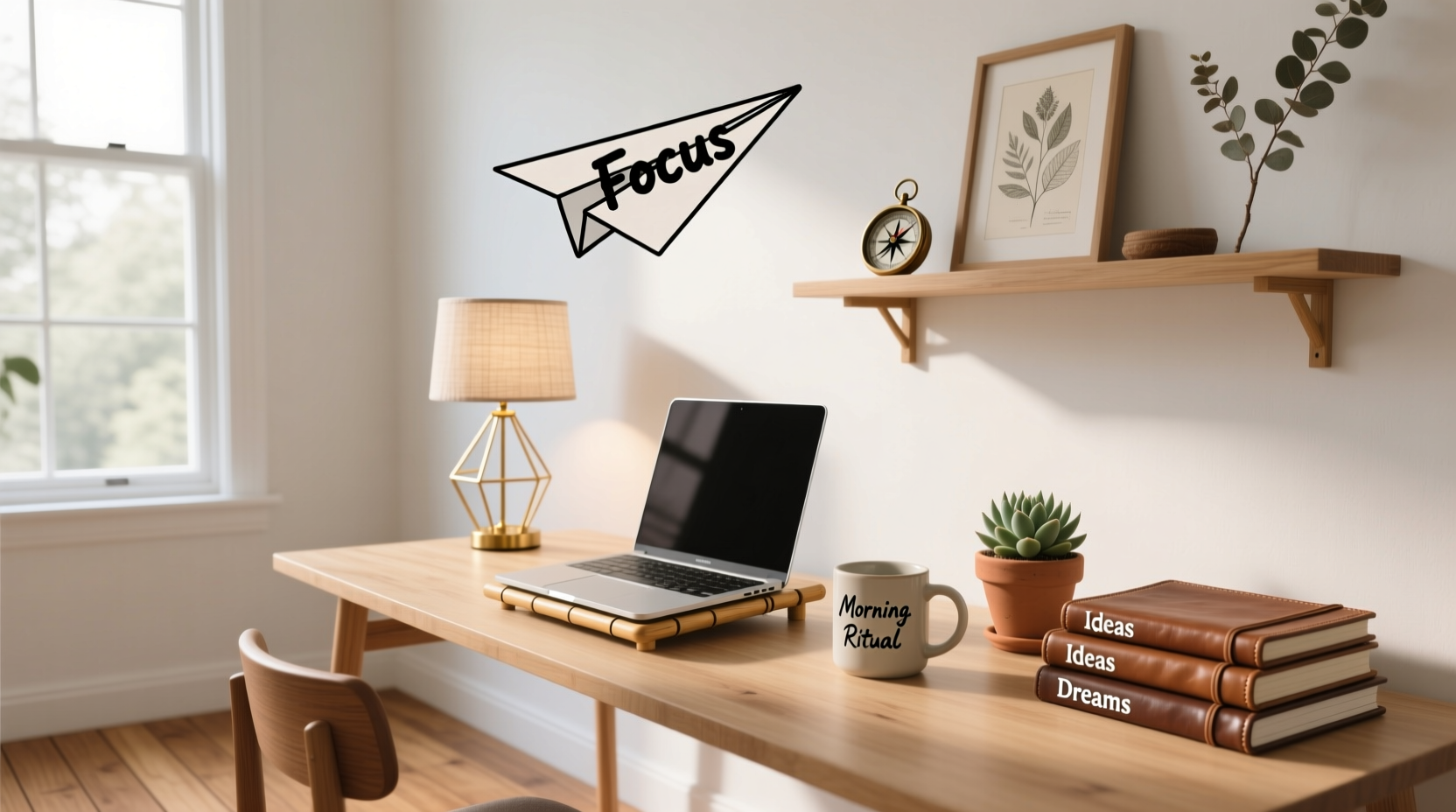
Functional aesthetics refer to design choices that are both visually pleasing and practically useful. In the context of a workspace, this means every object has a role—not only in supporting your daily tasks but also in contributing to a sense of calm, motivation, or inspiration.
Research in environmental psychology shows that personalization increases job satisfaction and perceived control over one's environment. A study published in the *Journal of Environmental Psychology* found that employees who had control over their workspace design reported higher levels of productivity and lower stress. However, the benefits diminish when personalization leads to disorganization. That’s why functionality must anchor every aesthetic decision.
For example, a framed photo of a loved one isn’t just sentimental—it can act as an emotional anchor during stressful moments. A stylish cable organizer does more than tidy up cords; it reduces visual noise, which cognitive science links to improved concentration. When aesthetics serve utility, they elevate the entire experience of working.
Create Zones with Purpose and Personality
One of the most effective ways to personalize a workspace is through zoning—dividing the area into distinct functional areas. This approach brings structure while allowing room for individual expression within each zone.
Consider dividing your space into three core zones:
- Focused Work Zone: Includes your desk, monitor, keyboard, notebook, and essential tools. Keep this area minimal and efficient. Personalization here should be subtle—perhaps a sleek desk mat in your favorite color or a minimalist lamp with warm lighting.
- Creative Inspiration Zone: A nearby shelf, pinboard, or wall space dedicated to mood boards, sketches, quotes, or small art pieces. This zone fuels imagination and should reflect your creative identity.
- Comfort & Recharge Zone: A secondary spot with a comfortable chair, a plant, reading material, or tea supplies. Ideal for breaks, calls, or brainstorming sessions away from the main desk.
Zoning prevents clutter from spilling into high-focus areas while giving personality room to breathe elsewhere. It also makes maintenance easier—you know exactly where things belong.
Real Example: Maya’s Home Office Transformation
Maya, a freelance graphic designer, used to work at her kitchen table surrounded by household distractions. After setting up a dedicated workspace in a corner of her living room, she implemented zoning. She placed her laptop and tablet on a floating desk (focused zone), installed a corkboard above it filled with client feedback and inspirational designs (inspiration zone), and added a floor cushion with a side table for sketching during downtime (comfort zone).
The change wasn’t just physical—it shifted her mindset. “I don’t just ‘work’ now,” she says. “I enter a space that feels like mine. I’m more consistent, and I actually look forward to starting the day.”
Select Furniture and Tools That Reflect You
Your choice of furniture and equipment doesn’t have to be neutral to be professional. In fact, selecting items that align with your taste enhances ownership and comfort.
Start with the foundation: your desk and chair. These should prioritize ergonomics first—but that doesn’t mean sacrificing style. Desks come in wood finishes, matte colors, and even convertible standing models with clean lines. Choose one that matches your interior aesthetic—Scandinavian, industrial, mid-century modern, etc.—so it feels integrated into your life, not imposed upon it.
Similarly, office chairs range from classic black task models to colorful ergonomic designs. Some brands offer customizable upholstery, letting you pick fabrics that resonate with your personal palette.
Peripherals like keyboards, mice, and monitors also offer opportunities for expression. Mechanical keyboards with soft pastel keys or warm wooden cases combine tactile satisfaction with visual appeal. Monitors with thin bezels and adjustable stands maintain a sleek profile while supporting flexibility.
| Item | Functional Benefit | Aesthetic Opportunity |
|---|---|---|
| Desk Lamp | Reduces eye strain with adjustable brightness | Choose sculptural shapes, brass finishes, or colored glass shades |
| Cable Organizer | Prevents tangles and improves safety | Use woven sleeves in earth tones or magnetic clips with modern design |
| Notebook or Planner | Tracks tasks and deadlines | Select covers with artwork, embossing, or custom leather |
| Monitor Stand | Elevates screen to eye level, improving posture | Opt for natural wood, marble-effect resin, or minimalist metal |
Incorporate Nature and Sensory Elements
Natural elements are among the most powerful tools for personalization because they engage multiple senses and have proven psychological benefits. Biophilic design—the practice of connecting people with nature in built environments—has been shown to reduce stress, enhance creativity, and improve well-being.
Plants are the most accessible entry point. Low-maintenance options like snake plants, pothos, or ZZ plants thrive in indoor light and require minimal care. Even a small succulent in a handmade ceramic pot adds warmth and life to a desk.
Beyond greenery, consider sensory details:
- Scent: Use a reed diffuser with essential oils like lavender (calming) or citrus (energizing). Avoid strong fragrances that may distract or trigger sensitivities.
- Sound: Background noise matters. A small white noise machine or a Bluetooth speaker set to ambient playlists (rainfall, café sounds) can deepen focus.
- Texture: Introduce softness through a wool desk pad, linen mousepad, or a knit cable sleeve. Tactile variety combats the sterility of plastic and metal.
“The integration of natural materials and sensory cues transforms a workspace from transactional to experiential. People don’t just work better—they feel better.” — Dr. Lena Torres, Environmental Psychologist
Step-by-Step Guide: Build Your Personalized Workspace in One Weekend
You don’t need a full redesign to make meaningful changes. Follow this timeline to refresh your space efficiently.
- Friday Evening – Assess & Plan (30 min)
Walk through your current setup. Note pain points: poor lighting, tangled wires, lack of storage, visual fatigue. Jot down three goals (e.g., “reduce clutter,” “add warmth,” “improve posture”). - Saturday Morning – Declutter (1 hour)
Remove everything non-essential from your desk. Wipe surfaces clean. Sort items into categories: keep, relocate, donate. Only return what you use weekly. - Saturday Afternoon – Shop Smart (1–2 hours)
Purchase 2–3 functional aesthetic upgrades based on your goals. Examples: a wooden monitor stand, a compact plant, a cord box. Stick to a budget to avoid impulse buys. - Sunday Morning – Install & Arrange (1 hour)
Set up new items according to your zoning plan. Position cables neatly. Place personal items intentionally—not randomly. Step back and assess flow and visibility. - Sunday Evening – Test & Refine (15 min)
Sit at your desk and simulate a work session. Adjust lighting, chair height, or object placement as needed. Make notes for future tweaks.
Checklist: Functional Aesthetic Upgrades to Consider
Use this checklist to guide your personalization process:
- ✅ Replace generic desk accessories with cohesive, styled versions (pen holder, notebook, stapler)
- ✅ Add task lighting with adjustable color temperature
- ✅ Integrate at least one living plant or dried botanical element
- ✅ Use drawer organizers to hide clutter while maintaining access
- ✅ Display one piece of meaningful art or photography within eye line
- ✅ Choose a background (wallpaper, fabric panel) that complements your screen without distracting
- ✅ Incorporate texture via rugs, cushions, or desk mats
- ✅ Label cords or use color-coded tags for easy identification
- ✅ Include a small ritual object—a candle, crystal, or token—for mental resets
- ✅ Ensure all digital devices are updated and organized for seamless use
Frequently Asked Questions
Can I personalize a shared or corporate workspace?
Absolutely. Even in restricted environments, small changes make a difference. Use a personal desk mat, a photo in a slim frame, a portable lamp, or a discreet plant. Focus on movable, non-permanent items that reflect your style without violating policy.
How do I avoid making my workspace too cluttered?
Apply the “one in, one out” rule: for every new personal item added, remove another. Prioritize multi-functional pieces—like a clock that also displays temperature or a notebook with built-in pen loop. Regularly edit your space, especially after project completions.
Is it worth investing in expensive aesthetic items?
Only if they solve a problem. A $120 wooden keyboard tray is worthwhile if it improves wrist alignment and lasts a decade. A $200 sculpture that does nothing functional likely isn’t. Spend on durability, comfort, and usability first—then let beauty follow.
Final Thoughts: Design With Intention
Personalizing your workspace isn’t about following trends or filling every surface with decor. It’s about designing with intention—choosing elements that reflect your identity while supporting your daily rhythms. The most inspiring spaces grow over time, shaped by use, reflection, and evolving needs.
When your environment feels like an authentic part of your life, work becomes less of a chore and more of a practice. You’ll notice yourself pausing to admire the way light hits your desk in the afternoon, reaching instinctively for your favorite mug during deep work, or smiling at a quote that keeps you grounded.
Start small. Pick one functional aesthetic change you can make today. Then build from there. Your workspace should not only help you get things done—it should remind you why you’re doing them.




 浙公网安备
33010002000092号
浙公网安备
33010002000092号 浙B2-20120091-4
Comments
No comments yet. Why don't you start the discussion?