
Selecting the right shoulder bag isn’t just about style—it’s about function, comfort, and long-term usability. Too small, and you can’t carry what you need. Too large, and the bag becomes a burden, both physically and aesthetically. The sweet spot lies in choosing a size that accommodates your phone, wallet, keys, and a few extras—without adding unnecessary weight or bulk. Understanding your daily needs and how they align with bag dimensions is key to making a smart, lasting choice.
Understand Your Daily Essentials
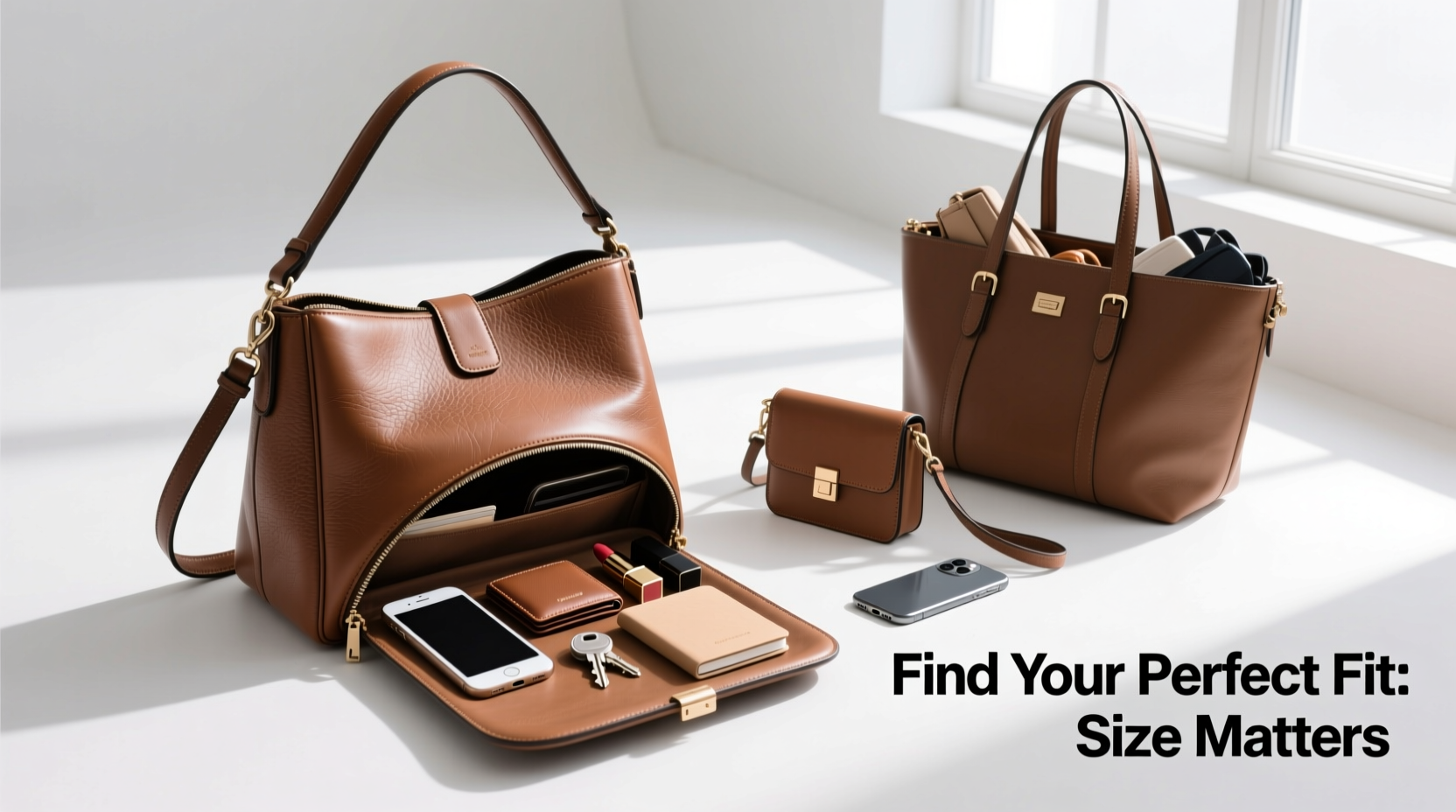
Before evaluating bag sizes, take inventory of what you actually carry every day. This list varies by person: some may only need a phone, cardholder, and lip balm; others might include sunglasses, a compact umbrella, or a small notebook. Start by laying out everything you typically bring with you on an average weekday.
- Smartphone (note the model—larger phones require more space)
- Wallet or cardholder
- Keys
- Hand sanitizer or mini skincare items
- Earbuds or charging cable
- Sunglasses (with case, if used)
- Notepad or planner (if applicable)
A common mistake is buying a bag based on occasional needs—like carrying a laptop once a week—rather than everyday use. Prioritize daily items over rare ones. If you occasionally need extra space, consider using a tote or backpack for those days instead.
Key Dimensions: Width, Height, and Depth
Shoulder bag size isn’t just about volume—it’s about proportions. A tall, narrow bag might technically fit your phone, but if it’s too deep, retrieving items becomes frustrating. Use these general guidelines to assess fit:
| Item | Average Dimensions (inches) | Recommended Compartment Size |
|---|---|---|
| Standard Smartphone (e.g., iPhone 15) | 5.8 x 2.8 x 0.3 | At least 6.5” height, 3.5” width |
| Bifold Wallet | 4.5 x 3.5 x 0.5 | 5” x 4” slot or pocket |
| Keys + Keychain | 3–4 inches total length | Dedicated internal hook or shallow pocket |
| Sunglasses Case | 6 x 3 x 1.5 | Main compartment depth ≥ 2” |
The main compartment should allow vertical access to your phone with room to spare. Look for interior pockets that align with your most-used items. A slim front pocket for quick-access items like transit cards or earbuds adds convenience without increasing external size.
Choosing Capacity Based on Lifestyle
Your routine dictates the ideal bag capacity. Here’s how different lifestyles translate into practical size choices:
- Minimalist Commuter: Carries only phone, wallet, keys, and earbuds. Ideal bag volume: 5–8 liters. Look for crossbody styles with structured shapes that sit close to the body.
- Urban Professional: Adds sunglasses, hand cream, and a small notebook. Volume range: 8–12 liters. A flap-style shoulder bag with multiple compartments works best.
- Active Traveler or Parent: May carry snacks, wipes, a water bottle, or a compact umbrella. Volume: 12–16 liters. Opt for adjustable straps and water-resistant materials, but avoid exceeding 14” in height to maintain balance.
“Functionality starts with proportion. A well-sized bag doesn’t just hold your items—it organizes them so you’re not digging endlessly.” — Lena Torres, Accessory Designer at Urban Carry Co.
Real Example: Sarah’s Workday Bag Struggle
Sarah, a graphic designer in Chicago, used a large leather shoulder bag she bought for travel. While stylish, it weighed heavily on her shoulder during her commute and often slipped off when crowded. She carried only her phone, wallet, AirPods, and lipstick—items that could easily fit in a much smaller bag. After switching to a compact 7-liter nylon crossbody with padded phone slots, she reported less neck strain and quicker access to essentials. Her old bag now serves as a weekend tote, reserved for days she needs extra space.
Step-by-Step Guide to Testing Bag Fit
Follow this process when trying on shoulder bags in-store or evaluating online options:
- Gather your core items: Bring your actual phone, wallet, and one additional essential (like keys or sanitizer).
- Assess entry type: Zippers offer security; magnetic flaps are faster. Choose based on how often you access your items.
- Check phone fit: Place your phone upright in the main compartment. It should stand without tight squeezing or excessive wobble.
- Wear and move: Put the bag on and walk around. Does the strap dig? Does the bag bounce? Adjust the strap to hip level—it should rest between your ribcage and hip bone.
- Reach test: Try pulling out your phone from both standing and seated positions. If it requires two hands or full opening, the bag is likely too deep or narrow.
- Evaluate balance: A well-fitted bag distributes weight evenly. If it tilts forward or swings sideways, the shape or strap placement may be flawed.
Common Sizing Mistakes to Avoid
- Choosing based on aesthetics alone: A trendy oversized bag may look great in photos but cause posture issues over time.
- Ignoring strap ergonomics: Thin straps concentrate pressure. Wider, padded straps reduce shoulder fatigue, especially in heavier loads.
- Overlooking interior layout: A spacious bag without organization leads to clutter. Pockets should match your item sizes—not force you to dig.
- Forgetting material impact: Stiff leather holds shape but may resist fitting irregular items. Soft canvas stretches but offers less structure.
Do’s and Don’ts at a Glance
| Do | Don’t |
|---|---|
| Measure your phone and wallet before shopping | Assume all “medium” bags are the same size |
| Test the bag with real items | Rely solely on product photos or descriptions |
| Choose a bag that sits snug against your body | Pick one that swings widely when walking |
| Opt for lightweight materials if carrying daily | Select heavy hardware or thick linings unnecessarily |
Frequently Asked Questions
What size shoulder bag fits an iPhone 15 Pro Max?
The iPhone 15 Pro Max measures approximately 6.3 x 3.0 inches. Look for a main compartment with at least 7” height and 3.5” width. Avoid ultra-slim bags marketed for mini phones—they often lack depth for modern devices.
Can a small shoulder bag still be practical for daily use?
Yes, if you’ve minimized your essentials. A 6–8 liter bag with smart interior design (like a zippered phone sleeve and RFID-safe card slots) can be highly functional. The key is curating what you carry, not maximizing capacity.
How do I know if a bag is too big for my frame?
If the bag extends beyond your shoulders or rests below your hip line, it’s likely too large. Proportion matters: a petite person may find even a 10-liter bag overwhelming, while someone taller might handle it comfortably. Always wear and walk with the bag before deciding.
Final Thoughts: Prioritize Fit Over Fashion
The ideal shoulder bag blends form and function. It should carry your phone and essentials securely, sit comfortably on your shoulder, and reflect your lifestyle—not someone else’s Instagram aesthetic. Take the time to measure, test, and evaluate based on real-world use. A well-chosen bag reduces physical strain, saves time, and enhances your daily rhythm.




 浙公网安备
33010002000092号
浙公网安备
33010002000092号 浙B2-20120091-4
Comments
No comments yet. Why don't you start the discussion?