
Selecting a backpack that performs equally well during your morning commute and a weekend trek across Europe isn’t just about style—it’s about smart engineering, thoughtful design, and understanding your real-world needs. The ideal hybrid backpack balances durability, comfort, storage flexibility, and aesthetic appeal. With so many options flooding the market, from minimalist urban satchels to rugged expedition packs, making the right choice requires more than browsing online reviews. It demands a clear framework for evaluating function without sacrificing form.
A truly versatile backpack should adapt seamlessly to different environments: it must protect your laptop during a rainy bike ride, offer quick access to essentials at airport security, and carry enough gear for an overnight trip. Whether you're a digital nomad, a student balancing class and part-time work, or a professional who travels frequently, investing in the right backpack can significantly reduce daily friction. Below is a comprehensive guide to help you make a confident, informed decision.
Assess Your Primary Use Cases
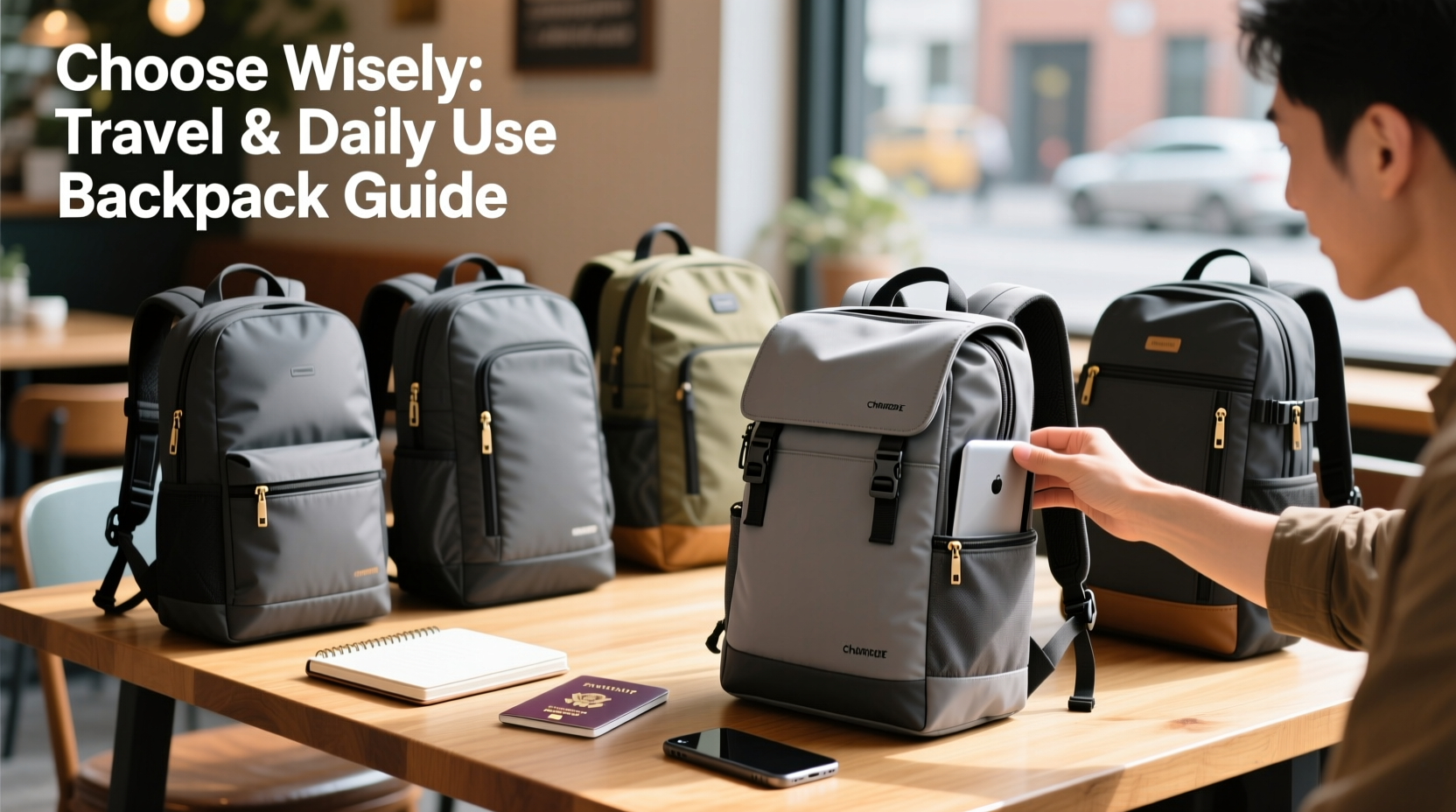
Before examining materials or zippers, define how you’ll use the backpack. Most people fall into one of three categories:
- Daily commuter: Needs laptop protection, easy access to transit cards, and weather resistance.
- Light traveler: Requires expandable capacity, TSA-friendly laptop compartment, and durability for varied climates.
- Hybrid user: Balances both worlds—carries work essentials five days a week and doubles as a carry-on for short trips.
If you identify as a hybrid user, prioritize features that serve both functions. For example, a padded 15-inch laptop sleeve is essential for daily use, while compression straps and external attachment points become valuable during travel.
Key Features to Evaluate
Not all backpacks are built to handle dual roles. Look for these seven non-negotiable elements when shopping:
- Ergonomic Design: Padded shoulder straps, a breathable back panel, and an adjustable sternum strap prevent strain during extended wear.
- Laptop & Tech Protection: A dedicated, cushioned compartment with clamshell opening allows flat access—ideal for airport screenings.
- Weather Resistance: Materials like recycled polyester with DWR (durable water repellent) coating or waxed canvas resist light rain and spills.
- Organization: Multiple internal pockets, pen holders, and key leashes keep small items from getting lost.
- Security Features: Lockable zippers, RFID-blocking pockets, and hidden anti-theft compartments add peace of mind abroad.
- Expandability: Zippers that allow the main compartment to expand by 2–5 liters provide crucial flexibility for return trips.
- Carry-On Compatibility: Dimensions under 22 x 14 x 9 inches meet most airline restrictions for overhead bins.
Backpacks that excel in both domains often include subtle but critical details—like side-access water bottle pockets that don’t compromise laptop safety, or tuck-away shoulder straps that transform the pack into a briefcase-style tote.
Material and Build Quality Comparison
The longevity of your backpack hinges largely on its construction. Below is a comparison of common materials used in high-performance hybrid packs:
| Material | Durability | Weight | Water Resistance | Best For |
|---|---|---|---|---|
| Recycled 1680D Ballistic Nylon | ★★★★★ | Moderate | High (with coating) | Frequent travelers, rough commutes |
| Cordura® Fabric | ★★★★☆ | Light to moderate | High | All-purpose urban and outdoor use |
| Polyester (600D–1200D) | ★★★☆☆ | Light | Moderate | Daily commuters on a budget |
| Waxed Canvas | ★★★★☆ | Heavy | Natural over time | Style-focused users, moderate climates |
| Leather Trim + Synthetic Body | ★★★☆☆ | Moderate | Low (unless treated) | Business-casual professionals |
Stitching quality matters as much as fabric. Double-stitched seams, bartack reinforcements at stress points (like strap anchors), and YKK zippers are hallmarks of a durable build. Avoid packs with thin webbing or plastic hardware—these degrade quickly under regular load.
“Look beyond aesthetics. A backpack that feels sturdy after six months of daily use is worth twice its price.” — Jordan Lee, Product Designer at Nomad Gear Labs
Step-by-Step Guide to Choosing Your Ideal Backpack
Follow this five-step process to narrow down your options efficiently:
- Measure your torso length. Stand straight, measure from the base of your neck (C7 vertebra) to the top of your hip bones. Choose a backpack with an adjustable harness system that matches this range (typically 16–19 inches for average adults).
- List your essential items. Include laptop, charger, water bottle, jacket, wallet, and any specialty gear. This defines minimum volume needs—usually 20–30 liters for hybrid use.
- Test fit in person if possible. Load the backpack with weights (or actual gear) and walk around for 10 minutes. Check for pressure points, slippage, or awkward balance.
- Evaluate access patterns. Does the main compartment open wide? Can you reach your phone without removing the pack? Is the laptop sleeve accessible from the outside?
- Research warranty and repair policies. Brands like Osprey, Peak Design, and Tortuga offer lifetime guarantees or affordable repair services, extending your pack’s lifespan.
This methodical approach prevents impulse buys based on color or branding alone. Instead, it prioritizes long-term usability and physical compatibility with your body and lifestyle.
Real-World Example: Sarah’s Transition to a Dual-Purpose Pack
Sarah, a UX designer based in Portland, used to carry a sleek leather tote to work and a separate 40-liter hiking backpack for trips. She often complained about back pain and the hassle of switching bags. After researching hybrid options, she invested in a 25-liter backpack made from recycled ballistic nylon with a ventilated back panel and modular interior.
Within weeks, she noticed improvements: no more sweating during her bike commute, easier navigation through airport security, and the ability to toss in extra clothes for spontaneous weekend getaways. The same bag now serves her four-day workweek and bi-monthly client visits. “I saved money, reduced clutter, and actually enjoy carrying my things,” she said. “It’s one less decision I have to make every morning.”
Sarah’s experience underscores a broader truth: the right backpack doesn’t just hold your belongings—it streamlines your routine.
Do’s and Don’ts When Selecting a Hybrid Backpack
| Do’s | Don’ts |
|---|---|
| Choose adjustable straps for customized fit | Ignore weight distribution—top-heavy packs cause posture issues |
| Opt for a clamshell-opening main compartment | Buy oversized packs “just in case”—they encourage overpacking |
| Prioritize padded tech sleeves with soft linings | Use abrasive cleaners that degrade water-resistant coatings |
| Check airline carry-on size limits before purchasing | Overlook zipper quality—cheap sliders break under tension |
| Consider packs with luggage pass-through sleeves | Select purely based on influencer endorsements |
Frequently Asked Questions
Can one backpack really work for both office and travel?
Yes—provided it meets specific criteria: adequate laptop protection, intelligent organization, carry-on compliance, and durable materials. Modern hybrid designs from brands like Aer, Nomatic, and Bellroy prove that versatility doesn’t mean compromise.
How much should I spend on a quality dual-use backpack?
Expect to invest between $150 and $300 for a well-built, long-lasting model. Cheaper packs may save money upfront but often lack ergonomic support and durable components, leading to replacement within a year or two.
Are anti-theft features worth it for daily use?
Even in low-crime areas, lockable zippers and slash-resistant straps offer psychological comfort and real protection against opportunistic theft—especially on public transit or crowded streets. These features add minimal weight and are particularly valuable for travelers.
Final Checklist Before You Buy
- ✅ Torso-length compatible with adjustable harness
- ✅ Dedicated, padded laptop compartment (fits your device size)
- ✅ Weather-resistant material with reinforced stitching
- ✅ At least 20 liters capacity, ideally with expansion option
- ✅ Meets standard carry-on dimensions (under 22 x 14 x 9 in)
- ✅ Ventilated back panel and padded shoulder straps
- ✅ Secure, organized interior with multiple access points
- ✅ Manufacturer offers warranty or repair program
- ✅ Tested with your actual daily load (laptop, accessories, etc.)
- ✅ Feels balanced when fully loaded—not top-heavy or sway-prone
Conclusion: Make One Smart Investment
Your backpack is more than an accessory—it’s a daily companion that impacts your posture, productivity, and peace of mind. By choosing a single, thoughtfully engineered bag that bridges the gap between urban life and adventure, you eliminate clutter, reduce decision fatigue, and invest in long-term comfort. Don’t settle for a jack-of-all-trades that masters none. Seek out designs that respect both your body and your lifestyle, with proven performance across environments.
The perfect backpack won’t shout for attention, but it will quietly improve your days—one comfortable stride at a time. Take the time to evaluate your needs, test your options, and choose wisely. Once you find it, you might never need another.




 浙公网安备
33010002000092号
浙公网安备
33010002000092号 浙B2-20120091-4
Comments
No comments yet. Why don't you start the discussion?