
Nothing completes a day at the beach like music drifting over the waves—sun, sand, surf, and a solid beat. But not every Bluetooth speaker can survive saltwater splashes, hot sun, or sandy conditions. Choosing the right waterproof Bluetooth speaker means balancing durability, audio performance, battery life, and portability. With so many models flooding the market, it’s easy to get overwhelmed. This guide cuts through the noise with practical insights to help you find a speaker that performs reliably in real beach environments.
Understanding Waterproof Ratings: IPX7 vs. IP67 and What They Mean
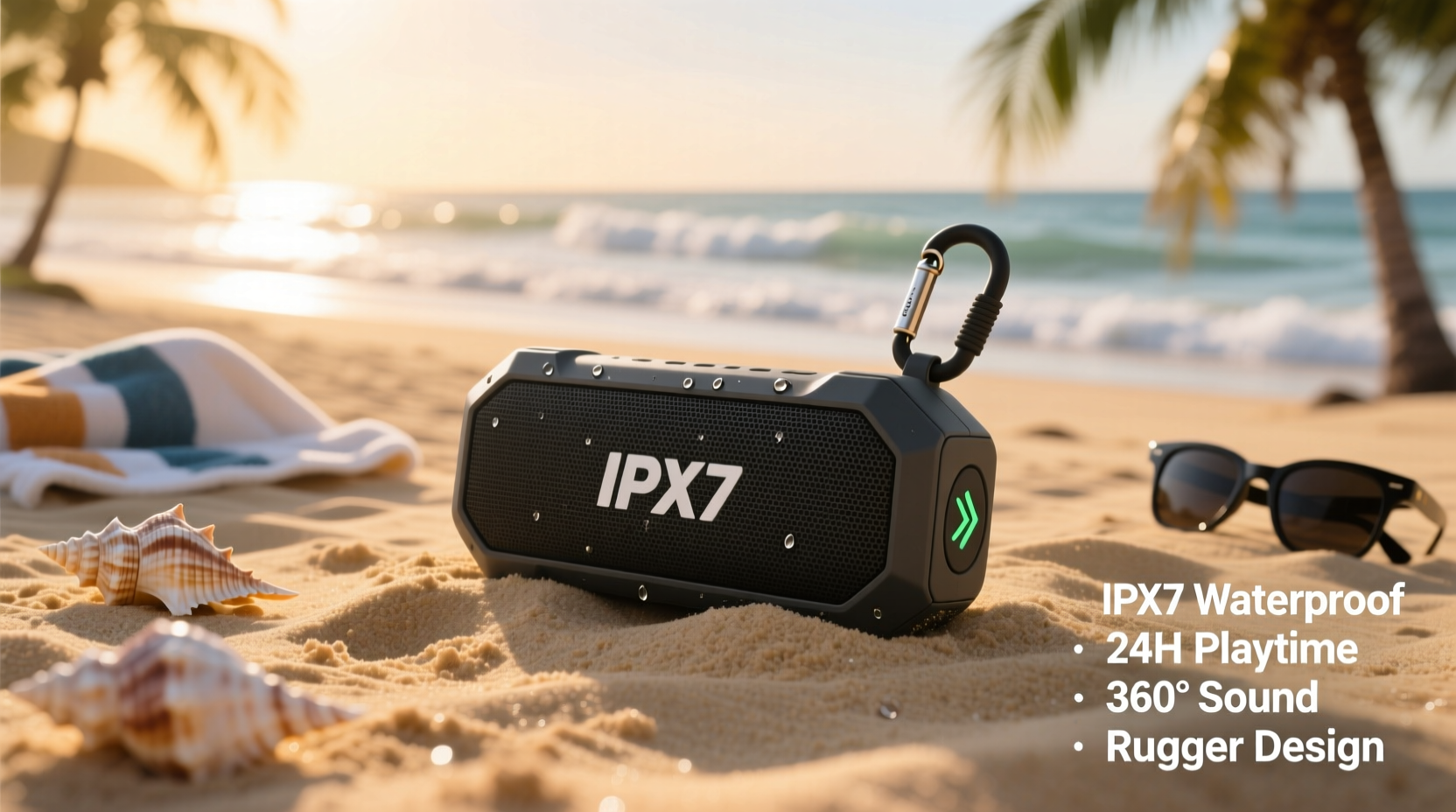
Not all “water-resistant” speakers are created equal. The key to understanding a speaker’s true resilience lies in its Ingress Protection (IP) rating. These ratings follow an international standard that measures protection against solids (like dust) and liquids (like water).
The first digit indicates dust resistance (0–6), while the second refers to water resistance (0–9). For beach use, aim for at least IPX7 or IP67:
- IPX7: Can survive immersion in 1 meter of fresh water for up to 30 minutes. Ideal for accidental drops in pools or ocean surf.
- IP67: Fully dustproof and offers the same water resistance as IPX7. Better for sandy environments where grit can damage internal components.
Avoid speakers labeled only as “splash-proof” or “water-resistant” without a certified IP rating. These claims are often marketing fluff with no standardized testing behind them.
Sound Quality That Cuts Through the Wind and Waves
Beach environments are acoustically challenging. Open spaces, wind, and ambient noise from waves and crowds can drown out weak audio. A good beach speaker needs more than volume—it needs clarity, balanced frequency response, and directional control.
Look for speakers with at least 10 watts of output and dual drivers (separate tweeters and woofers). Passive radiators enhance bass without distortion, which is crucial when playing music outdoors.
Some high-end models use beamforming or stereo pairing to project sound more effectively across wide areas. If you're hosting a group, consider a speaker that supports app-based EQ adjustments to fine-tune bass and treble based on surroundings.
“Outdoor audio isn’t about raw power alone. It’s about intelligibility and dispersion. A well-tuned midrange ensures vocals stay clear even in breezy conditions.” — David Lin, Audio Engineer at Coastal Sound Labs
Essential Features for Beach-Ready Performance
Waterproofing and sound matter, but other features determine how usable a speaker really is on the sand. Consider these non-negotiables:
| Feature | Why It Matters | Recommended Spec |
|---|---|---|
| Battery Life | Full-day beach trips require long runtime | 15+ hours at moderate volume |
| USB-C Charging | Faster charging, widely compatible cables | Standard, not micro-USB |
| Floats in Water | Prevents loss if dropped in pool or ocean | Buoyant design or included float accessory |
| Dust Resistance | Sand is abrasive and can clog ports | IP6X-rated or sealed design |
| Hands-Free Calls | Useful if taking calls during downtime | Integrated mic with noise reduction |
Additionally, a built-in strap, carabiner clip, or ruggedized hook makes it easier to attach the speaker to a beach bag, umbrella, or cooler. Avoid flat-bottomed models that sink into soft sand—opt for designs with raised feet or a stable base.
Real-World Test: One Weekend, Three Speakers, One Verdict
Jamal, a regular beachgoer from San Diego, tested three popular waterproof speakers during a weekend trip to La Jolla Shores: the JBL Flip 6, Ultimate Ears BOOM 3, and Sony SRS-XB23.
He evaluated each based on ease of setup, sound projection over waves, sand resistance, and battery endurance. The JBL offered strong bass but lacked 360-degree coverage. The Sony had excellent battery life but felt less durable. The UE BOOM 3 stood out with its floating capability, 360° sound, and ability to pair with a second speaker for stereo mode. After being knocked into the surf twice, it survived unscathed and delivered consistent audio throughout both days.
His takeaway? “The BOOM 3 wasn’t the loudest, but it was the most reliable. Knowing it wouldn’t die from a wave or a sand pile made all the difference.”
Step-by-Step Buying Guide: From Research to Purchase
Selecting the ideal beach speaker doesn’t have to be overwhelming. Follow this five-step process to make a confident decision:
- Determine Your Budget: Set a realistic range ($50–$150 is typical for high-performance models).
- Prioritize IP Rating: Filter options to those with IPX7 or higher; skip anything below IPX5.
- Evaluate Battery Needs: If you plan full-day outings, choose 15+ hour models with quick-charge support.
- Test Sound Samples: Watch professional audio reviews that include outdoor playback clips, not just studio tests.
- Check for Extra Features: Floating design, party mode, app control, and warranty length add long-term value.
Frequently Asked Questions
Can I take a waterproof speaker in the ocean?
Yes, if it has an IPX7 or IP67 rating. However, saltwater is corrosive. Rinse the speaker with fresh water afterward and dry it thoroughly to extend its lifespan.
Do waterproof speakers last longer than regular ones?
Generally, yes. Sealed enclosures protect against moisture, dust, and debris—common causes of electronic failure. With proper care, a waterproof model can last 3–5 years, even with frequent outdoor use.
Is stereo pairing necessary for beach use?
It depends on your needs. For solo listening or small groups, a single speaker suffices. For larger gatherings or wider sound coverage, pairing two compatible speakers creates a richer, more immersive experience.
Final Checklist Before You Buy
- ✅ Confirmed IPX7 or IP67 waterproof and dustproof rating
- ✅ Minimum 15-hour battery life at 60% volume
- ✅ USB-C or fast-charging capability
- ✅ Floats or comes with a floatable accessory
- ✅ 360° sound or directional control for open spaces
- ✅ Durable build with rubberized casing or metal grille
- ✅ Positive user reviews mentioning sand, sun, and surf performance
Conclusion: Make Your Next Beach Day Sound Perfect
The perfect beach speaker blends rugged engineering with rich, clear sound. It’s not just about surviving water—it’s about thriving in the chaos of coastal elements. By focusing on verified waterproof ratings, battery endurance, acoustic performance, and thoughtful design, you can find a speaker that enhances every seaside moment without fear of damage or disappointment.
Your next beach outing deserves a soundtrack that keeps up. Use this guide to cut through marketing hype and invest in a speaker built for real-world adventures. Once you’ve found your match, share your experience—help others discover the joy of worry-free music by the shore.




 浙公网安备
33010002000092号
浙公网安备
33010002000092号 浙B2-20120091-4
Comments
No comments yet. Why don't you start the discussion?