
Your eyebrows frame your face. More than just a grooming task, shaping them correctly can enhance your bone structure, balance facial proportions, and even make you look more awake and alert. While many turn to brow specialists for waxing or threading, it’s entirely possible—and empowering—to master this skill at home. With a few tools, some observation, and an understanding of facial geometry, you can find the ideal eyebrow shape that flatters your unique features.
The key is not chasing trends but aligning your brows with your natural face shape. A sharply arched brow might suit someone with a square jaw but overwhelm softer features. Similarly, ultra-thin brows rarely complement round faces. By learning how to analyze your face and map your brows accurately, you gain control over your look—no appointment needed.
Analyze Your Face Shape First
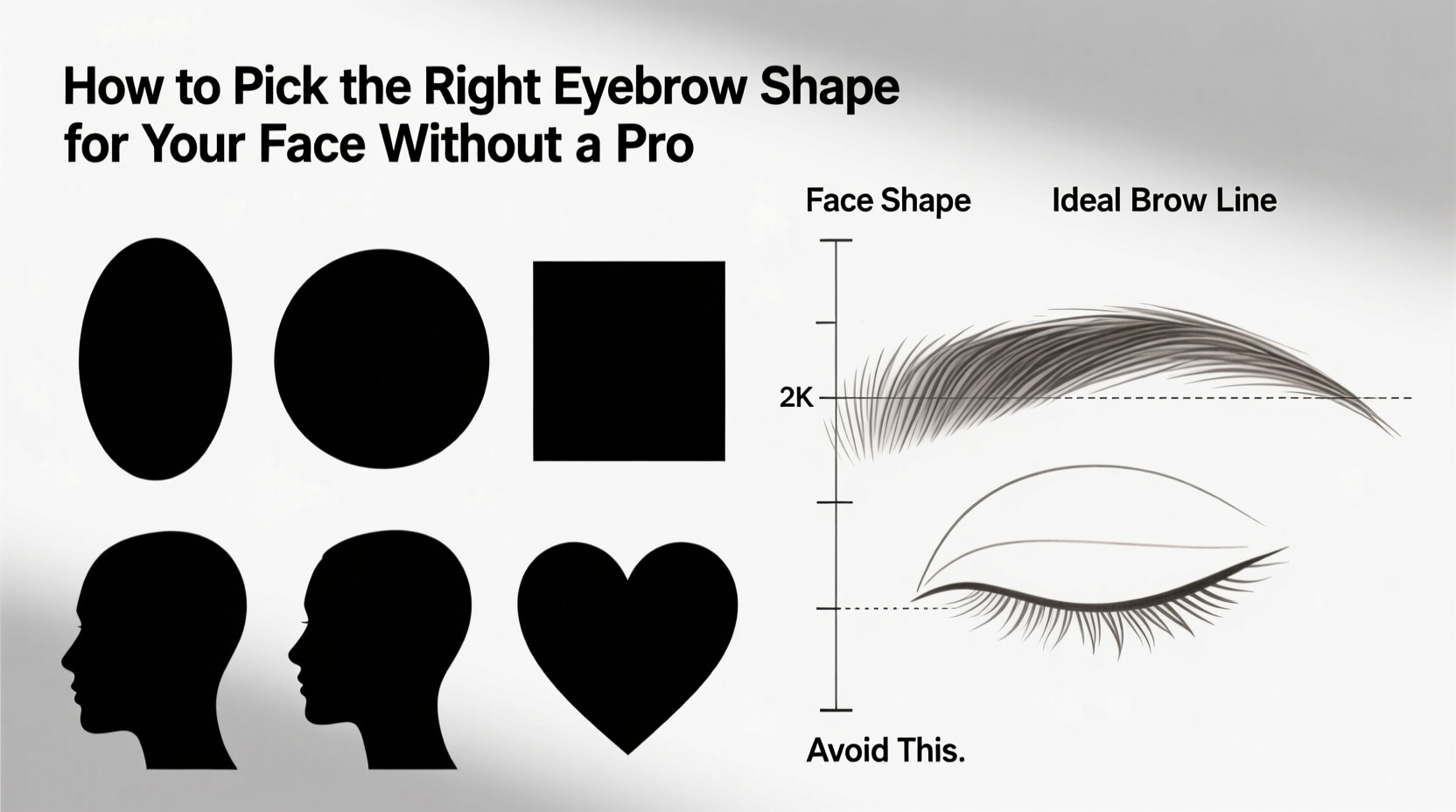
Before touching a tweezer or pencil, determine your face shape. This step is foundational because each shape responds best to specific brow styles that create harmony and proportion.
To identify your face shape, stand in front of a mirror with your hair pulled back. Use a washable marker or lip liner to trace the outline of your face on the mirror. Then compare the shape to these common categories:
- Oval: Forehead slightly wider than the jawline, with gently curved cheekbones and a softly pointed chin.
- Round: Equal width and length, full cheeks, and a rounded jawline.
- Square: Strong jaw, wide forehead, and angular features with similar width across forehead, cheeks, and jaw.
- Heart: Broad forehead tapering to a narrow chin, often with prominent cheekbones.
- Diamond: Narrow forehead and jaw, with the widest point at the cheekbones.
- Oblong/Rectangle: Face is longer than it is wide, with parallel sides and a long chin.
Brow Shapes That Match Face Types
Once you know your face shape, match it with a brow style that balances its natural lines. The goal isn’t to change your face but to highlight its strengths.
| Face Shape | Recommended Brow Shape | Why It Works |
|---|---|---|
| Oval | Soft arch with moderate height | Complements balanced proportions; maintains symmetry without overpowering features. |
| Round | High, defined arch | Adds vertical lift, making the face appear longer and less wide. |
| Square | Slightly curved or soft arch | Softens strong jawlines and adds femininity to angular features. |
| Heart | Flat or low arch, fuller at the tail | Offsets a broad forehead by drawing attention downward. |
| Diamond | Angled or pronounced arch | Highlights cheekbones and frames the eyes without narrowing the face further. |
| Oblong | Flat, straighter brow with minimal arch | Shortens the visual length of the face and creates horizontal balance. |
“Eyebrows are like earrings—they should accentuate, not dominate. The right shape brings out the best in your natural structure.” — Lena Torres, Celebrity Makeup Artist
Map Your Brows Using the Golden Rules
You don’t need a ruler or app to map your brows accurately. Three simple alignment techniques—based on classic makeup principles—can guide your shaping with precision.
- Start Point (Inner Corner): Hold a slim brush or eyebrow pencil vertically against the side of your nose. Where it intersects your brow is where your brow should begin. Anything inside this line can be trimmed or plucked sparingly.
- Arch Peak (Middle): Angle the same tool from your nostril through the outer edge of your iris. The point where it crosses your brow marks the ideal peak. This ensures the arch enhances your eye shape without drifting too far outward.
- End Point (Tail): Align the tool from your nostril to the outer corner of your eye. This diagonal line shows where your brow should naturally end. Ending too far can elongate the face unnaturally; ending too soon cuts off the frame.
Mark these points lightly with a white eyeliner or brow pencil so you can see the ideal shape before filling or tweezing. Remember: symmetry takes patience. One brow may start higher or extend longer—adjust gradually, checking both sides every few minutes.
Avoid Common DIY Mistakes
Even with good intentions, mistakes happen—especially when emotions run high during a “quick fix” session. Here are frequent errors and how to avoid them:
- Over-tweezing the arch: Creates a startled or aggressive look. Always tweeze above the line, never below, to maintain a clean lower edge.
- Making brows too thin: Thin brows age poorly and can look dated. Keep them proportional—ideally, 1/3rd to 1/2 the height of your eye opening.
- Ignoring hair growth direction: Plucking against the grain causes ingrown hairs and irritation. Follow the natural flow: upward in the front, diagonal in the arch, and downward at the tail.
- Forgetting asymmetry: Most faces aren’t perfectly symmetrical. Don’t force both brows to mirror exactly. Focus on balance, not mathematical perfection.
- Using dull tools: Dull tweezers crush hairs instead of removing them cleanly, leading to breakage and regrowth issues. Invest in slant-tip stainless steel tweezers and clean them weekly.
Do’s and Don’ts Summary
| Do | Don't |
|---|---|
| Pluck after a shower when pores are open | Wax or thread at home without practice |
| Fill sparse areas with fine strokes | Use harsh, dark pencils that look drawn-on |
| Trim long brow hairs with small scissors | Shape brows daily—wait 2–3 days between sessions |
| Use spoolie brushes to groom daily | Follow Instagram trends blindly |
Real Example: Transforming Round Features
Samantha, 28, had always struggled with her brows. She naturally had thick, straight brows, which she’d been thinning since her teens to mimic celebrity styles. Over time, they became sparse and flat, making her already round face appear wider and her eyes seem closer together.
After learning about face shape principles, she stopped plucking the arch area and began using a brow gel to lift the center. She filled in her brows with a pencil, creating a higher arch aligned with her iris. Within weeks, friends noticed she looked “more polished” and “awake.”
The change wasn’t dramatic—it was strategic. By raising the arch and extending the tail slightly past her outer eye corner, she created vertical emphasis. Her face didn’t change, but the perception of it did. She no longer felt the need to contour heavily or rely on heavy eyeliner to define her eyes.
This case illustrates how subtle adjustments, rooted in proportion rather than trend, yield lasting confidence.
Step-by-Step Guide: Shaping Your Brows at Home
Follow this routine monthly or whenever your brows grow out significantly. Allow 20–30 minutes in good lighting.
- Prep: Cleanse your face and towel-dry. Take a hot shower or apply a warm cloth to open pores and soften hair follicles.
- Map: Use a spoolie to brush hairs upward. With a white pencil, mark the start, arch, and end points using the alignment method described earlier.
- Define: Lightly fill in your desired shape with a neutral brow powder or pencil. This acts as a stencil—anything outside the filled area is fair game for removal.
- Tweak: Using sharp tweezers, remove stray hairs *above* the upper line and *below* the lower line. Never tweeze within the main body unless correcting obvious gaps.
- Blend: Brush hairs down and trim any excessively long ones with eyebrow scissors. Then brush back up for a fluffy, natural finish.
- Set: Apply a clear or tinted brow gel to hold the shape all day. Avoid heavy waxes that stiffen or clump.
- Review: Wait 24 hours before making further changes. What looks bold today may settle perfectly tomorrow.
Frequently Asked Questions
Can I reshape my brows if they’ve been over-plucked for years?
Yes, but patience is essential. Hair regrowth varies by person, age, and genetics. In the meantime, use microblading pens or ultra-fine powders to simulate fullness. Avoid tight headbands or frequent rubbing, which can inhibit regrowth. Consider consulting a dermatologist if no growth occurs after several months.
What’s the difference between a soft arch and a dramatic arch?
A soft arch follows the natural curve of your eye with a gentle peak, usually aligned with the outer edge of your iris. A dramatic arch has a steeper angle and higher peak, often extending beyond the iris. The latter works best for oval, diamond, or square faces; the former suits round or oblong shapes better.
Should my brows be exactly the same?
No. Natural facial asymmetry means one brow may sit higher, start farther out, or have a different thickness. Aim for *balance*, not duplication. Adjust spacing and arch height so both brows harmonize with their respective eye and temple area.
Final Checklist Before You Begin
- ✅ Identified my face shape (oval, round, square, etc.)
- ✅ Mapped start, arch, and end points using alignment technique
- ✅ Have sharp, clean tweezers and a spoolie brush
- ✅ Done in natural light, post-shower, with clean skin
- ✅ Filled in shape first to visualize boundaries
- ✅ Only removing hairs outside the desired shape
- ✅ Applying brow gel to set the look
Conclusion: Own Your Look with Confidence
Picking the right eyebrow shape isn’t about following the latest influencer trend—it’s about understanding your face and enhancing what’s already there. With a little practice, the mirror becomes your best consultant. You’ll learn which arch lifts your gaze, which thickness softens your expression, and how a well-groomed brow can transform your entire demeanor.
Stop relying on expensive appointments for something you can master at home. Use the mapping techniques, respect your face shape, and embrace gradual refinement. Your brows are part of your story—shape them with intention, care, and self-awareness.




 浙公网安备
33010002000092号
浙公网安备
33010002000092号 浙B2-20120091-4
Comments
No comments yet. Why don't you start the discussion?