
Millions of people experience tooth sensitivity—sharp, sudden pain triggered by hot, cold, sweet, or acidic foods. While fluoride has long been a standard in dental care, some individuals prefer to avoid it due to health concerns, environmental reasons, or personal preference. The challenge lies in finding a fluoride-free toothpaste that still effectively reduces sensitivity without compromising oral health. This guide breaks down what causes sensitivity, explains key ingredients to look for (and avoid), and provides a clear framework for choosing a safe, effective fluoride-free option tailored to your needs.
Understanding Tooth Sensitivity and Why Fluoride Isn’t Always the Answer
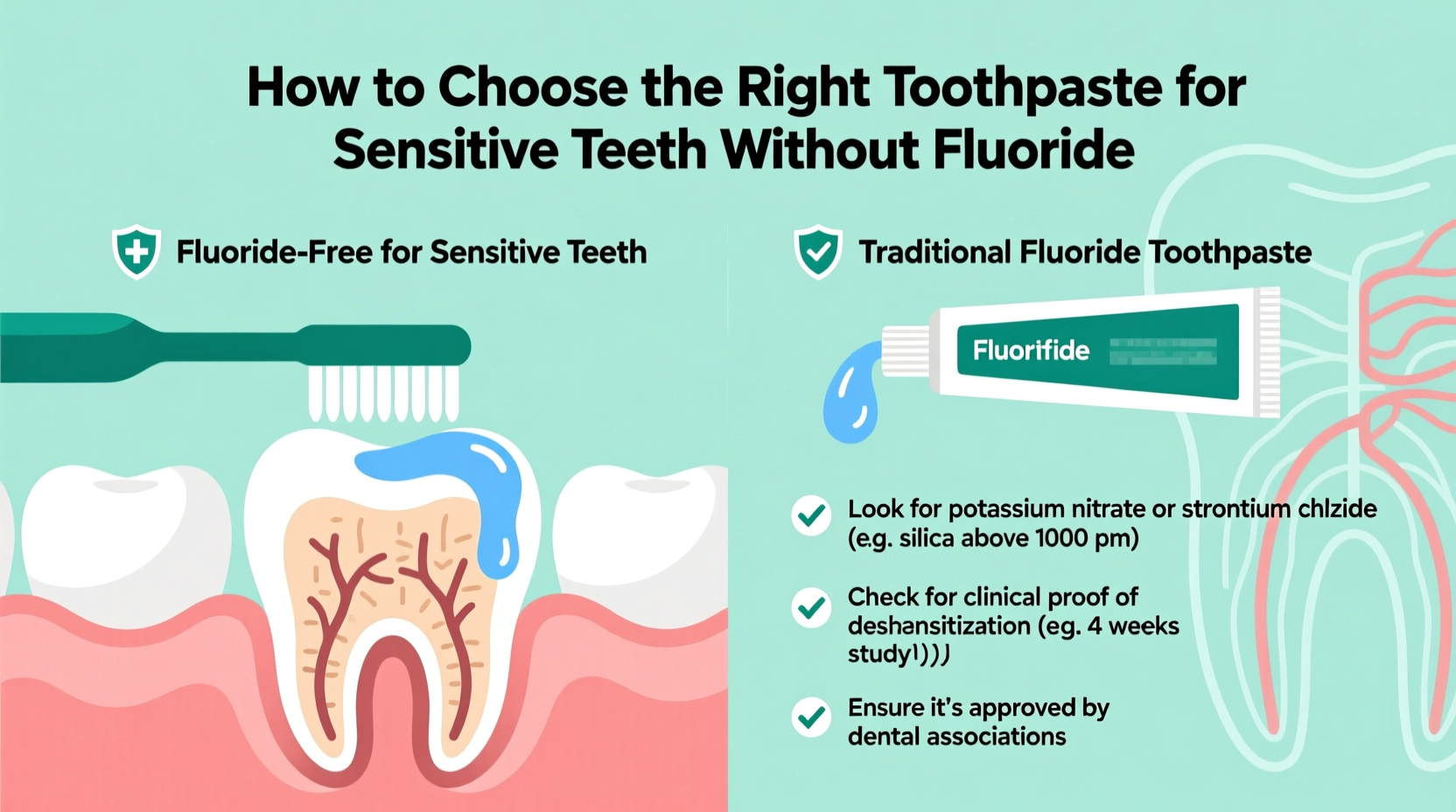
Tooth sensitivity occurs when the protective layers of enamel or cementum wear away, exposing the underlying dentin. Dentin contains microscopic channels called tubules that lead directly to the nerve. When stimuli like temperature or acidity reach these tubules, they trigger sharp discomfort.
Fluoride helps by strengthening enamel and reducing the risk of decay, which can indirectly reduce sensitivity. However, not everyone wants or needs fluoride. Some studies suggest excessive fluoride intake may contribute to fluorosis or endocrine disruption, particularly in children. Others choose fluoride-free products as part of a holistic or natural lifestyle.
The good news: fluoride isn't the only way to manage sensitivity. Modern formulations use alternative desensitizing agents that block pain signals or seal dentin tubules—without relying on fluoride.
Key Ingredients to Look for in Fluoride-Free Sensitive Toothpaste
Not all fluoride-free toothpastes are created equal. To effectively combat sensitivity, focus on active ingredients that have clinical backing. Here’s what to prioritize:
- Potassium Nitrate: Penetrates the tooth to calm nerve endings. Studies show consistent use over 2–4 weeks significantly reduces sensitivity.
- Hydroxyapatite (especially nano-hydroxyapatite): A bioactive mineral identical to natural tooth structure. It remineralizes enamel, seals dentin tubules, and is increasingly recognized as a safe, effective fluoride alternative.
- Arginine + Calcium Carbonate : Found in some commercial desensitizing pastes, this combination plugs open tubules and creates a protective layer.
- Aloe Vera & Chamomile: Soothing botanicals that reduce gum inflammation, which can exacerbate sensitivity.
Avoid ingredients that may worsen sensitivity, such as:
- Sodium Lauryl Sulfate (SLS): A foaming agent linked to irritation and canker sores in sensitive mouths.
- High-abrasive silica: Can erode enamel over time, especially if you brush aggressively.
- Acidic flavorings (e.g., citrus oils): May increase enamel erosion and sensitivity.
“Hydroxyapatite is one of the most promising biomimetic materials in dentistry. It rebuilds enamel naturally and safely—ideal for patients avoiding fluoride.” — Dr. Lena Torres, Integrative Dental Consultant
How to Evaluate and Compare Fluoride-Free Sensitive Toothpastes
With dozens of options on shelves and online, comparison is essential. Use the following criteria to assess each product objectively.
| Factor | What to Look For | Red Flags |
|---|---|---|
| Active Desensitizer | Potassium nitrate, hydroxyapatite, arginine | No listed active ingredient; vague claims like “soothing formula” |
| Fluoride Content | Clearly labeled “fluoride-free” | Hidden fluoride sources (e.g., stannous fluoride in “anti-cavity” variants) |
| Abrasiveness (RDA Value) | RDA below 70 (low abrasion) | RDA above 100; not disclosed |
| Surfactants | SLS-free; uses gentler alternatives like cocamidopropyl betaine | Contains sodium lauryl sulfate |
| Clinical Backing | Third-party tested; peer-reviewed studies cited | Only anecdotal testimonials |
Real Example: Sarah’s Switch to Fluoride-Free Relief
Sarah, a 34-year-old yoga instructor, had struggled with cold sensitivity for years. She used a popular fluoride-based sensitive toothpaste but developed recurring mouth irritation. After researching alternatives, she switched to a hydroxyapatite-based, SLS-free paste. Within three weeks, her sensitivity decreased noticeably, and her gums felt less inflamed. “I was skeptical at first,” she said, “but now I won’t go back. My dentist even commented on my improved enamel density at my last checkup.”
Step-by-Step Guide to Choosing Your Ideal Toothpaste
Follow this five-step process to confidently select a fluoride-free toothpaste that works for your sensitive teeth:
- Assess Your Sensitivity Triggers: Note whether cold, heat, sweets, or brushing cause pain. This helps determine if you need tubule-blocking (e.g., hydroxyapatite) or nerve-calming (e.g., potassium nitrate) ingredients.
- Read Labels Carefully: Check the active ingredients list. Prioritize products listing potassium nitrate or nano-hydroxyapatite as actives. Avoid SLS, parabens, and artificial sweeteners like saccharin if you’re prone to irritation.
- Check for Certifications: Look for third-party validations such as EWG Verified, Leaping Bunny (cruelty-free), or ISO-certified hydroxyapatite. These signal transparency and quality control.
- Start with a Small Tube or Sample: Test the texture, taste, and foaming level. Some natural pastes foam less than conventional ones—this is normal and not a sign of ineffectiveness.
- Monitor Results Over 4 Weeks: Use the toothpaste twice daily. Track changes in sensitivity, gum health, and overall comfort. If no improvement occurs after a month, consider switching formulas or consulting your dentist.
Frequently Asked Questions
Is fluoride-free toothpaste safe for sensitive teeth?
Yes, provided it contains effective desensitizing agents like nano-hydroxyapatite or potassium nitrate. These ingredients have been clinically shown to reduce sensitivity and support remineralization without fluoride. However, if you have high cavity risk, discuss your choice with your dentist to ensure comprehensive protection.
Can children use fluoride-free toothpaste for sensitive teeth?
Children under six should generally avoid swallowing any toothpaste. If sensitivity is an issue, consult a pediatric dentist. Some hydroxyapatite-based pastes are considered safe for kids, but always verify age recommendations and supervise brushing to prevent ingestion.
How long does it take for fluoride-free sensitive toothpaste to work?
Most users notice improvement within 2–4 weeks of consistent use. Potassium nitrate typically requires daily application for at least two weeks to calm nerve activity. Hydroxyapatite may show results faster by physically sealing exposed tubules. Patience and routine are key.
Final Checklist Before You Buy
Before purchasing any fluoride-free sensitive toothpaste, run through this quick checklist:
- ✅ Contains a proven desensitizing ingredient (e.g., potassium nitrate, hydroxyapatite)
- ✅ Clearly labeled “fluoride-free” with no hidden fluoride compounds
- ✅ Free from sodium lauryl sulfate (SLS) and harsh abrasives
- ✅ Low RDA value (under 70) for gentle cleaning
- ✅ Backed by clinical research or third-party testing
- ✅ Suitable for your personal values (e.g., vegan, cruelty-free, non-GMO)
- ✅ Compatible with your preferred flavor and texture
Making the Right Choice for Long-Term Oral Health
Selecting the right toothpaste for sensitive teeth without fluoride doesn’t have to be overwhelming. By focusing on science-backed ingredients, avoiding irritants, and understanding your personal needs, you can find a product that offers real relief and supports lasting dental wellness. Remember, oral care is not one-size-fits-all. What works for someone else might not suit your biology or lifestyle. Take the time to test options mindfully and track your results.
Ultimately, the best toothpaste is one you’ll use consistently—one that feels comfortable, aligns with your health goals, and keeps your smile pain-free. With the right information, you’re fully equipped to make that choice with confidence.




 浙公网安备
33010002000092号
浙公网安备
33010002000092号 浙B2-20120091-4
Comments
No comments yet. Why don't you start the discussion?