
Rabbits are intelligent, social animals capable of remarkable behaviors—including using a litter box. Yet, many new rabbit owners find themselves frustrated by accidents, scattered droppings, and the constant battle of cleaning up after their fluffy companion. The truth is, potty training a rabbit isn’t about dominance or obedience; it’s about understanding natural instincts, creating the right environment, and applying consistent, humane techniques.
With patience and the right approach, most rabbits can be reliably litter-trained in a matter of weeks. This guide breaks down the science-backed strategies used by veterinarians, animal behaviorists, and experienced rabbit caregivers. You’ll learn how to set up the ideal space, troubleshoot common setbacks, and maintain long-term success—all while preserving your peace of mind.
Understanding Rabbit Behavior: The Key to Success
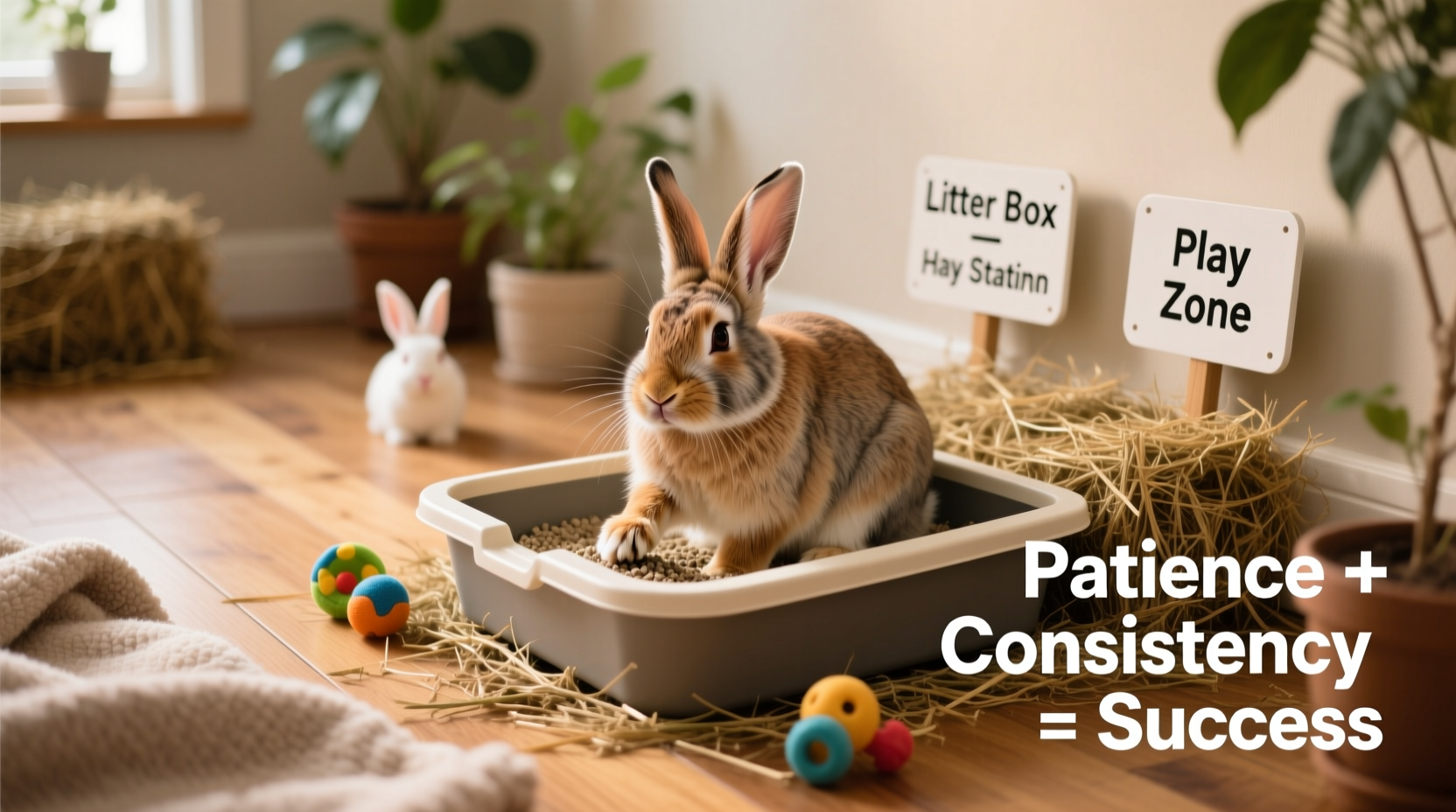
Rabbits are naturally clean animals. In the wild, they designate specific areas for sleeping, eating, and eliminating waste. This instinct makes them excellent candidates for litter training—far more so than many people realize. Unlike cats, who often use litter boxes out of convenience, rabbits will consistently return to the same spot if it aligns with their territorial habits.
The key lies in recognizing that rabbits mark territory with both urine and feces. While this might seem counterproductive to house training, it actually works in your favor. By guiding your rabbit to use one preferred location, you’re working *with* their instincts rather than against them.
“Rabbits thrive on routine and spatial consistency. When you respect their need for control over their environment, litter training becomes almost effortless.” — Dr. Lena Reyes, DVM, Exotic Animal Specialist
It’s also important to note that unaltered rabbits are far more likely to spray or scatter droppings as part of mating behavior. Spaying or neutering significantly improves litter box reliability—often doubling success rates, according to studies from the House Rabbit Society.
Step-by-Step Guide to Potty Training Your Rabbit
Potty training a rabbit is less about teaching and more about encouragement and reinforcement. Follow this proven sequence to build lasting habits:
- Choose the right litter box: Use a low-sided, wide tray so your rabbit can easily hop in and out. Cat litter boxes work well, but corner models save space in larger enclosures.
- Select safe, absorbent litter: Avoid clumping clay or scented litters, which can cause respiratory issues. Opt for paper-based, aspen shavings, or pelleted wood products.
- Place the box in the bathroom corner: Rabbits naturally prefer corners for elimination. Position the litter box where your rabbit already tends to go.
- Add hay to the box: Place a hay rack or handful of timothy hay directly over or beside the litter box. Rabbits like to eat while they eliminate, reinforcing the desired behavior.
- Confine initially for consistency: Start with a smaller play area (4x6 feet) so your rabbit learns the layout. Expand gradually as reliability improves.
- Celebrate successes quietly: Offer a small treat or gentle praise when your rabbit uses the box. Avoid loud reactions that may startle them.
- Never punish accidents: Yelling or rubbing a rabbit’s nose in waste damages trust and increases anxiety. Instead, simply clean up and reassess setup.
- Gradually increase freedom: Once your rabbit uses the box consistently for 7–10 days, allow access to additional rooms one at a time.
Common Challenges and How to Solve Them
Even with the best setup, setbacks happen. Here are the most frequent issues and effective solutions:
1. Urine Outside the Box
This is usually due to either size mismatch or hormonal behavior. If your rabbit is unspayed/unneutered, spraying is likely. Surgical alteration typically resolves 70–80% of spraying cases within six weeks post-op. For altered rabbits, try enlarging the litter box or adding a second one in a frequently marked zone.
2. Droppings Scattered Around the Room
Rabbits often drop pellets while moving between areas. This isn’t defiance—it’s normal grazing behavior. The solution? Place small hay piles in key locations (like near toys or resting spots). Over time, your rabbit may begin to associate eating with eliminating and consolidate waste in fewer zones.
3. Sudden Regression After Success
If a previously trained rabbit starts having accidents, consider medical causes first. Urinary tract infections, bladder stones, or arthritis can make box access painful. Schedule a vet visit before assuming behavioral issues.
4. Refusing to Enter the Litter Box
Check for discomfort: wet bedding, sharp edges, or strong odors can deter use. Replace liners, clean thoroughly with vinegar solution (never ammonia), and ensure the surface is dry and inviting.
“Every accident is data. It tells you something about your rabbit’s comfort, health, or environment—not their intelligence.” — Sarah Kim, Certified Rabbit Behavior Consultant
Do’s and Don’ts: Quick Reference Table
| Do’s | Don’ts |
|---|---|
| Use paper-based or aspen-based litter | Use clumping clay, cedar, or pine shavings |
| Spay or neuter your rabbit by 4–6 months | Delay altering hoping they’ll “grow out” of spraying |
| Place hay in or near the litter box | Keep hay far from the box—this discourages use |
| Clean the box daily, deep clean weekly | Let waste accumulate—odor drives rabbits away |
| Start training in a confined space | Give full house access too early |
| Use white vinegar and water for cleaning | Use ammonia-based cleaners—they mimic urine smell |
Real-Life Example: From Chaos to Clean Living
When Mark adopted Daisy, a 5-month-old dwarf rabbit, his living room quickly became a minefield of droppings and damp spots. Despite placing a litter box in the corner, Daisy ignored it completely. Frustrated, he nearly gave up—until he consulted a local rabbit rescue group.
They advised him to do three things: get Daisy spayed, switch to paper-pulp litter, and place a hay feeder directly over the litter box. He also reduced her roaming area to a 5x8 ft pen with a single exit.
Within ten days, Daisy began hopping into the box regularly. After two weeks, she was 90% reliable. Today, she has free roam of the apartment and uses one of three litter boxes located near her favorite napping and eating spots. Mark credits the turnaround not to persistence alone, but to aligning the setup with Daisy’s instincts.
Essential Checklist for Rabbit Potty Training Success
- ☑ Spay or neuter your rabbit (if not already)
- ☑ Choose a large, low-entry litter box
- ☑ Fill with rabbit-safe, non-dusty litter
- ☑ Place in the corner where your rabbit naturally eliminates
- ☑ Add fresh hay directly in or above the box
- ☑ Confine to a manageable space during initial training
- ☑ Scoop waste daily and replace litter weekly
- ☑ Gradually expand territory as habits solidify
- ☑ Watch for signs of illness if accidents persist
- ☑ Stay calm and consistent—no yelling or punishment
Frequently Asked Questions
How long does it take to potty train a rabbit?
Most rabbits show improvement within 1–2 weeks, with full reliability taking 4–8 weeks. Altered rabbits tend to learn faster. Some bond strongly to their box within days, especially when hay is used as an attractant.
Can older rabbits be potty trained?
Absolutely. Age doesn’t limit learning ability in rabbits. Older rabbits may take longer due to established habits, but with consistent setup and environmental cues, even seniors can adapt successfully.
Why does my rabbit kick litter out of the box?
This is natural digging or covering behavior. To minimize mess, use a corner box with higher back walls, or place a mat underneath. Some owners use double-box systems—one inside another—to contain spills.
Final Thoughts: Patience Pays Off
Potty training a rabbit isn’t a test of willpower—it’s a partnership built on observation, empathy, and smart design. The most successful caregivers aren’t those with the strictest rules, but those who adapt their environment to meet their rabbit’s needs.
Remember: every rabbit is different. What works instantly for one may take weeks for another. The goal isn’t perfection, but progress. Celebrate small wins—a single day without accidents, a new corner claimed as a bathroom zone, a hop into the box without hesitation.
You don’t have to lose your sanity to gain a clean home. With the right tools, mindset, and a bit of veterinary guidance, your rabbit can become a model citizen of your living space.




 浙公网安备
33010002000092号
浙公网安备
33010002000092号 浙B2-20120091-4
Comments
No comments yet. Why don't you start the discussion?