
Rabbits are intelligent, social animals capable of learning routines—including where to go to the bathroom. Yet, when a rabbit resists litter training, many owners feel frustrated or tempted to resort to forceful corrections. The truth is, successful potty training hinges not on dominance, but on understanding rabbit psychology, consistency, and patience. A stressed rabbit will never learn effectively. This guide walks through science-backed, low-stress methods to help even the most stubborn bunnies adopt proper bathroom habits—without fear, punishment, or setbacks.
Understanding Rabbit Behavior and Bathroom Habits
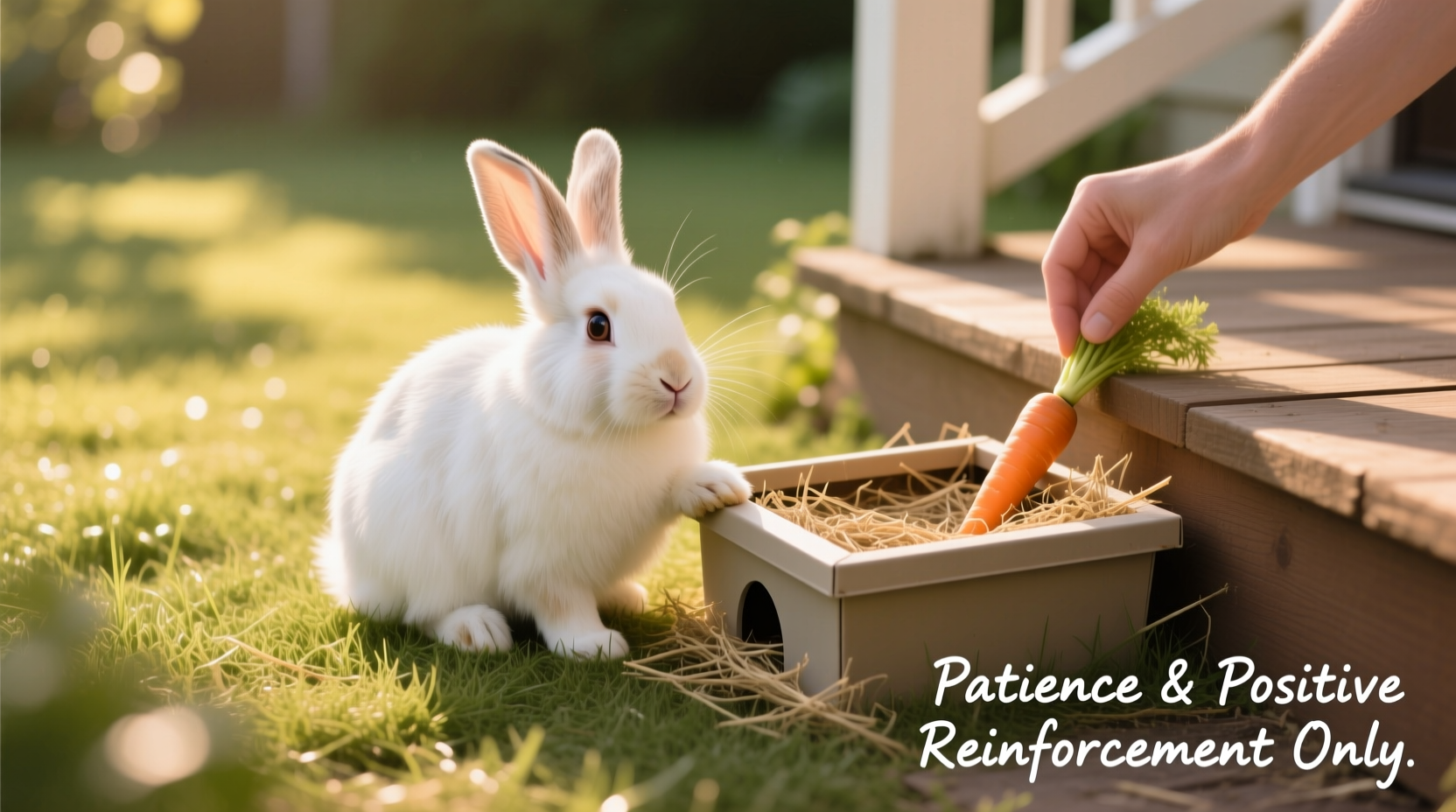
Rabbits are naturally clean animals. In the wild, they designate specific areas for urination and droppings to avoid attracting predators. This instinct makes litter training possible, but it also means any disruption to their sense of safety can derail progress. Stressors such as loud noises, sudden changes in environment, or perceived threats from humans or other pets can cause a rabbit to eliminate outside the litter box—not out of defiance, but as a sign of anxiety.
Stubbornness in rabbits is often misinterpreted. What appears as resistance may actually be confusion, discomfort, or a lack of motivation. For example, if the litter box is too small, contains an unpleasant substrate, or is placed in a high-traffic area, your rabbit may avoid it. Similarly, unspayed or unneutered rabbits are more likely to mark territory with urine, making training significantly harder.
“Rabbits don’t misbehave out of spite. When they refuse to use the litter box, it’s usually because their environment isn’t meeting their physical or emotional needs.” — Dr. Lauren Ford, Exotic Animal Behaviorist
A Step-by-Step Guide to Low-Stress Potty Training
Training a stubborn rabbit requires structure, observation, and gradual conditioning. Follow this timeline-based approach to build trust and reinforce positive behavior.
- Day 1–3: Observe and Map Elimination Patterns
Allow your rabbit free roam in a confined space (like a playpen or bunny-proofed room). Take notes on where they consistently pee or drop pellets. Most rabbits have a preferred corner. Identifying this spot is crucial—it tells you where to place the litter box. - Day 4–7: Introduce the Litter Box Strategically
Place a large, low-sided litter box (at least 18” x 14”) in the observed elimination zone. Use rabbit-safe bedding like paper-based litter or aspen shavings. Avoid clay, clumping, or scented litters, which can irritate their respiratory system. Add a handful of soiled hay and a few droppings into the box to create a familiar scent. - Week 2: Reinforce with Positive Association
Whenever your rabbit uses the litter box, quietly offer a small treat (like a pea or parsley leaf) and praise in a soft voice. Never pick them up or make sudden movements during this time—this could associate the box with stress. - Week 3–4: Expand Territory Gradually
If your rabbit consistently uses the box, slowly increase their roaming area. Add secondary litter boxes in new zones. Rabbits often prefer multiple options, especially in larger spaces. Remove boxes only after confirming consistent use. - Week 5+: Troubleshoot and Refine
If accidents occur, clean them thoroughly with an enzyme cleaner to remove odor cues. Reassess placement, substrate, and routine. Spaying or neutering should be considered if not already done, as hormonal behaviors can override training.
Essential Do’s and Don’ts for Effective Training
Mistakes in technique can undo weeks of progress. Use this table to ensure your approach supports, rather than hinders, your rabbit’s learning process.
| Do’s | Don’ts |
|---|---|
| Use open-top litter boxes for easy access | Use high-walled or covered boxes that trap odors |
| Spay or neuter your rabbit by 4–6 months of age | Delay sterilization, which increases territorial marking |
| Clean the litter box daily, replacing soiled bedding | Let waste accumulate—this discourages repeat use |
| Offer treats immediately after correct use | Punish accidents with yelling, scruffing, or cage confinement |
| Provide unlimited hay to support digestion and calm behavior | Withhold food or water as correction—it causes stress and health issues |
Real-Life Example: Turning Around a Stubborn Bunny
Sophie, a 1-year-old Rex rabbit, had been peeing in every corner of her owner’s living room for months. Despite multiple litter boxes and frequent cleaning, she showed no improvement. Her owner, frustrated, was considering rehoming her.
A rabbit-savvy vet tech assessed the setup and noticed two key issues: Sophie’s litter boxes were too small, and she was unspayed. After upgrading to larger boxes filled with paper-based litter and scheduling spaying, the owner began placing fresh timothy hay inside each box.
Within ten days, Sophie started using one primary box consistently. The owner rewarded her with a single oat treat each time. Over the next three weeks, as Sophie gained confidence, additional boxes were introduced in new areas. Within six weeks, accidents dropped from 8–10 per day to less than one per week. Today, Sophie is fully litter-trained and enjoys supervised free roam time daily.
This case illustrates that “stubbornness” was actually a combination of hormonal influence and environmental mismatch—both fixable with the right approach.
Common Challenges and How to Overcome Them
Even with the best intentions, setbacks happen. Here’s how to address frequent obstacles:
- Urinating on furniture or vertical surfaces: This is often territorial spraying, common in unaltered rabbits. Spaying/neutering resolves this in over 80% of cases within 4–6 weeks post-surgery.
- Dropping pellets around the room: Some rabbits scatter droppings as a way of marking their territory. While harder to control than urine, consistent litter box access and hay placement can reduce random pellet dropping over time.
- Refusing to enter the litter box: Check for pain or mobility issues. Arthritic rabbits may struggle with high sides. Switch to a lower-entry box or add a ramp.
- Using the box for sleeping: If your rabbit treats the litter box like a den, try adding a separate hideout nearby. Rabbits distinguish between sleeping and elimination areas when given clear choices.
Checklist: Is Your Rabbit Ready for Success?
Before expecting full compliance, verify these foundational elements are in place:
- ✅ Rabbit has been spayed or neutered
- ✅ Litter box is large enough (minimum 18” x 14”)
- ✅ Box has low entry for easy access
- ✅ Filled with safe, non-toxic litter (paper-based or aspen)
- ✅ Fresh hay is placed inside the box
- ✅ Box is cleaned daily
- ✅ Accidents are cleaned with enzyme-based cleaner
- ✅ No punishment is used for mistakes
- ✅ Training occurs in a calm, quiet environment
- ✅ Treats and praise follow correct use immediately
Frequently Asked Questions
How long does it take to potty train a stubborn rabbit?
Most rabbits show improvement within 2–4 weeks when using consistent, stress-free methods. Full reliability may take 6–8 weeks, especially if medical or hormonal factors are involved. Patience is essential—progress is rarely linear.
Can older rabbits be potty trained?
Yes. Age doesn’t prevent learning, though older rabbits may have established habits or health conditions that require adjustments. Arthritis, incontinence, or cognitive decline should be ruled out by a veterinarian. With proper accommodations, even senior rabbits can adapt to litter boxes.
What if my rabbit keeps peeing on the carpet?
Carpets retain odors, making them attractive for repeat marking. Clean all spots with an enzymatic cleaner specifically designed for pet urine. Consider temporarily covering the area with aluminum foil or plastic mats—most rabbits dislike the texture. Once the scent is gone and alternative boxes are appealing, they’ll stop targeting the spot.
Final Thoughts: Kindness Wins Over Control
Potty training a stubborn rabbit isn’t about winning a battle of wills. It’s about creating an environment where the right choice feels natural and rewarding. When stress is minimized and instincts are respected, even the most resistant bunnies can learn to use their litter box reliably.
The cornerstone of success lies in empathy: seeing the world from your rabbit’s perspective. Are they scared? Confused? In pain? Addressing these underlying issues transforms training from a chore into a bonding experience. Every small step forward—whether it’s stepping into the box or finally peeing inside—is a victory worth celebrating.




 浙公网安备
33010002000092号
浙公网安备
33010002000092号 浙B2-20120091-4
Comments
No comments yet. Why don't you start the discussion?