
Applying makeup is only as effective as the canvas it goes on. No matter how high-end your foundation or concealer, if your skin isn’t properly prepped, the results will be patchy, uneven, and short-lived. A flawless makeup finish begins not with a brush or sponge, but with a thoughtful, deliberate skincare routine tailored to enhance both texture and longevity. The secret to a polished, enduring look lies in preparation—cleansing, hydrating, protecting, and priming with precision. When done correctly, this process creates a smooth base that allows makeup to glide on seamlessly and stay put for hours.
Many people skip steps or rush through their routine, leading to clogged pores, flakiness, or excess shine by midday. But with a few consistent habits and the right product choices, anyone can achieve a fresh, airbrushed appearance that lasts from morning meetings to evening events.
1. Cleanse Thoroughly to Remove Impurities
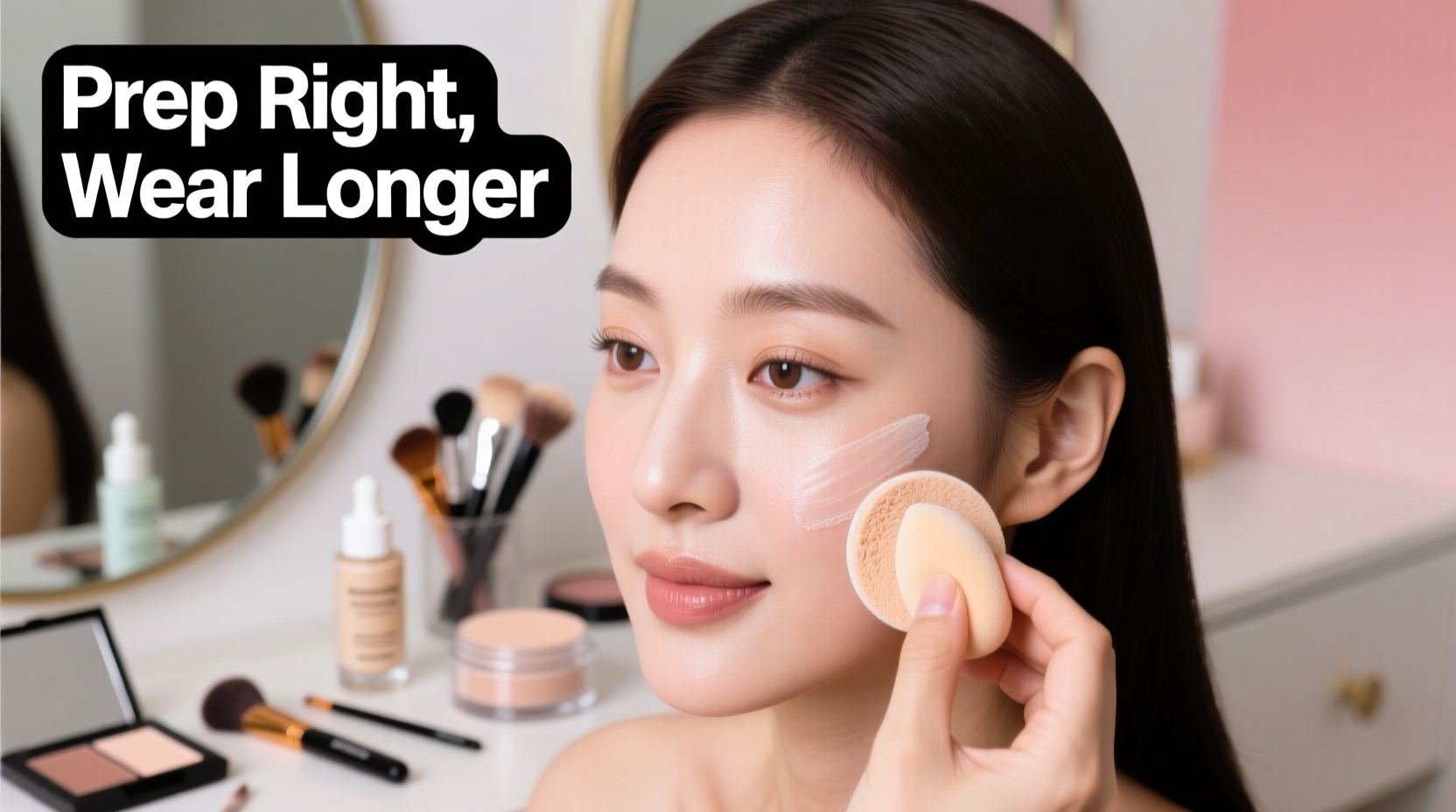
The first step in any successful makeup prep routine is cleansing. Overnight, your skin accumulates oil, sweat, dead cells, and residual products. If you apply makeup over this buildup, it won’t adhere evenly and may settle into fine lines or pores. Choose a gentle cleanser suited to your skin type—gel-based for oily skin, cream or milk for dry, and non-comedogenic formulas for acne-prone complexions.
Use lukewarm water to open pores slightly and help dissolve debris. Massage the cleanser in circular motions for at least 30 seconds, focusing on areas prone to congestion like the T-zone. Rinse thoroughly and pat dry with a clean towel—never rub, as friction can irritate the skin and cause redness.
2. Exfoliate Weekly for a Smooth Texture
Dead skin cells are one of the biggest culprits behind patchy foundation and flaky patches, especially around the nose and cheeks. Regular exfoliation removes these cells, revealing fresher, more radiant skin underneath. However, over-exfoliating can damage your moisture barrier, so moderation is key.
There are two types of exfoliants: physical (scrubs with granules) and chemical (AHAs like glycolic acid or BHAs like salicylic acid). Chemical exfoliants tend to be gentler and more effective for most skin types, especially sensitive or acne-prone skin. Use them 2–3 times per week, never daily, and always follow with hydration.
“Exfoliation is essential for makeup longevity. It prevents pilling and ensures even pigment distribution.” — Dr. Lena Patel, Board-Certified Dermatologist
Avoid using harsh scrubs immediately before makeup, as they can leave micro-tears and cause irritation under foundation. Save physical exfoliation for nighttime routines or non-makeup days.
3. Hydrate Deeply with Serums and Moisturizers
Hydration is the cornerstone of a smooth makeup base. Dehydrated skin looks dull and accentuates fine lines, making foundation appear cracked or cakey. After cleansing (and exfoliating, if applicable), apply a hydrating serum containing hyaluronic acid, which can hold up to 1,000 times its weight in water.
Layer your serum while your skin is still slightly damp to lock in moisture. Press it gently into your face—don’t rub aggressively. Follow with a lightweight moisturizer suited to your skin type. Oily skin benefits from gel or water-based formulas; dry skin needs richer creams with ceramides or squalane.
Allow your moisturizer to absorb fully—this takes about 3–5 minutes. Rushing this step leads to pilling when makeup is applied. If you’re in a hurry, use a facial roller or press your palms lightly over your face to speed up absorption without compromising the product’s efficacy.
| Skin Type | Recommended Moisturizer | Avoid |
|---|---|---|
| Oily | Oil-free, non-comedogenic gel | Heavy creams, petroleum-based ointments |
| Dry | Cream with ceramides, shea butter | Alcohol-heavy lotions, mattifying gels |
| Combination | Lightweight lotion, balanced formula | Products that overly dry or overly grease |
| Sensitive | Fragrance-free, hypoallergenic cream | Essential oils, alcohol, sulfates |
4. Prime Strategically for Longevity and Finish Control
Primer is not optional—it’s the bridge between skincare and makeup. Think of it as a smoothing sealer that fills in pores, blurs imperfections, and creates a uniform surface. Different primers serve different purposes:
- Pore-minimizing primers contain silicone-based ingredients like dimethicone to fill in texture.
- Hydrating primers add moisture and work well for dry skin.
- Mattifying primers control oil and are ideal for combination or oily skin.
- Brightening primers have light-reflecting particles to combat dullness.
Apply primer after your moisturizer has fully absorbed. Use a pea-sized amount and spread it evenly with fingertips or a flat brush. Focus on areas where makeup tends to fade—forehead, nose, chin—or where texture is more visible. Let the primer set for 60 seconds before applying foundation.
5. Sun Protection and Final Prep Steps
Even if you’re staying indoors, UV rays penetrate windows and contribute to premature aging. Applying a broad-spectrum SPF 30+ every morning is non-negotiable. Opt for a lightweight, makeup-friendly sunscreen that doesn’t leave a white cast or greasy film.
If your sunscreen feels sticky, let it sink in for 5 minutes before moving forward. You can also blot excess residue gently with a tissue—don’t wipe, just press. Once protected, consider a final mist of facial spray to create a dewy, receptive surface. A hydrating mist with glycerin or rosewater helps blend products more naturally and reduces the risk of early drying.
Mini Case Study: Sarah’s Makeup Transformation
Sarah, a 32-year-old marketing executive, struggled with her foundation separating by 11 a.m., especially along her jawline. She used high-end products but skipped moisturizer in the morning, fearing it would make her oily. After consulting a makeup artist, she revised her routine: she began double-cleansing at night, using a hyaluronic acid serum each morning, applying a lightweight moisturizer, and finishing with a mattifying primer.
Within a week, her makeup lasted all day without touch-ups. Her skin looked smoother, and she no longer needed to carry blotting papers. The change wasn’t in her foundation—it was in her prep. By addressing dehydration and oil imbalance, she created a stable base that held makeup securely.
Complete Morning Face Prep Checklist
Follow this step-by-step checklist every morning to ensure your face is perfectly prepped for makeup:
- Wash face with a gentle cleanser using lukewarm water.
- Exfoliate 2–3 times per week (not daily).
- Pat skin dry—do not rub.
- Apply hydrating serum (e.g., hyaluronic acid) to damp skin.
- Follow with a moisturizer suited to your skin type.
- Wait 3–5 minutes for full absorption.
- Apply broad-spectrum SPF 30+.
- Wait 1–2 minutes for sunscreen to set.
- Apply a targeted primer based on skin concerns.
- Let primer set for 60 seconds.
- Optional: Mist face with a hydrating facial spray.
- Begin makeup application.
Common Mistakes That Ruin Makeup Longevity
Even with good intentions, small errors can undermine your entire routine. Watch out for these common pitfalls:
- Skipping moisturizer: Leads to dry patches and foundation cracking.
- Using too much product: Overloading serum or moisturizer causes pilling.
- Rushing the absorption phase: Applying makeup too soon disrupts layers.
- Ignoring SPF: Increases skin damage and affects texture over time.
- Using expired or incompatible products: Can cause breakouts or poor blending.
Consistency matters more than complexity. A simple, well-executed routine beats a 10-step regimen done haphazardly.
Frequently Asked Questions
Can I skip moisturizer if I have oily skin?
No. Skipping moisturizer signals your skin to produce more oil, worsening shine and clogging pores. Instead, use an oil-free, non-comedogenic moisturizer designed for oily skin. Hydration balances sebum production and improves makeup adherence.
Should I use a different primer for summer vs. winter?
Yes. In humid months, opt for a mattifying, lightweight primer to control sweat and oil. In colder, drier weather, switch to a hydrating primer with nourishing ingredients like peptides or squalane to prevent flakiness and maintain radiance.
How long should I wait between skincare and makeup?
Allow at least 3–5 minutes after moisturizer and SPF for full absorption. If you feel tackiness or see pilling, wait longer. Primer typically sets in 30–60 seconds. Patience ensures a seamless, long-wearing finish.
Final Thoughts: Build a Routine That Works for You
Prepping your face before makeup isn’t about following trends—it’s about understanding your skin and giving it what it needs to thrive. A smooth, long-lasting look isn’t achieved through expensive foundations alone, but through disciplined, intelligent preparation. When your skin is clean, balanced, and hydrated, makeup becomes an enhancement rather than a cover-up.
Tailor each step to your unique skin type and lifestyle. Monitor how your skin reacts and adjust accordingly. Over time, this routine will become second nature, saving you time and touch-ups throughout the day. Remember, great makeup starts the night before—with proper cleansing and overnight care—so consistency is everything.




 浙公网安备
33010002000092号
浙公网安备
33010002000092号 浙B2-20120091-4
Comments
No comments yet. Why don't you start the discussion?