
Flowers carry emotion. A single bouquet can mark a wedding, a farewell, or a quiet moment of appreciation. Their beauty is fleeting, but their meaning doesn’t have to be. With the right preservation techniques, you can extend the life of your favorite blooms for years—capturing memories in color and form. This guide walks through proven, accessible methods to dry and preserve flowers at home using everyday materials. Whether it’s a bridal bouquet, anniversary roses, or wildflowers from a hike, these DIY approaches make lasting keepsakes possible without special equipment.
Air Drying: The Classic Approach
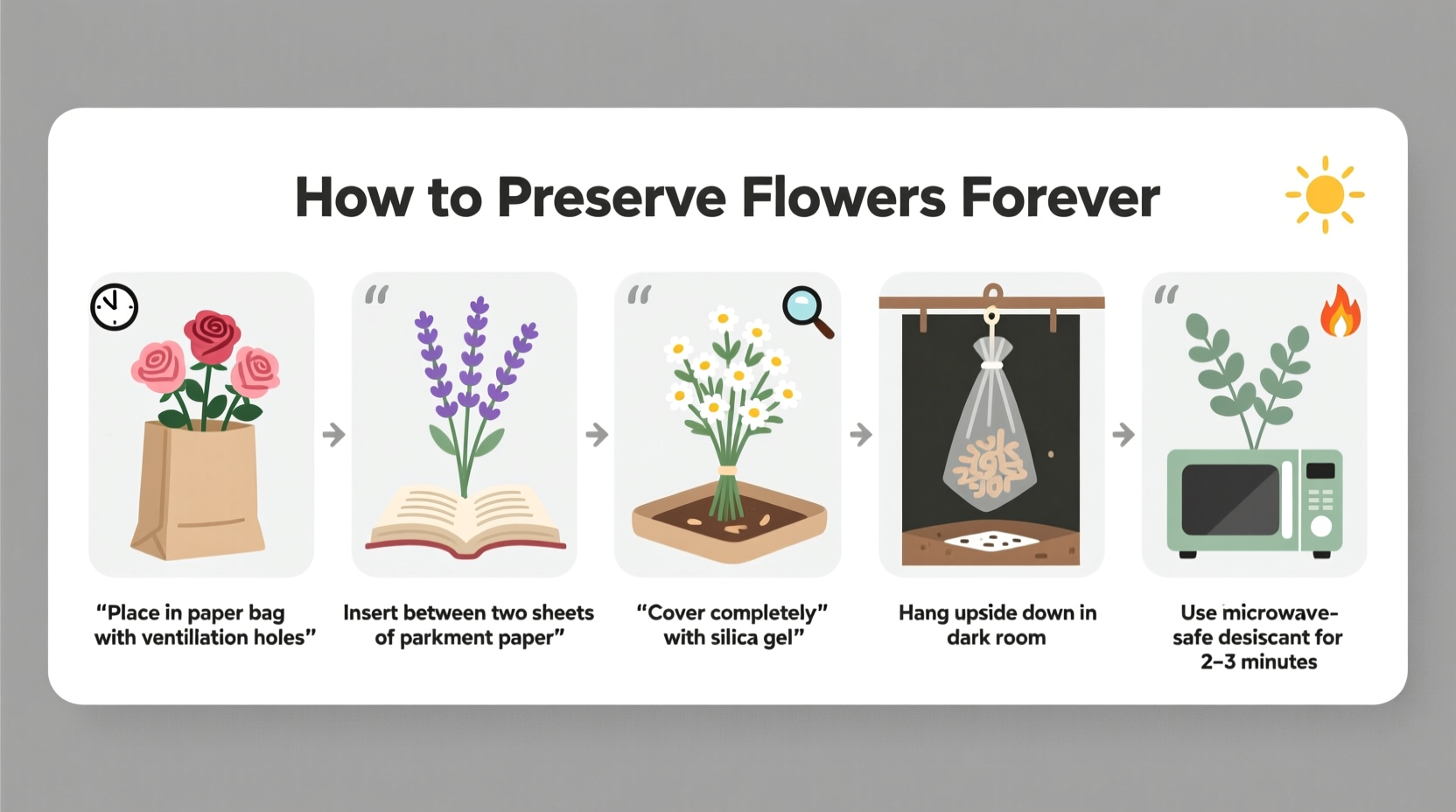
Air drying is the oldest and simplest method of preserving flowers. It relies on natural airflow and low humidity to slowly remove moisture while maintaining shape and structure. Best suited for hardy-stemmed flowers like lavender, baby’s breath, yarrow, and statice, this technique works well for creating rustic arrangements or decorative bundles.
To air dry flowers successfully:
- Cut stems to 6–8 inches long.
- Remove excess foliage that could trap moisture.
- Group 5–7 stems together and secure with a rubber band or twine.
- Hang upside down in a dark, warm, and well-ventilated space—such as a closet or attic—for 2–3 weeks.
Darkness helps retain color, as sunlight can cause fading. Avoid humid areas like bathrooms, where mold may develop. Once fully dried, the flowers will feel crisp and lightweight. Store them upright in a box or display under glass to prevent breakage.
Flower Pressing: For Flat, Delicate Keepsakes
Pressing is ideal if you want to preserve petals for crafts, journals, or framed art. This method flattens flowers between absorbent materials, removing moisture through compression and evaporation. While it changes the three-dimensional form, it excels at capturing fine details and vibrant hues—especially in flat-faced blooms like pansies, daisies, and violets.
Two pressing options are available: book pressing and frame pressing.
- Book Pressing: Place flowers between two sheets of parchment paper inside a heavy book (like a dictionary). Stack additional books on top for pressure. Check after 7–10 days.
- Frame Pressing: Use a purpose-built flower press or create one with two wooden boards and bolts. Insert blotting paper and flowers in layers. Tighten the bolts weekly as stems shrink.
Choose fresh, slightly opened flowers with minimal moisture. Overly wet blooms may discolor or rot. After pressing, handle gently—dried petals are fragile. Use acid-free paper to avoid yellowing over time.
“Pressed flowers can last decades when protected from light and humidity. They’re not just decor—they’re heirlooms.” — Dr. Lydia Chen, Botanical Archivist
Silica Gel Drying: Preserve Shape and Color
For those seeking museum-quality results, silica gel offers the most effective way to maintain a flower’s original shape and vibrancy. This desiccant absorbs moisture rapidly, minimizing shrinkage and distortion. Commonly used in shoe packaging and electronics, food-grade silica gel is safe and reusable.
This method suits delicate or round-shaped flowers like roses, orchids, and peonies—varieties that often collapse when air-dried.
Step-by-Step Guide: Silica Gel Method
- Trim stems to 2–3 inches.
- Pour a 1-inch layer of silica gel into an airtight container.
- Gently place flowers face-up, ensuring they don’t touch.
- Slowly sift more silica gel around and over each bloom until fully covered.
- Seal the container and leave undisturbed for 3–7 days.
- Carefully pour off the gel and brush away residue with a soft paintbrush.
The result is a near-lifelike bloom, slightly stiffer to the touch but rich in color. Store preserved flowers in a sealed display case away from direct sunlight. Reuse the silica gel by baking it at 250°F for 2 hours to release absorbed moisture.
Choosing the Right Method: A Comparison
Not all flowers respond the same way to drying. Selecting the best method depends on the type of bloom, desired outcome, and available time. The table below summarizes key factors to help you decide.
| Method | Best For | Drying Time | Color Retention | Shape Preservation |
|---|---|---|---|---|
| Air Drying | Lavender, strawflower, gomphrena | 2–3 weeks | Moderate (fades in light) | Good (stems remain intact) |
| Pressing | Violets, ferns, daisies | 1–2 weeks | High (if kept dark) | Poor (flat only) |
| Silica Gel | Roses, lilies, hydrangeas | 3–7 days | Excellent | Excellent |
Note that some flowers, like hydrangeas, dry well in multiple ways. Air-dried hydrangeas take on a vintage look, while silica-dried ones keep their full, lush appearance. Experimentation can yield beautiful variations.
Common Mistakes That Ruin Preserved Flowers
Even careful attempts can fail due to overlooked errors. Avoid these pitfalls to ensure success:
- Using damp flowers: Always start with dry blooms—never water-spritzed or dew-covered.
- Skipping prep work: Removing leaves prevents mold and speeds drying.
- Exposing to sunlight: UV rays fade pigments quickly. Store and dry in shaded areas.
- Impatience: Opening containers too early traps moisture, leading to mildew.
- Storing improperly: Keep dried flowers in sealed containers with desiccants in dry environments.
Humidity above 60% significantly increases the risk of deterioration. In damp climates, include moisture-absorbing packets in storage boxes.
Real Example: Saving a Wedding Bouquet
Sophie, a teacher from Vermont, wanted to preserve her summer wedding bouquet—a mix of garden roses, eucalyptus, and dahlias. She knew air drying would flatten the roses, so she opted for a hybrid approach. She removed individual roses and dried them in silica gel, preserving their fullness. The eucalyptus and filler greens were bundled and air-dried upside down in her linen closet. The central dahlia, too large for gel, was carefully pressed between blotting paper.
After three weeks, she reassembled elements into a shadow box frame. Ten years later, the display still hangs in her bedroom, a daily reminder of her wedding day. “I didn’t think it would last this long,” she says. “But I followed the steps exactly—and kept it out of the sun.”
DIY Preservation Checklist
Follow this checklist to ensure every step is covered before starting:
- ☐ Pick flowers at peak freshness, preferably in the morning after dew evaporates
- ☐ Trim stems and remove excess leaves
- ☐ Choose the right method based on flower type and desired result
- ☐ Prepare drying space: dark, warm, ventilated, and dry
- ☐ Use clean containers, silica gel, or pressing materials
- ☐ Label containers with date and flower type
- ☐ Allow adequate drying time—do not rush
- ☐ Store finished pieces in protective enclosures away from light and moisture
Advanced Tips for Long-Term Display
Preservation doesn’t end at drying. How you store and present your flowers determines how long they last. Consider these enhancements:
- Seal with hairspray: Lightly spray air-dried bouquets to strengthen petals and reduce shedding. Hold 12 inches away and apply in short bursts.
- Use UV-protective glass: When framing, choose museum-grade acrylic or glass that blocks ultraviolet light.
- Add desiccant packs: Include small moisture absorbers in display cases to combat humidity.
- Rotate displays: If showing publicly, rotate exhibits seasonally to limit light exposure.
For sentimental bouquets, consider preserving one focal flower with silica gel and pressing others for a multi-format memorial display.
Frequently Asked Questions
Can I preserve any type of flower?
Most flowers can be preserved, but success varies. Thick-petaled blooms like roses, chrysanthemums, and marigolds dry well. Thin, fleshy flowers like tulips or poppies tend to shrivel or discolor and are harder to preserve effectively.
How long do dried flowers last?
With proper care, dried flowers can last 1–5 years or longer. Pressed or silica-dried specimens stored in controlled environments may remain intact for decades. Exposure to light, humidity, and physical handling are the main causes of degradation.
Is silica gel safe to use at home?
Yes, food-grade silica gel is non-toxic and safe for home use. However, it should not be ingested and must be kept away from children and pets. Never microwave silica gel unless specified by the manufacturer.
Final Thoughts: Turn Fleeting Beauty Into Lasting Memory
Drying flowers isn’t just about stopping time—it’s about honoring moments that matter. These simple DIY methods put professional-level preservation within reach of anyone with a pair of scissors and a bit of patience. Whether you’re saving a prom bouquet, commemorating a loss, or crafting gifts from garden harvests, the process connects you more deeply to nature’s rhythms.
The key is choosing the right method for your flowers and environment, then protecting your work once complete. With attention to detail, even a simple bunch of supermarket carnations can become a cherished artifact.




 浙公网安备
33010002000092号
浙公网安备
33010002000092号 浙B2-20120091-4
Comments
No comments yet. Why don't you start the discussion?