
Every holiday season, millions of homes light up with festive cheer—until the moment someone pulls out last year’s Christmas lights. What should be a joyful setup turns into a frustrating puzzle of knots, loops, and snarls. The problem isn’t just annoying; it wastes time, risks damaging delicate wiring, and can even shorten the lifespan of your lights. But this doesn’t have to happen every year. With a few smart, practical strategies, you can store your Christmas lights so they come out exactly as you left them: neat, untangled, and ready to shine.
The key lies not in expensive gadgets or complicated systems, but in consistent habits and clever use of everyday items. Whether you have a single string of fairy lights or dozens of strands for an elaborate display, the principles remain the same. Proper winding techniques, protective storage solutions, and mindful organization can make all the difference.
Why Christmas Lights Tangle—and How to Stop It
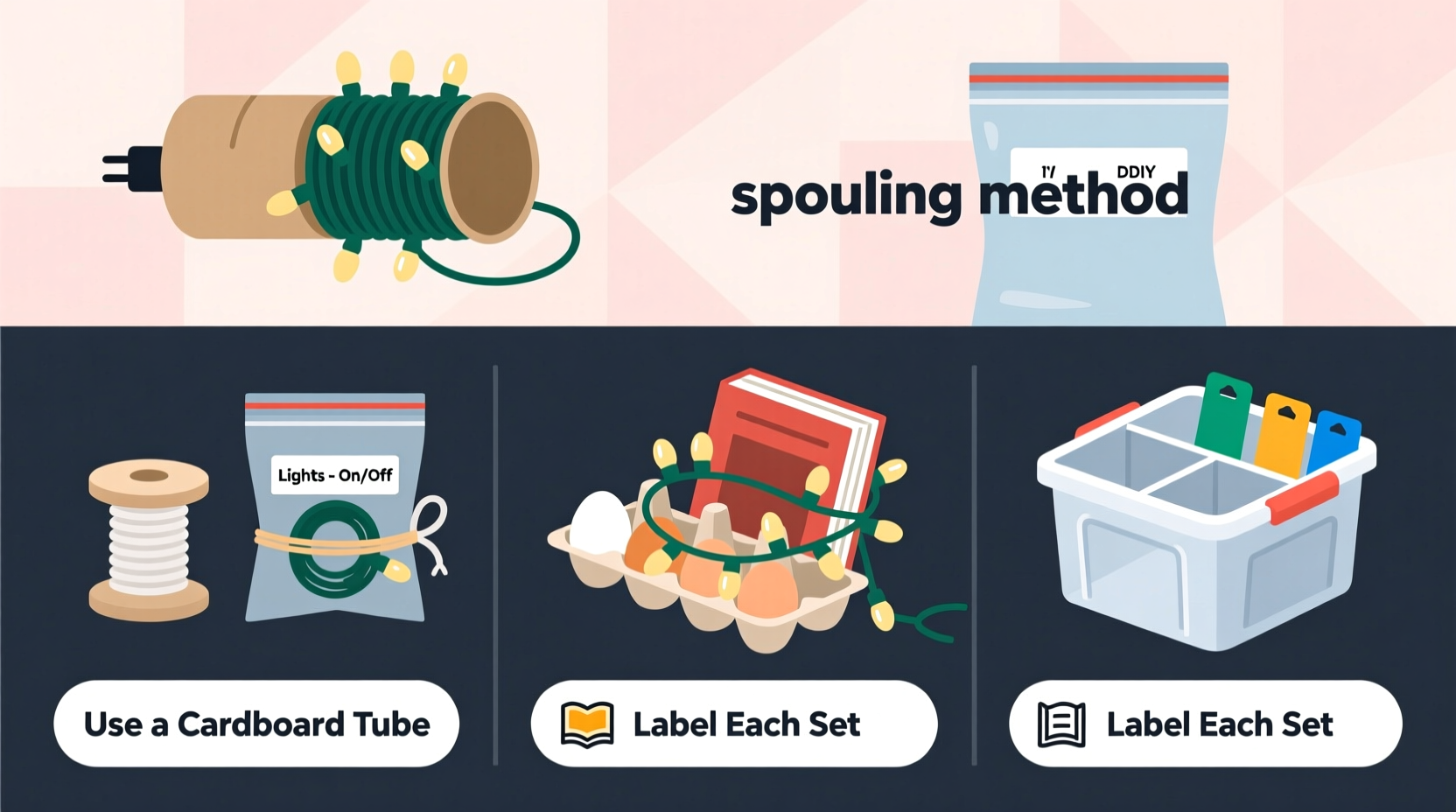
At first glance, a tangled mess of lights might seem inevitable. But physics and human behavior both play roles. When wires are loosely coiled and stuffed into bins, movement during storage causes internal friction and shifting. Over time, especially with temperature changes and jostling, these coils twist and loop around each other, forming stubborn knots.
According to Dr. Mark Ellison, a materials physicist at the University of Michigan, “Long, flexible strands like light cords behave similarly to polymers in solution—they naturally seek entangled states unless constrained properly. The more freedom they have to move, the higher the chance of tangling.” This means that simply throwing lights into a box is practically inviting chaos.
“Proper restraint and structured winding drastically reduce entropy in stored cords. Think of it like folding proteins—order prevents degradation.” — Dr. Mark Ellison, Materials Physicist
The good news? You don’t need a lab coat to apply this principle. By introducing structure and minimizing movement, you can keep your lights organized and functional for years.
Step-by-Step: The Right Way to Wind and Store Christmas Lights
How you wind your lights before storage determines whether you’ll spend 10 minutes or 45 minutes untangling them next December. Follow this proven sequence for reliable results:
- Unplug and inspect: Before winding, check each strand for broken bulbs, frayed wires, or loose connectors. Replace or repair faulty sections now to avoid issues later.
- Clean gently: Wipe down cords with a dry or slightly damp cloth to remove dust and outdoor grime. Let them air-dry completely before storing.
- Start at the plug end: Always begin winding from the plug side. This ensures the heaviest part (the plug) stays secure and doesn’t pull on the coil.
- Use the over-under method: Instead of wrapping lights in a continuous clockwise motion, alternate directions every few inches—over one hand, under the next. This prevents twist buildup and keeps tension balanced.
- Secure the ends: Once fully wound, use a twist tie, Velcro strap, or reusable zip tie to fasten the bundle. Avoid tight rubber bands, which degrade and snap over time.
- Label if needed: If you have multiple types (e.g., warm white, cool white, multicolor), label the bundle or storage container for easy identification.
- Store flat and protected: Place the coil in a rigid container or wrap it in tissue paper to prevent crushing and compression.
Simple Household Hacks to Keep Lights Tangle-Free
You don’t need specialty products to protect your lights. Many common household items work just as well—if not better—than commercial organizers. Here are five budget-friendly solutions:
- Paper Towel or Toilet Paper Rolls: Slide each strand through the center of a cardboard tube. The rigid interior prevents collapsing and knotting. Seal both ends with tape or stickers labeled by color or location (e.g., “Front Porch” or “Tree”).
- Hangers with Clips: Use old wire hangers or plastic garment hangers with built-in clips. Wrap lights around the bar and clip the ends securely. Hang vertically in a closet or garage to save space.
- Shoeboxes with Slits: Cut small notches along the edges of a shoebox lid. Feed the plug through one slit and wind the lights around the box. Close the lid to lock everything in place.
- 3D-Printed or DIY Spools: If you’re craft-inclined, create custom spools from wood, PVC, or even thick cardboard. A simple cross-shaped design allows smooth winding and protects bulb ends.
- Velcro Cable Ties: These reusable straps hold coils tightly without damaging insulation. Unlike zip ties, they can be opened and reused hundreds of times.
These methods eliminate loose ends and restrict movement, addressing the root cause of tangles. Plus, most take less than a minute per strand.
Storage Do’s and Don’ts: A Practical Guide
Mistakes in storage often undo careful winding. To ensure long-term protection, follow best practices based on material durability and environmental factors.
| Do | Don’t |
|---|---|
| Store in a cool, dry place away from moisture and pests | Leave lights in damp basements or hot attics where wires can degrade |
| Use breathable containers like fabric bins or vented plastic boxes | Seal lights in airtight plastic bags where condensation can form |
| Keep away from sharp objects or heavy items that could crush bulbs | Stack heavy decorations on top of light boxes |
| Separate LED and incandescent strands to avoid heat damage | Mix different light types without padding between them |
| Check annually for wear and test functionality before reuse | Assume lights still work after years in storage without inspection |
Real-Life Example: How One Family Solved Their Lighting Chaos
The Thompson family in Portland, Oregon, used to spend nearly two full days every December untangling and repairing their holiday lights. They had over 1,200 feet of various strands—some inherited, others collected over decades. Every year, frustration mounted as bulbs burned out mid-unraveling, and extension cords snapped under stress.
In 2022, Sarah Thompson, a high school science teacher, decided to treat the problem systematically. She introduced the over-under winding method, repurposed empty gift wrap tubes for storage, and labeled every strand by location and color. She also created a simple checklist posted on the garage wall: “Unplug → Inspect → Clean → Wind → Secure → Label → Store.”
Last holiday season, the entire lighting setup took just three hours—including testing. Not a single strand was tangled. “It felt like magic,” she said. “But really, it was just consistency and a little forethought.”
Essential Checklist: Prepare Your Lights for Tangle-Free Storage
Before putting your lights away this January, run through this final checklist to ensure they stay pristine until next season:
- ✅ Test each strand for full illumination
- ✅ Replace any burnt-out bulbs or damaged fuses
- ✅ Clean cords with a dry microfiber cloth
- ✅ Wind using the over-under technique from the plug end
- ✅ Secure with Velcro strap or twist tie (not rubber band)
- ✅ Store inside a protective tube, box, or on a spool
- ✅ Label by location, color, and length
- ✅ Place in a climate-stable, pest-free area
- ✅ Keep away from direct sunlight and sharp objects
- ✅ Add a moisture absorber like silica gel
Completing this list once saves hours of labor later. Treat post-holiday storage as part of your seasonal routine—just like taking down the tree.
Frequently Asked Questions
Can I use masking tape to secure my light coils?
Masking tape can work temporarily, but it tends to lose adhesion over time and may leave residue. For long-term storage, opt for reusable options like Velcro straps or twist ties, which provide consistent hold without damage.
Is it safe to store Christmas lights in the attic?
Attics are often too hot in summer and too cold in winter, leading to thermal expansion and contraction that weakens wiring. Humidity fluctuations can also promote corrosion. If you must store lights in the attic, use sealed, insulated containers and elevate them off the floor to avoid moisture exposure.
What’s the best way to store pre-lit artificial trees?
For pre-lit trees, follow the manufacturer’s folding pattern carefully. Many come with built-in cord management. If not, manually tuck excess wiring into designated branches or use soft fabric ties to secure loose strands before collapsing the tree. Store the entire tree in a dedicated bag with ventilation panels.
Conclusion: Make Next Year Easier—Start Today
The holiday season should bring joy, not frustration. A few deliberate actions in January can transform your December experience for years to come. Preventing Christmas lights from tangling isn’t about perfection—it’s about consistency, simplicity, and smart habits. By winding correctly, using accessible storage aids, and organizing thoughtfully, you reclaim time, reduce waste, and protect your investment.
Don’t wait until next November to fix this. As soon as the decorations come down, take 15 extra minutes to prepare your lights properly. Future-you will walk into the next holiday season calm, prepared, and ready to celebrate—not untangle.




 浙公网安备
33010002000092号
浙公网安备
33010002000092号 浙B2-20120091-4
Comments
No comments yet. Why don't you start the discussion?