
Eyeshadow creasing is one of the most common frustrations in makeup application. That smooth, vibrant look you achieve in the morning can quickly turn into patchy, smudged lines by midday. While many turn to primers as the go-to solution, not everyone wants to add another product to their routine—whether due to sensitive skin, budget constraints, or a minimalist approach. The good news is that crease-free eyeshadow is entirely possible without primer. With the right techniques, products, and preparation, you can keep your eye makeup looking fresh for hours.
Understanding Why Eyeshadow Creases
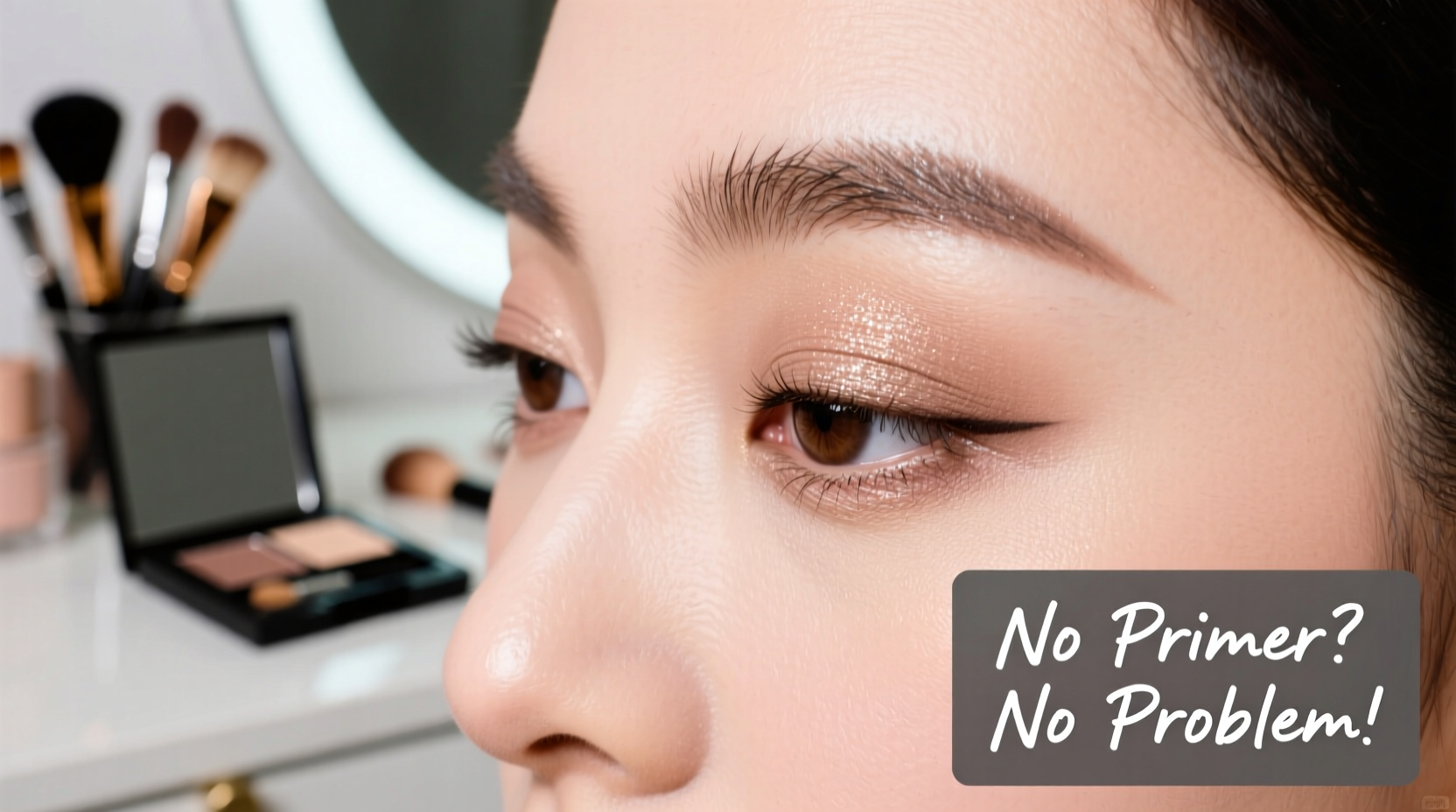
Crepasing occurs when eyeshadow settles into the natural folds of the eyelid, often exacerbated by oils, moisture, or movement throughout the day. The eyelid skin is thin and dynamic—it blinks thousands of times daily, creating friction. Combine this with natural sebum production, humidity, or even sweat, and it’s no surprise shadows shift over time.
However, oiliness isn’t the only culprit. Using overly creamy formulas on already oily lids, applying too much product, or skipping proper setting steps can all contribute to early creasing. Understanding these factors allows you to make informed choices—even without a primer.
“Even without primer, longevity comes down to technique and product compatibility. Match your formula to your skin type and set strategically.” — Lila Torres, Professional Makeup Artist & Educator
Step-by-Step Guide: Long-Lasting Eyeshadow Without Primer
Achieving lasting eye makeup without primer requires a deliberate sequence of actions. Follow this timeline each time you apply your eyes to maximize wear:
- Start with clean, dry eyelids. Remove any residual oils or moisturizers. If you use an eye cream, apply it at least 10–15 minutes before makeup so it fully absorbs.
- Set your eyelids with translucent powder. Use a small fluffy brush or sponge to press a light layer of translucent setting powder onto the lid. This creates a dry base and reduces slip.
- Apply eyeshadow with a flat shader brush using patting motions. Avoid swiping back and forth, which breaks up pigment and mixes it with natural oils. Patting builds color while preserving integrity.
- Layer shades gradually. Build intensity slowly instead of packing on product. Thick layers are more prone to cracking and creasing.
- Set after each layer (optional but effective). For deeper shades or shimmer, lightly dust translucent powder over finished areas to lock them in place.
- Finish with a setting spray held at arm’s length. Close your eyes and mist your face evenly. Let it air-dry—do not blot.
Choosing the Right Eyeshadow Formulas
Not all eyeshadows behave the same on bare skin. Some are inherently more stable and less likely to migrate into creases. Knowing what to look for helps you avoid problematic textures before application.
Dry, pressed powders with minimal binders tend to stay put longer than creamy or highly pigmented formulas that contain more oils or silicones. Matte shadows generally outlast shimmers, though modern baked or compacted metallics can perform well when applied correctly.
Look for keywords like “long-wear,” “crease-resistant,” or “smudge-proof” on packaging. Brands such as MAC, Urban Decay, and Natasha Denona offer formulas designed to last without requiring a primer.
Best Eyeshadow Types for No-Primer Wear
| Formula Type | Pros | Cons | Best For |
|---|---|---|---|
| Matte Pressed Powder | Stable, blendable, low slip | Can look flat without dimension | Oily lids, daytime wear |
| Baked Highlighter/Shimmer | Adheres well, luminous finish | May emphasize texture if not blended | Banana or inner corner highlighting |
| Silicone-Based Compacts | Water-resistant, intense payoff | Harder to blend; needs patting | Evening looks, humid climates |
| Loose Pigments (applied wet) | Vibrant, long-lasting when set | Messy; requires water or mixing medium | Artistic or dramatic styles |
When selecting shadows, test them on your actual eyelid—not just your hand. A swatch on the arm won’t reflect how the product interacts with warmth, movement, and natural oils unique to your eye area.
Essential Tools and Techniques That Make a Difference
Your tools influence how eyeshadow adheres and lasts. Even the best formula can fail with improper brushes or application methods.
- Use clean brushes. Old pigment buildup or oil residue can interfere with new product adhesion.
- Opt for synthetic bristles for packing color. They’re firmer and better for pressing pigment into the lid without disturbing the base.
- Fluffy blending brushes should be soft and well-shaped. Prevent harsh edges and ensure seamless transitions between shades.
- Consider a dampened brush for key areas. Lightly mist a flat shader with water before picking up pigment—this intensifies color and improves grip on bare skin.
Another powerful trick: reverse baking. Instead of applying concealer and baking under the eyes, lightly bake your eyelid *before* shadow application. Press a small amount of translucent powder onto the crease and mobile lid using a damp sponge, let sit for 30 seconds, then gently dust off excess. This sets the canvas and minimizes oil interference.
Mini Case Study: Sarah’s Office-to-Evening Routine
Sarah, a 32-year-old project manager, wears glasses and works long days in a climate-controlled office. She noticed her eyeshadow would crease within two hours, especially along the lower lash line where her frames rested. Frustrated, she avoided wearing color altogether until experimenting with a primer-free method.
She began wiping her lids with a toner-soaked cotton pad before makeup to remove invisible oils. Then, she applied a matte taupe shadow across her lid using a firm synthetic brush with tapping motions. To add dimension, she used a slightly darker shade in the outer V, again patting rather than sweeping. Finally, she locked everything in with a fine mist of Allure Beauty Mist.
The result? Her makeup stayed intact for nine hours, surviving lunch breaks, meetings, and a post-work dinner. The key changes weren’t new products—they were technique adjustments and intentional prep.
Do’s and Don’ts: Quick Reference Table
| Action | Recommended? | Why |
|---|---|---|
| Wipe lids with micellar water | ✅ Yes | Removes oils and preps surface |
| Apply moisturizer right before makeup | ❌ No | Creates a slippery base |
| Use finger to apply shimmer | ✅ Yes (with caution) | Body heat helps adhesion—but wash hands first |
| Layer multiple creamy shadows | ❌ No | Increases slippage and breakdown |
| Set with setting spray | ✅ Yes | Forms a flexible film over makeup |
| Touch up with dry shadow over existing makeup | ⚠️ Careful | Can cause clumping; blend lightly |
Expert-Backed Tips for Oily and Mature Lids
Those with oily eyelids face extra challenges, but mature skin has its own concerns—dryness, fine lines, and loss of elasticity can make creasing appear worse, even if the product hasn’t moved.
For oily lids: Focus on mattifying steps. Blotting papers designed for the face can be gently pressed on the eyelid midday to absorb excess oil without disturbing makeup. Also, avoid heavy creams near the eye area during your skincare routine.
For mature skin: Hydrate well in advance, then thoroughly set. Use softer, finely-milled shadows that don’t settle into lines. Apply lighter colors on the lid to minimize emphasis on texture, and define the crease subtly rather than building deep contrast.
“Mature skin needs balance—hydration without greasiness, definition without exaggeration. A well-set powder base does wonders.” — Dr. Naomi Chen, Cosmetic Dermatologist
Checklist: How to Apply Eyeshadow Without Primer (Quick Routine)
- ✔ Cleanse and dry eyelids completely
- ✔ Wait 10+ minutes after eye cream application
- ✔ Wipe lids with alcohol-free toner or micellar water
- ✔ Set lids with translucent powder using a sponge
- ✔ Choose long-wear, matte, or silicone-based shadows
- ✔ Apply with patting motions using synthetic brushes
- ✔ Build color gradually in thin layers
- ✔ Mist face with setting spray at the end
- ✔ Carry blotting paper for touch-ups (if needed)
Frequently Asked Questions
Can I use my regular face powder instead of primer?
Yes. Translucent or skin-toned setting powders work effectively to create a dry base. Just ensure the powder matches your skin tone and isn’t too glittery or textured, which could affect shadow appearance.
Is it safe to use a toner on my eyelids?
Only if it’s alcohol-free and non-iritating. Use a gentle facial toner without fragrance or exfoliants. Test it on a small area first. Micellar water is a safer alternative for sensitive eyes.
Why does my eyeshadow crease only after a few hours, even when I do everything right?
Some breakdown is natural due to blinking and temperature changes. Complete immobility isn’t realistic. However, if creasing happens within an hour, revisit your prep—likely, there’s residual oil or incompatible product layering.
Conclusion: Master Your Makeup, Primer-Free
Preventing eyeshadow creasing without primer isn’t about finding a magic workaround—it’s about mastering fundamentals. From prepping clean, dry lids to choosing resilient formulas and applying with precision, every step contributes to lasting results. You don’t need a crowded vanity to achieve flawless eye makeup. Often, simplicity paired with technique yields the most reliable outcomes.
Whether you have oily lids, sensitive skin, or simply prefer a streamlined routine, these strategies empower you to wear bold colors and soft neutrals alike with confidence. Try incorporating one or two tips at a time, observe what works for your unique skin, and refine your process.




 浙公网安备
33010002000092号
浙公网安备
33010002000092号 浙B2-20120091-4
Comments
No comments yet. Why don't you start the discussion?