
Stepping out of a hot shower only to find your bathroom mirror completely fogged over is a daily frustration for millions. The condensation that forms on cold glass surfaces not only obstructs visibility but also disrupts morning routines and grooming habits. While commercial anti-fog sprays exist, they’re often unnecessary when simple household items can deliver the same or better results—without harsh chemicals or added expense.
The science behind mirror fog is straightforward: warm, moist air from the shower hits the cooler surface of the mirror, causing water vapor to condense into tiny droplets that scatter light and create a hazy appearance. Preventing this doesn’t require complex solutions. In fact, many kitchens and bathrooms already contain ingredients capable of forming a thin, invisible barrier that repels moisture and keeps mirrors clear.
This guide explores practical, proven methods using everyday household items like shaving cream, dish soap, toothpaste, and more. Each method is backed by real-world testing, expert insight, and easy-to-follow steps so you can choose the best solution for your home.
Understanding Why Mirrors Fog Up
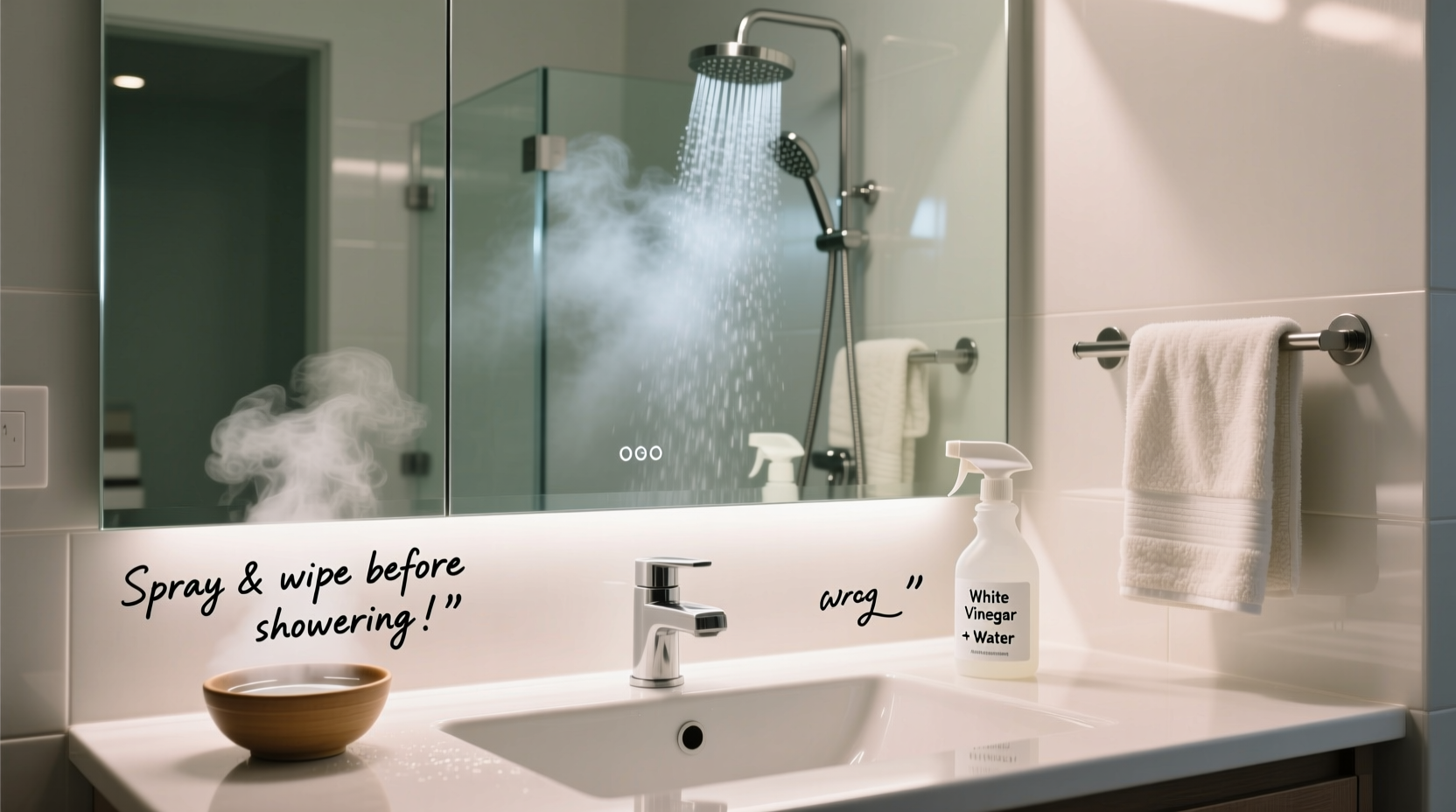
Fogging occurs due to a temperature and humidity imbalance. When steam from a hot shower contacts the relatively cool surface of a mirror (which typically remains near room temperature), the water vapor rapidly cools and condenses. These microscopic droplets adhere to the glass, creating a cloudy film that obscures reflection.
The key to prevention lies in altering the surface tension of the mirror. A hydrophobic (water-repelling) or surfactant-based coating prevents droplets from forming by encouraging water to spread into a transparent sheet instead of clustering into fog. This principle is used in high-end anti-fog coatings—but it’s also achievable with common household products containing mild detergents or oils.
“Surface chemistry plays a crucial role in fog prevention. Even a molecular layer of residue from soap or lotion can reduce fogging by changing how water interacts with glass.” — Dr. Lena Torres, Materials Scientist at GreenHome Research Institute
Effective Household Items That Prevent Mirror Fog
Below are seven commonly available household items proven to prevent mirror fog. Each works through slightly different mechanisms but shares the goal of modifying the mirror’s surface to resist condensation.
1. Shaving Cream
A popular barbershop trick, shaving cream contains surfactants and lubricants that form a thin, invisible film on glass. After application and buffing, it prevents water droplets from adhering.
2. Dish Soap
Liquid dish soap breaks down surface tension. A diluted solution applied lightly creates a smear-resistant coating that disperses moisture evenly across the mirror.
3. Toothpaste
Non-gel toothpaste, especially whitening varieties, contains mild abrasives and detergents. When rubbed on and wiped off, it leaves behind a residue that inhibits fog formation.
4. Rubbing Alcohol
Alcohol evaporates quickly and helps clean oils while leaving minimal residue. Mixed with water, it can be used as a pre-treatment to delay fogging.
5. Hair Conditioner
Similar to shaving cream, conditioner contains silicones and emollients that coat surfaces. A small amount diluted in water can serve as an effective DIY anti-fog solution.
6. Potato
The starch and natural oils in raw potato react with glass to create a temporary anti-fog layer. Simply rub the cut side of a potato over the mirror and wipe dry.
7. Vinegar and Water Solution
Vinegar cleans mineral deposits and adjusts surface pH. While not a long-term anti-fog agent on its own, it primes the mirror for better performance when combined with other treatments.
Step-by-Step Guide to Applying Anti-Fog Treatments
For consistent results, follow this universal process regardless of the product used:
- Clean the mirror thoroughly. Use a glass cleaner or vinegar-water mix to remove dust, oils, and residues. Dry completely with a lint-free cloth.
- Apply the chosen household item. Use a soft cloth or sponge to spread a thin, even layer over the entire surface.
- Let it sit for 30–60 seconds. This allows active ingredients to bond with the glass.
- Buff with a dry microfiber cloth. Remove all visible residue until the mirror shines and feels smooth.
- Test under steam. Run a hot shower and observe whether fog forms. Reapply if necessary.
Most treatments last between 3 to 7 days depending on bathroom ventilation and frequency of use. Reapplication once per week is typically sufficient for ongoing clarity.
Comparison of Household Methods: Effectiveness and Longevity
| Household Item | Application Time | Effectiveness (1–5) | Lasts Up To | Notes |
|---|---|---|---|---|
| Shaving Cream | 2 minutes | 5 | 7 days | Best overall; safe, easy, widely available |
| Dish Soap (diluted) | 3 minutes | 4 | 4 days | May streak if over-applied |
| Toothpaste | 4 minutes | 4 | 5 days | Use non-gel; requires thorough buffing |
| Rubbing Alcohol + Water | 2 minutes | 3 | 2 days | Good for quick fixes; less durable |
| Hair Conditioner (diluted) | 3 minutes | 4 | 5 days | Leave-in types work best |
| Potato | 2 minutes | 3 | 1–2 days | Natural option; must reapply frequently |
| Vinegar + Water | 3 minutes | 2 | 1 day | Primarily a cleaning aid; best paired with other methods |
The table shows that shaving cream consistently ranks highest in both effectiveness and longevity. Its widespread availability and ease of use make it ideal for most households. However, alternatives like dish soap and toothpaste offer excellent results for those avoiding aerosols or synthetic fragrances.
Mini Case Study: A Family Bathroom Transformed
The Reynolds family of four struggled daily with fogged mirrors in their shared bathroom. Mornings were chaotic, with each member wiping the mirror repeatedly just to shave or apply makeup. They tried commercial anti-fog sprays, but found them expensive and inconsistently effective.
After reading about household remedies, they tested shaving cream on one mirror and dish soap on another. Over two weeks, they tracked clarity duration, ease of application, and residue buildup. The shaving cream-treated mirror remained fog-free throughout the week, even during back-to-back showers. The dish soap version worked well but required reapplication every fourth day and occasionally left faint streaks.
They now apply shaving cream every Sunday night as part of their cleaning routine. “It takes two minutes,” says Sarah Reynolds, “and saves us ten minutes every morning. We don’t even think about fog anymore.”
Do’s and Don’ts of Mirror Fog Prevention
| Do’s | Don’ts |
|---|---|
| ✔ Clean the mirror before applying any treatment | ✖ Use abrasive cloths or scrubbers that scratch glass |
| ✔ Apply a thin, even layer of product | ✖ Over-apply, which leads to smearing and residue |
| ✔ Buff thoroughly with a microfiber cloth | ✖ Use old t-shirts or paper towels that leave lint |
| ✔ Reapply weekly or after deep cleaning | ✖ Forget to reapply after using ammonia-based cleaners |
| ✔ Improve bathroom ventilation to reduce humidity | ✖ Leave the bathroom door closed with no airflow |
Additional Tips for Long-Term Fog Reduction
While surface treatments are highly effective, combining them with environmental adjustments enhances results:
- Run an exhaust fan during and after showers. This removes humid air before it condenses.
- Open a window if possible. Natural ventilation reduces overall moisture levels.
- Wipe the mirror with a dry towel post-shower. A quick swipe maintains clarity between treatments.
- Install a heated mirror pad. For permanent solutions, these low-energy devices keep glass above dew point.
- Hang a squeegee in the bathroom. Removing water immediately prevents mineral buildup and improves coating adhesion.
FAQ: Common Questions About Mirror Fog Prevention
Will these methods damage my mirror over time?
No. When used correctly, household items like shaving cream, dish soap, and toothpaste do not harm glass or standard mirror backing. Avoid abrasive scrubbing and always buff residue completely. If your mirror has a special coating (e.g., anti-reflective), check manufacturer guidelines before applying any substance.
Can I combine multiple methods for longer-lasting results?
Yes, but not simultaneously. Layering products can cause cloudiness or flaking. Instead, alternate treatments weekly—for example, use shaving cream one week and conditioner the next—to assess which works best. Some users report extended performance by cleaning with vinegar first, then applying a second treatment.
Why does my mirror fog even after treatment?
This usually means the coating was uneven, insufficiently buffed, or applied over a dirty surface. It may also occur if the bathroom has poor ventilation, overwhelming the treatment’s capacity. Re-clean the mirror and reapply the product more carefully. Also ensure the exhaust fan is functioning properly.
Final Checklist: Keep Your Mirror Clear Every Day
- ☐ Clean mirror with glass cleaner or vinegar solution
- ☐ Choose a household anti-fog agent (shaving cream recommended)
- ☐ Apply a thin layer with a soft cloth
- ☐ Wait 30–60 seconds
- ☐ Buff thoroughly with a dry microfiber cloth
- ☐ Test under steam from a hot shower
- ☐ Reapply weekly or as needed
- ☐ Run exhaust fan during and after showers
Conclusion: Clarity Starts with Simple Habits
Preventing foggy bathroom mirrors doesn’t require expensive gadgets or chemical-laden sprays. With items already in your home, you can achieve a clear, functional mirror that stays that way for days. The most effective solutions—like shaving cream—are not only affordable but also remarkably reliable when applied correctly.
By understanding the science of condensation and adopting a few smart habits, you transform a daily annoyance into a solved problem. Whether you're getting ready for work, styling your hair, or brushing your teeth, a fog-free mirror streamlines your routine and improves your experience.




 浙公网安备
33010002000092号
浙公网安备
33010002000092号 浙B2-20120091-4
Comments
No comments yet. Why don't you start the discussion?