
Humidity is the silent enemy of defined curls. On muggy mornings, even the most carefully styled wash-and-go can transform into a voluminous halo of frizz within minutes of stepping outside. For those with naturally curly or wavy hair, this daily battle isn’t just frustrating—it can feel inevitable. But it doesn’t have to be. Frizz occurs when the hair shaft absorbs excess moisture from the air, causing the cuticle to lift and strands to swell. The good news? With the right techniques, products, and habits, you can maintain smooth, bouncy curls—even in 90% humidity.
This guide breaks down the science behind frizz, outlines proven prevention strategies, and delivers actionable steps to help you lock in definition and reduce puffiness regardless of the weather forecast.
Understanding Why Humidity Causes Frizz in Curly Hair
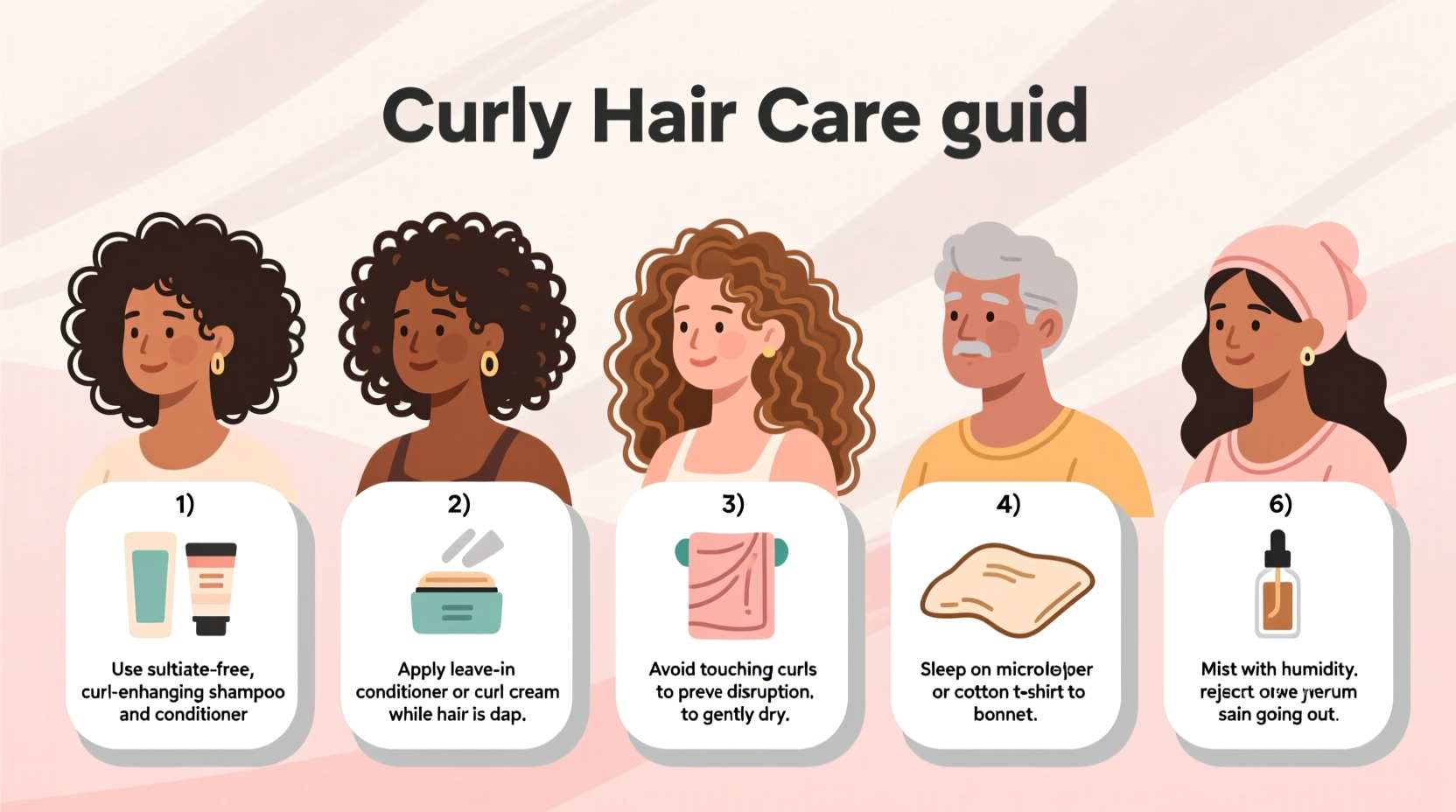
Curly hair has a naturally raised cuticle layer compared to straight hair, making it more porous and vulnerable to environmental changes. When humidity levels rise, water molecules in the air are drawn into the hair shaft through a process called hygroscopy. As the cortex swells, the cuticle lifts, disrupting curl pattern and creating that familiar fuzzy, undefined look.
The issue is compounded by dryness. Dehydrated curls seek moisture aggressively, accelerating the absorption process. This means under-moisturized hair frizzes faster and more severely than well-conditioned curls—even at moderate humidity levels.
“Hair behaves like a sponge in humid conditions. If it’s already dry, it will pull in moisture rapidly, leading to swelling and frizz.” — Dr. Michelle Henry, Board-Certified Dermatologist and Hair Health Specialist
Additionally, protein overload or excessive buildup from silicones and sulfates can make hair brittle and less flexible, increasing susceptibility to frizz. The solution lies not in fighting humidity directly, but in preparing your hair to resist its effects.
Step-by-Step Routine to Prevent Frizz on Humid Days
A consistent regimen tailored to high-humidity environments can dramatically improve curl retention and minimize frizz. Follow this timeline-based routine for optimal results:
- Pre-Wash Treatment (Night Before Wash Day): Apply a lightweight oil blend (like jojoba or grapeseed) to ends and mid-lengths. This creates a mild barrier against over-penetration of water during washing, reducing post-wash swelling.
- Gentle Cleansing: Use a sulfate-free, low-lather cleanser. Avoid scrubbing the scalp harshly—use fingertips in circular motions to prevent cuticle disruption.
- Deep Conditioning: Apply a rich, emollient-based conditioner. Focus on mid-shaft to ends. Leave on for 15–30 minutes under a warm towel or heat cap to enhance penetration.
- Rinse with Cool Water: Finish your rinse with cool water to seal the cuticle and lock in moisture.
- Leave-In Application: While hair is soaking wet, apply a leave-in conditioner formulated with humectants like glycerin (in moderation) and film-forming agents such as flaxseed or aloe vera.
- Styling with Anti-Frizz Products: Layer a curl cream followed by a light gel. Use the “praying hands” method to smooth product down the hair shaft, minimizing disturbance to curl clumps.
- Diffuse or Air-Dry Strategically: If diffusing, use low heat and high airflow. Hover-dry sections without touching curls directly. For air drying, avoid touching hair while it dries.
- Seal and Protect: Once 80% dry, apply a pea-sized amount of anti-frizz serum or facial oil (like argan or marula) to ends and frizz-prone areas near the hairline.
Essential Product Types for Humidity Defense
Not all curl products perform equally in humid climates. Some ingredients attract moisture too aggressively, while others create a protective shield. Below is a comparison of key product categories and what to look for—and avoid.
| Product Type | Recommended Ingredients | Ingredients to Avoid | Purpose in Humid Conditions |
|---|---|---|---|
| Leave-In Conditioner | Aloe vera, panthenol, hydrolyzed proteins | Heavy silicones (dimethicone high on list) | Provides hydration without weighing down curls |
| Curl Cream | Shea butter, cetyl alcohol, behentrimonium methosulfate | Alcohol denat., mineral oil | Defines clumps and adds soft hold |
| Styling Gel | Polyvinylpyrrolidone (PVP), flaxseed gel, okra extract | High glycerin in tropical climates | Creates cast to lock in shape and block moisture |
| Anti-Frizz Serum | Argan oil, squalane, cyclopentasiloxane | Mineral oil, petrolatum (on fine curls) | Smooths surface and seals cuticle |
For those living in consistently humid regions, consider using gels with strong hold polymers. These form a flexible film around each curl, acting as a physical barrier to atmospheric moisture. Flaxseed gel, while natural, may not provide enough protection alone—layer it with a commercial gel for added defense.
Do’s and Don’ts for Managing Curly Hair in Humidity
Small behavioral changes can have an outsized impact on frizz control. The following checklist summarizes best practices and common pitfalls.
- Do refresh curls with a water + leave-in spray mix instead of rewetting with plain water.
- Do sleep on a satin pillowcase or use a satin bonnet to reduce friction-induced frizz.
- Do pineappple your hair at night (loose high ponytail secured with a scrunchie) to preserve curl structure.
- Do carry a travel-size anti-frizz serum for midday touch-ups.
- Don’t brush curls when dry—this disrupts clumps and increases flyaways.
- Don’t overuse glycerin-heavy products in tropical climates—glycerin attracts moisture relentlessly and can backfire in extreme humidity.
- Don’t skip deep conditioning—dry hair frizzes faster.
- Don’t touch your hair frequently during the day; oils and friction trigger puffiness.
Real-Life Example: How Lena Maintained Definition in Miami Summers
Lena, a 32-year-old graphic designer in Miami, struggled for years with her 3C curls turning into a frizzy cloud by 10 a.m. despite meticulous morning routines. After consulting a trichologist, she overhauled her regimen based on climate-specific needs.
She switched from a glycerin-rich curl jelly to a polymer-based gel with humidity-resistant properties. She began pre-pooing with grapeseed oil twice a week and incorporated a weekly protein treatment to strengthen her porous strands. Most importantly, she started applying a silicone-based serum to her crown and temples—the areas most exposed to humidity and prone to baby hairs lifting.
Within three weeks, her curl definition improved significantly. Even on days with 85% humidity, her curls stayed intact until bedtime. “I used to carry a hat everywhere,” she says. “Now I walk outside confidently, knowing my hair won’t betray me before noon.”
Expert-Backed Checklist for Frizz Prevention
Use this checklist weekly to ensure your curly hair is equipped to handle humid conditions:
- ✅ Deep condition at least once a week with a moisture-rich mask.
- ✅ Use a leave-in conditioner with film-forming humectants (e.g., marshmallow root, slippery elm).
- ✅ Apply a strong-hold gel and allow it to dry completely to form a protective cast.
- ✅ Seal ends with a non-greasy anti-frizz serum after styling.
- ✅ Sleep on satin fabric to reduce friction and static.
- ✅ Refresh curls with a spritz of water + leave-in mix instead of shampooing daily.
- ✅ Trim split ends every 8–12 weeks to prevent upward frizz spread.
- ✅ Limit exposure to chlorinated or salt water, which increase porosity and frizz.
“The key to fighting frizz isn’t eliminating moisture—it’s managing it. Well-hydrated hair resists external humidity better because it doesn’t desperately seek moisture from the air.” — Jasmine Carter, Certified Curl Specialist and Educator
Frequently Asked Questions
Can I use hairspray to stop frizz in humidity?
Yes, but choose wisely. Hairsprays containing polymers like PVP or PVM/MA copolymer offer humidity resistance. Avoid alcohol-heavy formulas, which can dry out curls and worsen frizz over time. Opt for flexible-hold, humidity-blocking sprays designed for textured hair.
Is there a difference between frizz and volume?
Yes. Volume refers to healthy lift and body in curls, especially at the roots. Frizz is characterized by stray, fuzzy strands breaking away from defined curl patterns. While some volume is desirable, frizz indicates lack of control and moisture imbalance. Proper technique enhances volume without introducing frizz.
Should I avoid water on humid days?
No—but be strategic. Wetting your hair resets the styling process and allows you to reapply protective products. However, avoid prolonged exposure to rain or swimming, as excessive water absorption weakens the hair shaft and promotes swelling. If caught in the rain, blot gently with a microfiber towel and reapply serum.
Final Thoughts: Embrace Your Curls, Regardless of the Weather
Frizz isn’t a flaw—it’s often a sign that your hair is responding to its environment. With the right knowledge and tools, you can transform humidity from an adversary into a partner in showcasing your curl’s natural beauty. The foundation of frizz control lies in consistent moisture, gentle handling, and intelligent product layering. It’s not about achieving perfection, but about cultivating resilience in your hair care routine.
Start implementing one or two of these strategies this week. Track how your curls respond to different gels, serums, or sleeping methods. Over time, you’ll develop a personalized system that keeps your curls springy, defined, and calm—even when the air feels thick enough to swim in.




 浙公网安备
33010002000092号
浙公网安备
33010002000092号 浙B2-20120091-4
Comments
No comments yet. Why don't you start the discussion?