
Frizz is one of the most common challenges for people with curly hair. It’s not just about appearance—frizz often signals dryness, damage, or environmental stress. Many turn to thick creams, gels, or oils for a quick fix, only to find their curls weighed down, greasy, or flat by midday. The good news? You don’t need heavy products to tame frizz. With the right approach to hydration, handling, and environment, you can maintain soft, defined curls that resist frizz naturally.
The key lies in understanding what causes frizz and addressing it at the root—literally. Curly hair has a naturally raised cuticle layer, making it more porous and prone to absorbing moisture from the air. When humidity levels rise, hair swells, leading to frizz. Instead of sealing the cuticle with silicones or waxes, a lighter, more sustainable strategy focuses on internal hydration, gentle manipulation, and protective habits.
Understanding the Science Behind Frizz in Curly Hair
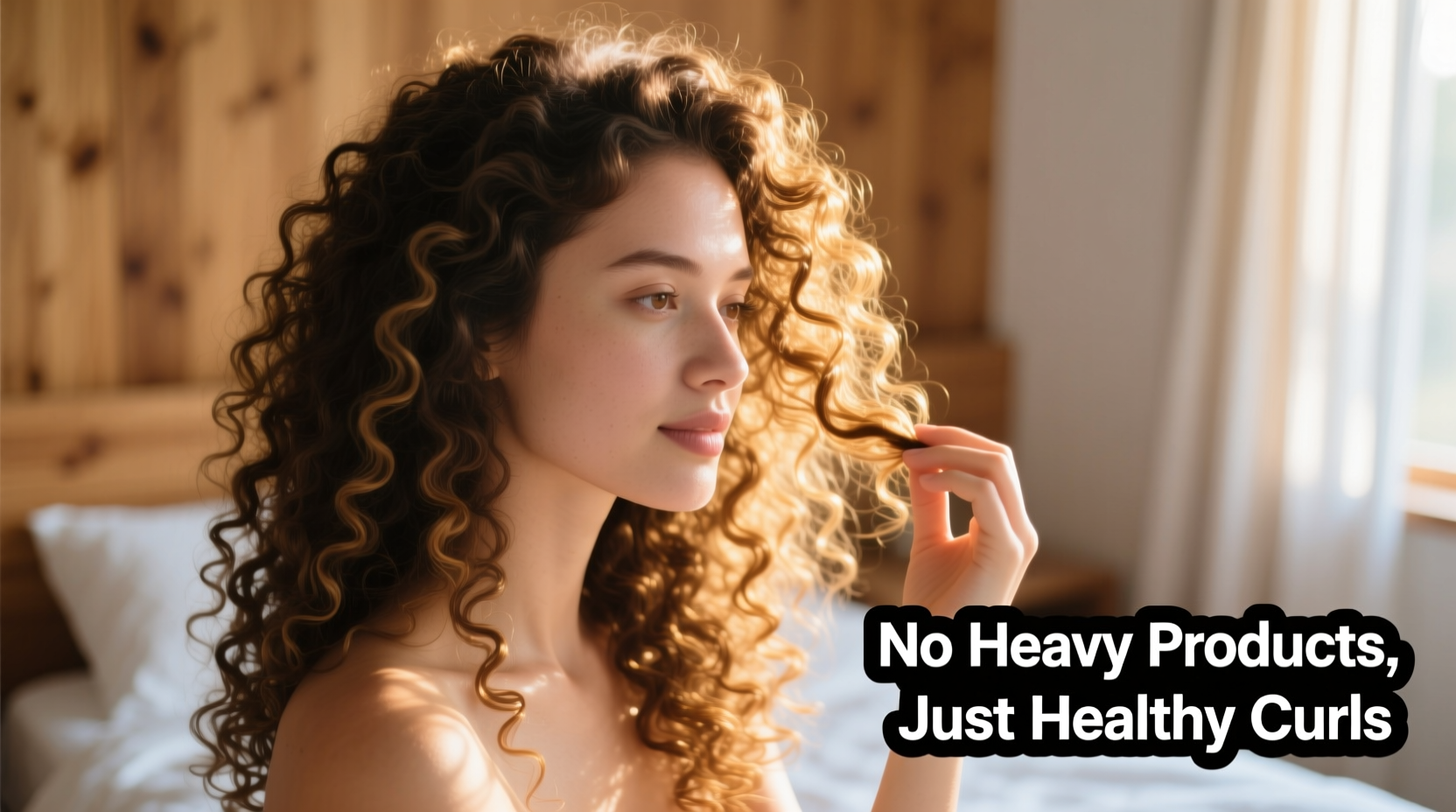
Curly hair follows a helical structure, which means the cuticle—the outermost layer of the hair shaft—is naturally more lifted than in straight hair. This increased porosity allows moisture to enter and exit easily. While this makes curly hair highly responsive to hydration, it also makes it vulnerable to humidity-induced swelling.
When the air is humid, water molecules penetrate the hair shaft, causing it to expand unevenly. Since each curl responds slightly differently based on its porosity, texture, and previous damage, the result is an unruly, puffy appearance. This isn’t “bad” hair—it’s biology. The goal isn’t to block moisture entirely but to manage it intelligently.
Heavy products like petroleum-based sealants or thick butters may temporarily smooth the surface, but they often build up over time, preventing moisture absorption and weakening hair elasticity. Worse, they can trap heat and debris against the scalp, leading to irritation or breakage. A lighter, more balanced routine supports long-term curl health while keeping frizz under control.
“Frizz isn’t a flaw—it’s a signal. It tells you your hair needs moisture, protection, or gentler handling. Listen to it.” — Dr. Lena Patel, Trichologist & Curl Specialist
Hydration: The Foundation of Frizz-Free Curls
Well-hydrated hair is less likely to absorb excess moisture from the air because its cuticle is already balanced. The trick is delivering moisture deep into the cortex and locking it in with lightweight, non-greasy ingredients.
Start with a sulfate-free shampoo or co-wash (cleansing conditioner) that preserves natural oils. Sulfates strip the scalp’s sebum, which curly hair relies on for moisture transport along the strand. Washing too frequently—even with gentle formulas—can disrupt this balance, so aim for every 5–7 days unless your scalp requires more.
After cleansing, apply a water-based leave-in conditioner. Look for humectants like glycerin, honey, or aloe vera, which attract moisture from the air—but use them wisely. In high humidity, humectants can over-attract water and cause puffiness. To avoid this, layer them with occlusive agents like squalane, jojoba oil, or shea butter—but sparingly. A pea-sized amount warmed between palms is usually enough for medium-length hair.
A Step-by-Step Hydration Routine
- Rinse hair thoroughly with lukewarm water to open the cuticle slightly.
- Apply a low-lather cleanser focusing on the scalp, not the ends.
- Condition mid-length to ends, detangling gently with fingers or a wide-tooth comb.
- Rinse with cool water to seal the cuticle.
- Squeeze out excess water with a microfiber towel or cotton T-shirt—never rub.
- While hair is dripping wet, apply a water-based leave-in conditioner.
- Follow with a light oil or butter, emulsified with water in your hands before applying.
- Style using a diffuser or hands, avoiding excessive touching as hair dries.
Gentle Handling: Minimizing Friction and Breakage
Mechanical damage is a major contributor to frizz. Every time you brush dry curls or sleep on cotton pillowcases, you create friction that lifts the cuticle and weakens the hair shaft. Over time, this leads to split ends, tangles, and chronic puffiness.
Adopt a no-comb, low-touch philosophy. Use only your fingers or a wide-tooth comb when hair is saturated with conditioner in the shower. Once styled, let curls set without manipulation. Touching hair throughout the day transfers oils and disrupts curl clumps, inviting frizz.
At night, switch to a satin or silk pillowcase, or wrap hair in a satin bonnet or scarf. Cotton absorbs moisture and creates drag, drying out curls overnight. A loose pineapple—gathering hair at the crown with a scrunchie—helps preserve curl pattern without creasing.
| Habit | Why It Causes Frizz | Better Alternative |
|---|---|---|
| Towel-drying with cotton towels | Creates friction, roughens cuticle | Microfiber towel or cotton T-shirt |
| Brushing dry curls | Breaks curl clumps, causes static | Finger detangle only when wet |
| Sleeping on cotton pillowcases | Increases friction, strips moisture | Satin pillowcase or bonnet |
| Over-styling with heat | Dries out hair, damages protein structure | Air-dry or use diffuser on low heat |
Smart Styling Without the Weight
You can define curls and reduce frizz without relying on thick gels or heavy creams. The secret is using products that enhance curl cohesion while remaining breathable.
Look for lightweight styling milks, mousses, or foams that contain film-forming humectants such as flaxseed gel, okra extract, or hydrolyzed proteins. These ingredients form a flexible cast around curls, supporting shape during drying without residue. Once dry, scrunch gently to break the cast and reveal soft, bouncy curls.
Avoid alcohol-heavy sprays or stiff gels that dry crunchy. If you use gel, opt for water-soluble formulas that rinse out easily. Layering is key: start with hydration, then add hold. Never apply styling products to dry hair—they won’t distribute evenly and can cause patchy frizz.
Lightweight Product Checklist
- Water-based leave-in conditioner (glycerin-free if in high humidity)
- Hydrating curl milk or lotion (non-greasy formula)
- Low-hold mousse or foam for volume and definition
- One lightweight oil (jojoba, grapeseed, or squalane)
- Soluble gel for curl clumping (optional, based on curl type)
Environmental Protection Strategies
Even the best routine can be undone by external factors. Wind, sun, pollution, and indoor heating all dehydrate hair and increase frizz. Proactive protection doesn’t require heavy coatings—just smart habits.
In humid climates, wear hats with wide brims or use anti-humidity serums with dimethicone alternatives like cyclomethicone or plant-derived silicones. These provide a breathable shield without buildup. In dry environments, carry a hydrating mist with aloe and rosewater to refresh curls on the go.
Avoid prolonged exposure to chlorinated pools or saltwater without protection. Wet hair first with fresh water and apply a light oil or conditioner before swimming. This saturates the hair, reducing its ability to absorb harsh chemicals. Afterward, rinse immediately and follow with a clarifying wash once a week to remove residue.
“Your hair interacts with the world constantly. Think of protection not as coating, but as preparation.” — Marcus Reed, Celebrity Curl Stylist
Real-Life Example: Transforming Daily Frizz into Defined Curls
Sophia, a 28-year-old teacher with 3C curls, struggled with frizz every morning despite using a popular heavy curl cream. By midday, her roots were oily, and her ends felt coated but still puffy. She avoided humidity and rarely wore her hair down.
She shifted her routine: switched to a co-wash twice a week, started using a water-based leave-in, applied only a dime-sized amount of jojoba oil, and began sleeping on a satin pillowcase. She stopped brushing her hair entirely and adopted the “scrunch-out-the-crunch” method with a lightweight gel.
Within three weeks, her hair felt lighter and looked more defined. Frizz decreased significantly, even on humid days. “I finally understand my hair,” she said. “It wasn’t about adding more—it was about adding the right things, in the right amounts.”
Frequently Asked Questions
Can I get rid of frizz without using any oils or butters?
Yes. Oils and butters are occlusives that seal in moisture, but they aren’t mandatory. If your hair is fine or low-porosity, it may do better with humectant-rich leave-ins and water-based stylers alone. Focus on consistent hydration and gentle handling instead.
Why does my hair frizz more after I stop using heavy products?
This is often a transition phase. Heavy products can mask underlying dryness. When removed, your hair reveals its true moisture level. Stick with a hydrating routine for 2–4 weeks; frizz should decrease as your hair rebalances.
Is there a way to define curls without gel?
Absolutely. Try finger-coiling small sections while hair is wet, or use a lightweight mousse to encourage clumping. Air-drying in a loose braid or twist can also enhance definition without product buildup.
Final Thoughts: Embrace Lightness for Healthier, Happier Curls
Preventing frizz in curly hair doesn’t require a cabinet full of heavy products. It requires understanding your hair’s needs and responding with precision. Lightweight hydration, minimal manipulation, and environmental awareness form the foundation of a frizz-resistant routine. When you stop fighting your curls and start working with them, you’ll notice not just less frizz—but more bounce, shine, and confidence.
Healthy curls aren’t about perfection. They’re about resilience, movement, and authenticity. By choosing light over load, you give your hair the freedom to thrive.




 浙公网安备
33010002000092号
浙公网安备
33010002000092号 浙B2-20120091-4
Comments
No comments yet. Why don't you start the discussion?