
Humidity is the silent enemy of smooth, defined hair. When moisture in the air penetrates the hair shaft, it causes strands to swell, disrupts cuticle alignment, and leads to that familiar puffiness known as frizz. For those with curly, wavy, or chemically treated hair, this battle is real—and often expensive. But you don’t need luxury serums or professional treatments to win. With strategic use of accessible, high-performing drugstore products, you can maintain sleek, frizz-free hair even during peak humidity.
The key lies not in avoiding moisture altogether—your hair needs hydration—but in controlling it. By building a routine focused on sealing the cuticle, locking in moisture, and forming a protective barrier, you can outsmart humidity without stepping into a specialty boutique. This guide walks through science-backed methods, product types, and application techniques—all achievable with items found at your local pharmacy or supermarket.
Understanding Why Hair Frizzes in Humidity
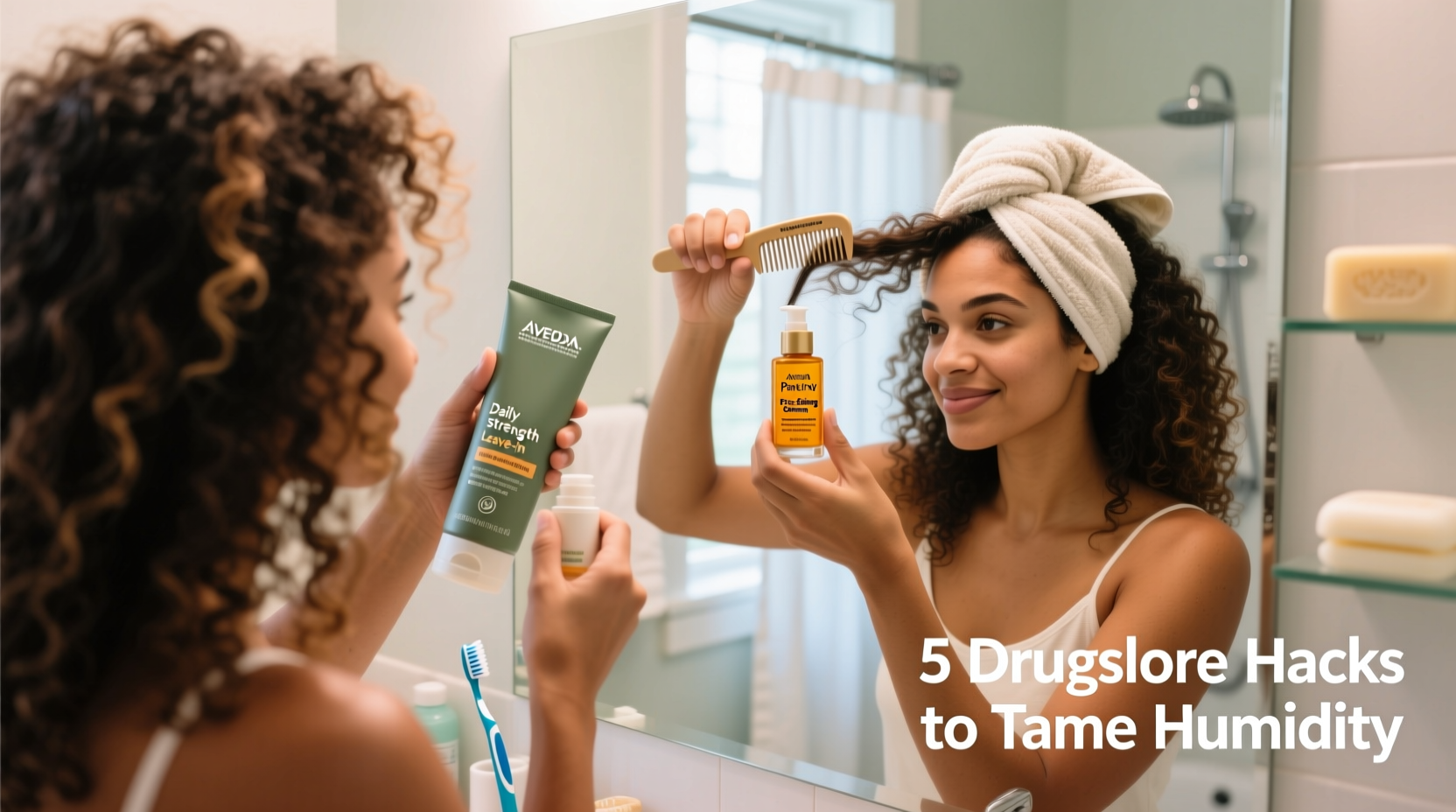
Frizz isn’t just an aesthetic issue—it’s a physical reaction. Each strand of hair has a protective outer layer called the cuticle. When this layer is damaged or lifted due to heat styling, chemical processing, or environmental stress, humidity penetrates more easily. Once inside, water molecules cause hydrogen bonds in the keratin structure to reform temporarily, leading to curling, kinking, or expansion of the strand. This is especially pronounced in porous or textured hair types.
Even healthy hair can frizz when exposed to sudden shifts in humidity. However, consistent care reduces porosity over time and strengthens the cuticle’s ability to resist external moisture. The goal isn’t to strip hair of all moisture but to create balance: hydrate from within, then seal from the outside.
“Hair behaves like a sponge. If you don’t control how it absorbs moisture, the environment will do it for you—and usually not in a flattering way.” — Dr. Lila Chen, Trichologist & Cosmetic Scientist
Essential Drugstore Product Categories for Frizz Control
You don’t need ten-step routines or imported oils. Focus instead on selecting the right type of product from these five core categories—each widely available at retailers like Walmart, Target, CVS, or Walgreens.
1. Sulfate-Free Shampoo
Sulfates strip natural oils and increase porosity. Over time, this makes hair more vulnerable to humidity absorption. Opt for sulfate-free formulas that cleanse gently without disrupting the scalp’s pH.
2. Deep Conditioner or Hair Mask
Weekly deep conditioning replenishes lost lipids and proteins, reinforcing the cuticle. Choose masks with shea butter, argan oil, or panthenol—ingredients proven to reduce hygral fatigue (damage caused by repeated swelling and drying).
3. Leave-In Conditioner
This is your first line of defense. Applied after washing, leave-in conditioners coat the hair shaft and provide immediate detangling and softening. More importantly, they form a lightweight moisture base that helps subsequent products adhere better.
4. Anti-Frizz Serum or Cream
Silicones like dimethicone or cyclomethicone create a hydrophobic shield around each strand, preventing atmospheric moisture from entering. Despite myths, silicones are safe and highly effective when used correctly—and many drugstore options contain them at concentrations ideal for daily protection.
5. Light-Hold Styling Gel or Mousse
For curly or wavy hair, defining styles while the hair is wet locks in shape before humidity can interfere. Alcohol-free gels prevent crunch while maintaining definition through transitions between dry and humid climates.
Step-by-Step Routine for Humidity Protection
Follow this six-step process every time you wash your hair. Consistency builds resilience over time, reducing frizz even on muggy days.
- Pre-Wash Detangle: Use a wide-tooth comb to remove knots before shampooing. Wet hair is fragile; starting dry minimizes breakage.
- Shampoo Gently: Apply sulfate-free shampoo only to the scalp. Let suds run through ends—don’t scrub them directly.
- Deep Condition Weekly: After shampooing, apply a thick layer of mask from mid-shaft to ends. Cover with a shower cap and wait 15–20 minutes before rinsing with cool water to seal the cuticle.
- Apply Leave-In Conditioner: While hair is still dripping wet, distribute a dime-to-quarter-sized amount (depending on length) evenly. Focus on ends, where damage accumulates.
- Seal with Serum: On damp (not soaking) hair, rub a pea-sized drop of anti-frizz serum between palms and smooth over the surface. Avoid roots to prevent greasiness.
- Define & Dry: For texture, scrunch in a light gel or mousse. Air-dry or diffuse—never let hair dry partially then expose it to open air, which invites uneven swelling.
Top Drugstore Picks That Deliver Salon Results
You don’t need to spend $30 on a bottle to see results. These widely available options consistently earn high marks from dermatologists and stylists alike.
| Product Type | Recommended Brand & Name | Key Ingredients | Why It Works |
|---|---|---|---|
| Shampoo | Pantene Pro-V Moisture Renewal | Pro-Vitamin B5, Glycerin | Gentle cleansing with hydration boost; improves manageability after one use. |
| Conditioner | Herbal Essences Argan Oil of Morocco | Argan Oil, Coconut Oil | Nourishes dry ends without weighing hair down; pleasant scent enhances experience. |
| Leave-In | Not Your Mother’s Curl Talk Defining Cream | Avocado Oil, Jojoba Oil | Lightweight yet effective for curls; doubles as a heat protectant. |
| Serum | OGX Renewing + Argan Oil of Morocco Penetrating Oil | Argan Oil, Dimethicone | Combines natural oils with silicone for dual-action smoothing and shine. |
| Styling Gel | Eco Style Olive Oil Styling Gel | Olive Oil, PVP (hold agent) | Strong hold without flaking; excellent for twist-outs and defined waves. |
Common Mistakes That Invite Frizz—And How to Avoid Them
Even with great products, technique matters. These everyday errors undermine your efforts:
- Towel-drying aggressively: Rubbing hair with a cotton towel roughs up the cuticle. Instead, use an old T-shirt or microfiber towel to gently squeeze out excess water.
- Skipping heat protection: Flat irons and blow dryers open the cuticle. Always apply a leave-in with thermal shielding—even at low temps.
- Touching hair too much: Hands transfer oil and friction. Once styled, avoid constant touching or brushing throughout the day.
- Using expired products: Emulsifiers break down over time. Check dates—especially on conditioners and creams stored in humid bathrooms.
- Overwashing: Washing more than 3–4 times per week strips natural sebum. Try co-washing (conditioner-only washes) between shampoo days.
Mini Case Study: Surviving a Florida Summer on a Budget
Amy R., a 29-year-old teacher in Tampa, struggled with frizzy, undefined waves every summer. Her salon-recommended routine cost over $120 monthly. After switching to drugstore alternatives, she achieved smoother results for under $40 per month.
She replaced her $28 curl cream with Not Your Mother’s Curl Talk ($7), used OGX Argan Oil serum ($9) instead of a pricier brand, and committed to weekly deep conditioning with Suave Professionals Keratin Infusion ($4). She also changed her drying method: no more rough towel-drying. Within three weeks, her hair stayed defined longer, even during outdoor recess duty in 90% humidity.
“I was skeptical,” Amy said. “But once I learned how to layer the products properly—damp hair, leave-in, then seal—it made all the difference. My coworkers asked if I got a keratin treatment.”
Checklist: Your Drugstore Anti-Frizz Action Plan
Use this checklist weekly to stay on track:
- ☑ Wash hair with sulfate-free shampoo no more than 3x/week
- ☑ Apply deep conditioner for 15+ minutes once per week
- ☑ Use a microfiber towel or cotton T-shirt to dry
- ☑ Apply leave-in conditioner to soaking-wet hair
- ☑ Seal with a silicone-based serum on damp hair
- ☑ Define curls with alcohol-free gel or mousse
- ☑ Refresh second-day hair with a spritz of water + drop of serum
- ☑ Sleep on a satin pillowcase or wear a silk bonnet
Frequently Asked Questions
Can I use drugstore products if I have color-treated hair?
Yes—and you should. Many drugstore lines now include UV filters and antioxidants that protect color. Look for labels like “color-safe” or “for dyed hair.” Brands like Garnier Fructis and Pantene offer specific variants designed to preserve vibrancy while combating frizz.
Are silicones bad for my hair?
No, not inherently. Water-soluble silicones (like dimethicone copolyol) wash out easily and don’t build up. Heavy, non-soluble silicones may require clarifying occasionally, but they’re excellent for humidity resistance. Just clarify with a gentle sulfate shampoo every 3–4 weeks if you notice dullness or heaviness.
What if I have fine hair? Won’t these products weigh it down?
Absolutely choose lightweight formulas. Avoid heavy butters and oils near the roots. Use smaller amounts—pea-sized instead of dime-sized—and focus product only on the mid-lengths and ends. Lightweight mists like TRESemmé Thermal Creations Protect & Replenish Spray work well without flattening volume.
Final Thoughts: Confidence Starts with Control
Frizz doesn’t have to dictate your day. With thoughtful product selection and consistent habits, you can maintain smooth, manageable hair regardless of the weather forecast. The beauty of drugstore solutions is their accessibility: effective ingredients aren’t reserved for premium brands. What matters most is understanding your hair’s needs and responding with precision.
Start small—swap one product at a time, master the application sequence, and observe changes over two to three weeks. Pay attention to how your hair feels, not just how it looks. Healthy hair resists humidity because it’s resilient from within.




 浙公网安备
33010002000092号
浙公网安备
33010002000092号 浙B2-20120091-4
Comments
No comments yet. Why don't you start the discussion?