
Lipstick is a powerful tool in any makeup routine—capable of transforming a look with a single swipe. But for many, especially as skin matures, the joy of wearing bold or even neutral shades can be undermined by one persistent issue: lipstick bleeding into fine lines around the mouth. This not only blurs the lip line but creates an uneven, aged appearance that requires constant touch-ups. While commercial solutions often rely on silicone-based primers or cosmetic procedures, there’s growing interest in natural, non-invasive methods that work with the skin rather than against it. The truth is, preventing lipstick migration begins long before you pick up your favorite tube—it starts with skin health, preparation, and mindful application.
Natural prevention focuses on strengthening the skin barrier, hydrating delicate areas, and using techniques that support the lips’ natural shape. These methods avoid synthetic fillers, parabens, or alcohol-heavy products that may worsen dryness and fine lines over time. With consistency and the right approach, it’s entirely possible to enjoy crisp, lasting color without relying on heavy filters or invasive treatments.
Understanding Why Lipstick Bleeds
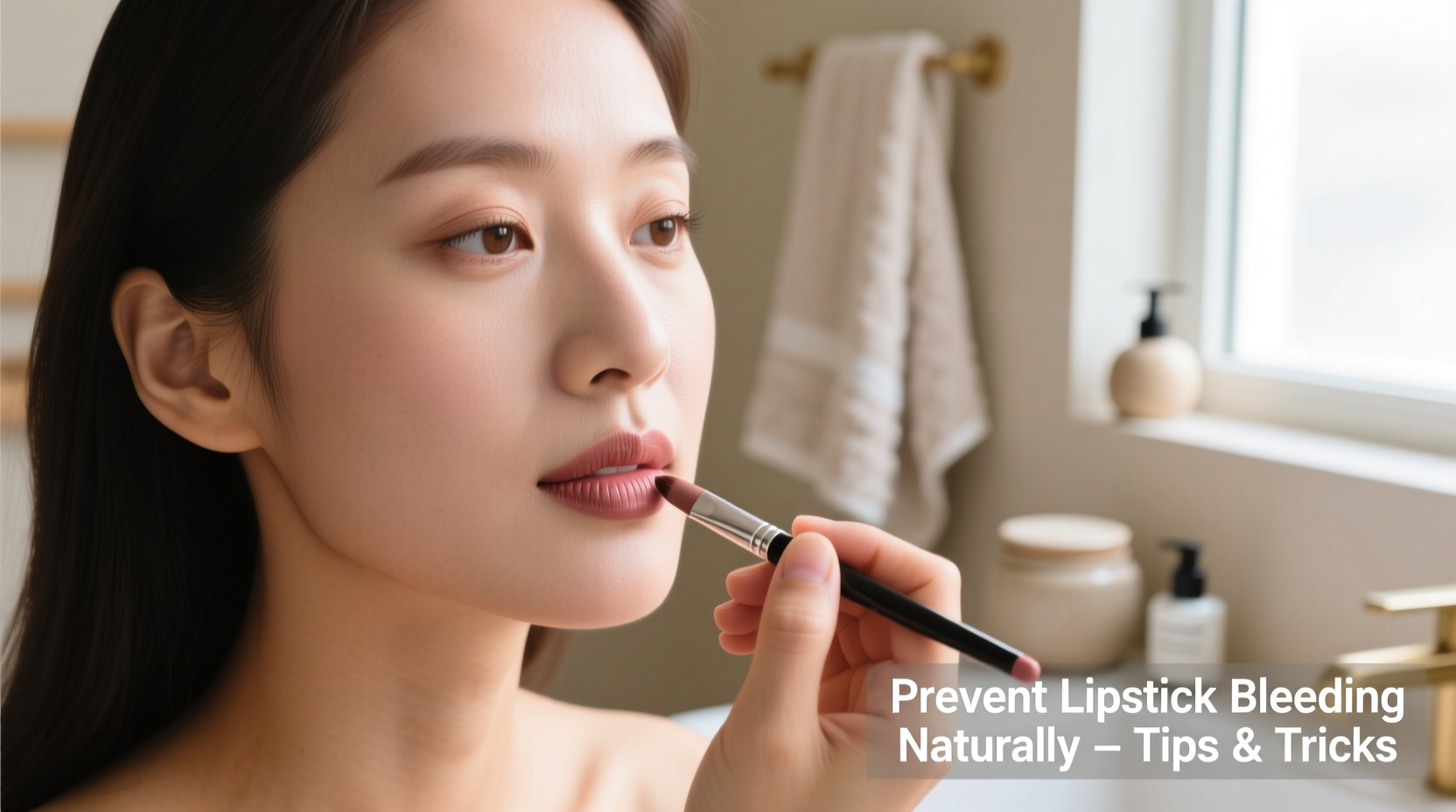
Lipstick doesn’t bleed randomly—it follows the path of least resistance. As we age, the collagen and elastin in the perioral area (around the mouth) diminish. This leads to thinner skin, deeper vertical lines, and reduced structural support. When lipstick is applied, it seeps into these micro-grooves because the surface is no longer smooth and taut. Environmental factors like sun exposure, smoking, dehydration, and repetitive facial movements (like sipping through straws) accelerate this process.
Additionally, dry or flaky lips create uneven textures where pigment can catch and migrate. Harsh lip products containing drying alcohols or synthetic fragrances strip natural oils, worsening the problem. Even the type of lipstick matters: creamy or liquid formulas tend to move more easily than matte or waxy ones, especially if the skin isn’t properly prepped.
The key to stopping lipstick bleed lies not in masking the lines but in minimizing their depth and improving skin resilience through natural care.
Natural Skincare Habits That Reduce Lip Line Creasing
Prevention starts with daily skincare focused on hydration, nourishment, and protection. Unlike temporary fixes, consistent routines rebuild the skin’s ability to hold its form, making it less prone to trapping pigment.
1. Gentle Exfoliation 2–3 Times Per Week
Dead skin cells accumulate around the lips, creating rough patches that trap color and encourage feathering. A natural exfoliant made from honey and finely ground sugar removes flakes without irritation. Mix one teaspoon of raw honey with half a teaspoon of brown sugar, gently massage around the lip contour for 30 seconds, then rinse with lukewarm water. Honey acts as a humectant, drawing moisture into the skin while offering antibacterial benefits.
2. Hydrate with Plant-Based Oils
At night, apply a thin layer of cold-pressed oils known for their regenerative properties. Rosehip oil is rich in linoleic acid and vitamin A, both of which support cell turnover and collagen synthesis. Jojoba oil closely mimics the skin’s natural sebum, making it ideal for sealing in moisture without clogging pores. Apply with a clean fingertip using light tapping motions to stimulate circulation.
3. Use Antioxidant-Rich Serums
Vitamin C serums aren’t just for the face—they can benefit the lip area when applied carefully. A stable, low-concentration vitamin C serum (5–10%) helps brighten shadows and supports collagen production. Look for formulations with ferulic acid and vitamin E for enhanced stability and protection against free radicals caused by UV exposure.
4. Prioritize Sun Protection
UV rays break down collagen faster in thin-skinned areas like the lips. While most lip balms contain SPF, few people reapply them regularly. Make it a habit to use an SPF 30+ lip balm every morning—even on cloudy days. Choose mineral-based options with zinc oxide, which offer immediate protection without chemical absorbers.
“Skin around the lips is among the thinnest on the face. It shows signs of aging early, but responds well to consistent, gentle care.” — Dr. Lena Patel, Dermatologist & Cosmetic Scientist
Step-by-Step Guide: Natural Application Techniques to Prevent Bleeding
Even with healthy skin, improper application can lead to smudging. Follow this six-step routine to define lips cleanly and keep color in place—all without synthetic primers or fillers.
- Cleanse and prep the area. Wipe the lip zone with a damp cotton pad to remove oils or residue. Pat dry gently.
- Exfoliate lightly. If needed, use your homemade scrub or a soft toothbrush in circular motions for 15 seconds.
- Hydrate and wait. Dab on a tiny amount of jojoba or rosehip oil. Wait 5 minutes to let it absorb fully—this prevents slipping.
- Define with a natural liner. Use an organic, beeswax-based lip pencil close to your natural lip color. Start at the cupid’s bow and follow your true lip line—do not overdraw, as this creates tension that encourages migration.
- Apply lipstick with precision. Use a small brush or fingertip to apply color from the center outward. Blot once with a tissue, then apply a second thin layer for longevity.
- Set naturally. Place a single-ply tissue over your lips and dust lightly with translucent rice powder through the paper. This locks color without drying the skin.
Do’s and Don’ts: Natural Lip Care Comparison
| Do’s | Don’ts |
|---|---|
| Use lip balms with shea butter, beeswax, or cocoa butter | Use flavored lip glosses with menthol or cinnamon (they irritate) |
| Drink plenty of water to maintain internal hydration | Smoke or spend prolonged time in dry, heated environments |
| Store lip products in a cool, dark place to preserve integrity | Share lipsticks or pencils (risk of bacterial transfer) |
| Massage lips gently with fingertips to boost circulation | Peel dry skin off—this damages new tissue and worsens cracking |
| Reapply SPF lip balm every 2 hours in direct sun | Wear matte liquid lipstick all day without moisturizing underneath |
Real Example: How Sarah Reduced Lipstick Bleed Naturally
Sarah, a 47-year-old teacher from Portland, noticed her favorite red lipstick was constantly creeping into the lines around her mouth within an hour of application. She avoided injectables due to personal preference and wanted a sustainable solution. Over eight weeks, she implemented a simple regimen: nightly rosehip oil application, bi-weekly honey-sugar scrubs, and switching to an SPF lip balm during the day. She also stopped using drugstore lip liners filled with synthetic waxes.
She began applying lipstick with a brush instead of directly from the tube, focusing on building color in layers. Within three weeks, she observed fewer touch-ups needed and a visible softening of fine lines. By week six, her lipstick stayed put for over five hours without bleeding. “I didn’t expect such a difference from just changing my routine,” she said. “Now I feel confident teaching in front of students without worrying about my lipstick looking messy.”
Top 5 Natural Ingredients That Support Lip Firmness
- Rosehip Oil: High in essential fatty acids and retinoids, promotes skin regeneration and reduces fine line depth.
- Bee Propolis: A natural resin with anti-inflammatory and healing properties; strengthens delicate skin barriers.
- Aloe Vera: Soothes irritation and deeply hydrates without greasiness—ideal under makeup.
- Green Tea Extract: Rich in polyphenols, protects against oxidative stress and supports collagen retention.
- Beeswax: Forms a breathable protective layer that locks in moisture and improves product adherence.
Incorporate these ingredients into your lip care products or DIY recipes. For instance, a nighttime mask combining aloe vera gel, a drop of rosehip oil, and a pinch of bee propolis can be applied before bed for intensive repair.
FAQ: Common Questions About Natural Lipstick Control
Can drinking more water really help prevent lipstick from bleeding?
Yes. Dehydrated skin loses elasticity and becomes more crepey, especially around the mouth. Consistent hydration plumps the skin slightly, reducing the prominence of fine lines. While water alone won’t erase wrinkles, it supports overall skin resilience and enhances the effectiveness of topical treatments.
Is it safe to use facial serums near the lips?
Most facial serums are safe if they don’t contain strong actives like high-dose glycolic acid or retinoids meant for nighttime use. Vitamin C, hyaluronic acid, and antioxidant blends can be carefully dabbed along the lip perimeter. Avoid getting active ingredients directly on the lips, as mucosal tissue absorbs more rapidly and may react differently.
What’s the best natural alternative to lip primer?
A mixture of a tiny amount of cornstarch or arrowroot powder blended with a drop of jojoba oil creates a smooth, matte base that evens texture. Apply with a fingertip, let it set for a minute, then proceed with lipstick. This DIY version controls shine and provides grip without silicones or parabens.
Checklist: Your Natural Anti-Bleeding Routine
- ✅ Gently exfoliate lips 2–3 times per week
- ✅ Apply nourishing oil (rosehip, jojoba) nightly
- ✅ Use SPF lip balm every morning
- ✅ Choose lip products with natural waxes and butters
- ✅ Define lips with a close-tone organic liner
- ✅ Apply lipstick in thin layers with a brush
- ✅ Blot and lightly set with rice powder
- ✅ Avoid habits that strain the mouth (straw use, smoking)
- ✅ Stay hydrated and protect skin from UV exposure
- ✅ Massage lips weekly to improve circulation
Conclusion: Embrace Long-Lasting Color Through Skin Health
Preventing lipstick from bleeding into fine lines isn’t about finding a quick fix—it’s about nurturing the skin so it can support makeup gracefully. Natural methods prioritize long-term health over temporary concealment, leading to stronger, smoother lips that hold color beautifully. By integrating gentle exfoliation, intelligent hydration, and mindful application, you build a foundation that works with your body, not against it.




 浙公网安备
33010002000092号
浙公网安备
33010002000092号 浙B2-20120091-4
Comments
No comments yet. Why don't you start the discussion?