
For those with hooded eyes, finding a mascara that stays put throughout the day can feel like an endless battle. The natural fold of the eyelid often brushes against the lashes, transferring oils and causing even the most waterproof formulas to migrate, leaving behind telltale smudges on the upper lid. This issue isn't just about aesthetics—it affects confidence, daily touch-ups, and makeup longevity. But with the right combination of products, prep, and technique, it’s entirely possible to keep your lashes defined and your lids clean from morning to night.
Hooded eyes are characterized by excess skin that folds over the crease, partially or fully concealing the eyelid when the eye is open. This anatomical feature increases contact between the eyelashes and the upper lid, making smudging inevitable without proper strategy. The solution lies not in avoiding mascara altogether, but in understanding how to work with your eye shape—not against it.
Understanding Why Mascara Smudges on Hooded Eyes
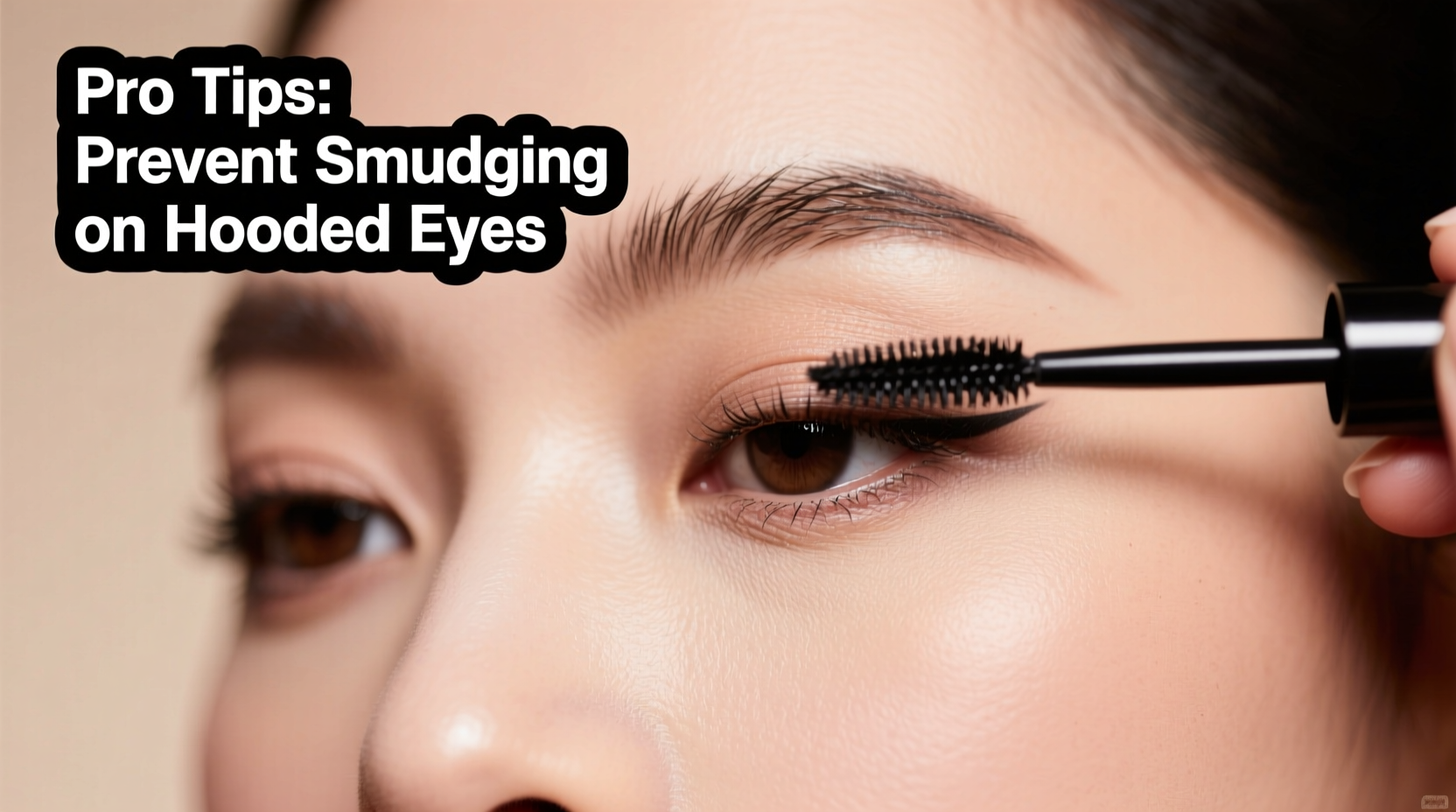
The primary reason mascara transfers onto hooded lids is physical contact. When you blink or squint, your lashes naturally graze the extra skin above the eyelid. This friction picks up oils from the skin—especially if you have oily eyelids—and breaks down the mascara formula over time. Even non-oily skin produces sebum, which accumulates gradually and compromises makeup adherence.
Additionally, many traditional mascaras are not formulated to withstand constant rubbing. Creamy or emollient-based formulas may enhance lash volume but tend to be less durable. Humidity, sweat, and environmental factors further accelerate breakdown. Without a strategic approach, smudging becomes not a question of *if*, but *when*.
“Mascara migration on hooded eyes is one of the most common complaints I hear from clients. It’s not a flaw—it’s physics. The fix requires smart prep, the right formula, and precise application.” — Lila Torres, Celebrity Makeup Artist & Educator
Choosing the Right Mascara Formula
Not all mascaras are created equal—especially for hooded eyes. The key is selecting a formula engineered for endurance. Here’s what to look for:
- Waterproof or tubing formula: These resist oil and moisture better than standard mascaras. Tubing mascaras wrap each lash in a polymer film, which prevents flaking and smudging.
- Dry, fast-setting texture: Avoid creamy or wet formulas that take time to dry. Opt for lightweight, quick-drying options that set firmly on the lashes.
- Smudge-proof claims: Look for labels like “long-wear,” “transfer-resistant,” or “smudge-proof”—but always test them yourself, as marketing terms vary.
- Lengthening over volumizing: Thick, clumpy mascaras increase lash weight and surface area, raising the chance of contact with the lid. Lighter, lengthening formulas reduce this risk.
Mascara Comparison: Key Features for Hooded Eyes
| Product | Formula Type | Oil-Resistant? | Best For | Removal Method |
|---|---|---|---|---|
| Maybelline Sky High Washable | Tubing | Yes | Lightweight length | Warm water wash |
| L’Oréal Voluminous Lash Paradise | Waterproof | Moderate | Volumizing (use sparingly) | Oil-based remover |
| Kosas Major Mood Mascara | Tubing | Yes | Natural lift, sensitive eyes | Gentle warm water |
| Stila Stay All Day Waterproof | Waterproof | High | All-day hold | Biphase remover needed |
| Thrive Causemetics Liquid Lash Extensions | Tubing | Yes | Clean beauty, no flakes | Warm water + light pressure |
Step-by-Step Application Technique for Long-Lasting Wear
Applying mascara correctly is just as important as choosing the right product. Follow this proven sequence to minimize contact and maximize staying power:
- Prime your eyelids: Use an eyeshadow primer like Urban Decay Primer Potion or NARS Smudge Proof Base. This creates a barrier that absorbs oil and smooths the lid surface, reducing friction.
- Set with translucent powder: After primer, lightly dust the upper lid with a translucent setting powder using a small brush. Avoid heavy layers that might cake.
- Curl lashes thoroughly: Use a high-quality eyelash curler before applying mascara. A strong curl lifts lashes away from the lid, decreasing contact. Hold for 10–15 seconds at the base, then midway if needed.
- Apply thin, even coats: Wipe excess product off the wand to avoid clumps. Apply one coat, let it dry completely (about 30–60 seconds), then add a second only if necessary. Build gradually—too much product weighs lashes down.
- Focus on the tips: Emphasize coating the ends of the lashes rather than saturating the roots. This lifts without adding bulk near the lid.
- Let it set before opening eyes fully: After the final coat, keep your eyes gently closed for a minute to allow the formula to dry undisturbed.
Preventative Skincare and Makeup Prep
Your skincare routine directly impacts how well your eye makeup holds up. Oily eyelids are a major contributor to smudging, so managing sebum production is essential.
Start by cleansing your face with a gentle, non-comedogenic cleanser. Avoid heavy creams or oils near the eye area in your daytime routine. If you use moisturizer, choose a lightweight, oil-free gel and wait at least five minutes before applying makeup to ensure full absorption.
When prepping for makeup, skip silicone-heavy primers on the eyelid unless they’re specifically designed for eyes. Instead, use a mattifying primer or blot the lids with a tissue after moisturizing to remove any residual slickness.
Throughout the day, carry a pressed powder or matte eyeshadow in a neutral tone to refresh the lid. Gently press (don’t swipe) it over the crease to absorb oil without disturbing your lashes.
Mini Case Study: Sarah’s 12-Hour Shift Solution
Sarah, a nurse working 12-hour shifts, struggled with mascara smudging within two hours of application. Despite trying multiple “waterproof” brands, she’d consistently end her shift with dark rings above her eyes. After consulting a makeup artist, she changed her routine: she began using a tubing mascara (Kosas Major Mood), applied lash primer before curling, and set her lids with Laura Mercier’s Translucent Setting Powder. She also switched from cream-based eye creams to a water-based gel in the morning. The result? Her mascara stayed intact for over 10 hours, with minimal transfer even after mask-wearing and frequent hand-to-face contact.
Common Mistakes That Accelerate Smudging
Avoid these pitfalls that sabotage even the best-intentioned routines:
- Using old mascara: Replace mascara every 3 months. Over time, formulas degrade and become more prone to flaking and smudging.
- Over-applying product: Two coats are usually enough. Excess buildup increases weight and contact points.
- Rubbing eyes frequently: Whether due to allergies or fatigue, touching the eye area disrupts the mascara film.
- Skipping lash separation: Clumped lashes create uneven surfaces that catch on the lid. Use a clean spoolie after application to comb through.
- Layering incompatible products: Mixing waterproof and non-waterproof mascaras or using oily removers as primers causes breakdown.
Do’s and Don’ts for Hooded Eye Makeup Longevity
| Do | Don’t |
|---|---|
| Use a tubing or waterproof formula | Use creamy, non-waterproof mascaras |
| Curl lashes before applying mascara | Apply mascara before curling (risk of breakage) |
| Set lids with translucent powder | Apply powder heavily or with a damp brush |
| Wipe excess product off the wand | Use a dripping wand that causes clumping |
| Refrain from touching eyes throughout the day | Rub or press on eyelids frequently |
FAQ
Can I wear regular mascara if I have hooded eyes?
You can, but it will likely smudge within a few hours. Regular formulas aren’t designed to resist oil or friction. For everyday wear, especially in humid conditions or long days, waterproof or tubing mascaras are strongly recommended.
Is there a way to remove mascara without irritating my eyes?
Yes. Use a gentle, oil-based micellar water or balm remover. Soak a cotton pad, hold it over your lashes for 10–15 seconds to dissolve the product, then wipe downward—never rub back and forth. Tubing mascaras can often be removed with warm water and light pressure.
Does wearing glasses help prevent smudging?
Surprisingly, yes—for some. Glasses can create a slight physical barrier that limits direct contact between lashes and lid. However, if the frames sit too close to the lashes, they may cause additional smudging. Adjust the fit accordingly.
Final Checklist: Smudge-Free Mascara Routine for Hooded Eyes
- Use an oil-free moisturizer around the eyes (morning only).
- Apply eyeshadow primer to the mobile lid.
- Set with translucent powder.
- Curl lashes with a heated or standard curler.
- Choose a tubing or waterproof mascara.
- Wipe excess product off the wand.
- Apply 1–2 thin coats, letting each dry fully.
- Avoid touching eyes throughout the day.
- Blot lids midday if oily.
- Replace mascara every 3 months.
Conclusion
Smudging doesn’t have to be the default for hooded eyes. With the right products and a disciplined routine, you can enjoy flawless, long-wearing mascara that enhances your gaze without compromising your lid. It’s not about fighting your anatomy—it’s about working intelligently with it. From choosing tubing formulas to mastering the curl-and-powder technique, every step adds up to lasting results. Start implementing these strategies today, and say goodbye to raccoon eyes for good.




 浙公网安备
33010002000092号
浙公网安备
33010002000092号 浙B2-20120091-4
Comments
No comments yet. Why don't you start the discussion?