
Smudged mascara is more than just a cosmetic nuisance—it can undermine confidence, ruin an outfit, and leave you scrambling for touch-ups throughout the day. While many turn to setting sprays as a quick fix, they’re not always necessary or ideal. Some people prefer to avoid aerosols, have sensitive skin, or simply want a simpler routine. The good news? You can keep your mascara sharp and smudge-free all day using smart techniques, the right products, and thoughtful habits—all without ever reaching for a spray.
This guide dives into proven, practical strategies that work whether you're commuting in humidity, working out, or navigating emotional moments. From choosing the right formula to mastering application technique, these methods are backed by beauty professionals and real-world results.
Choose the Right Mascara Formula
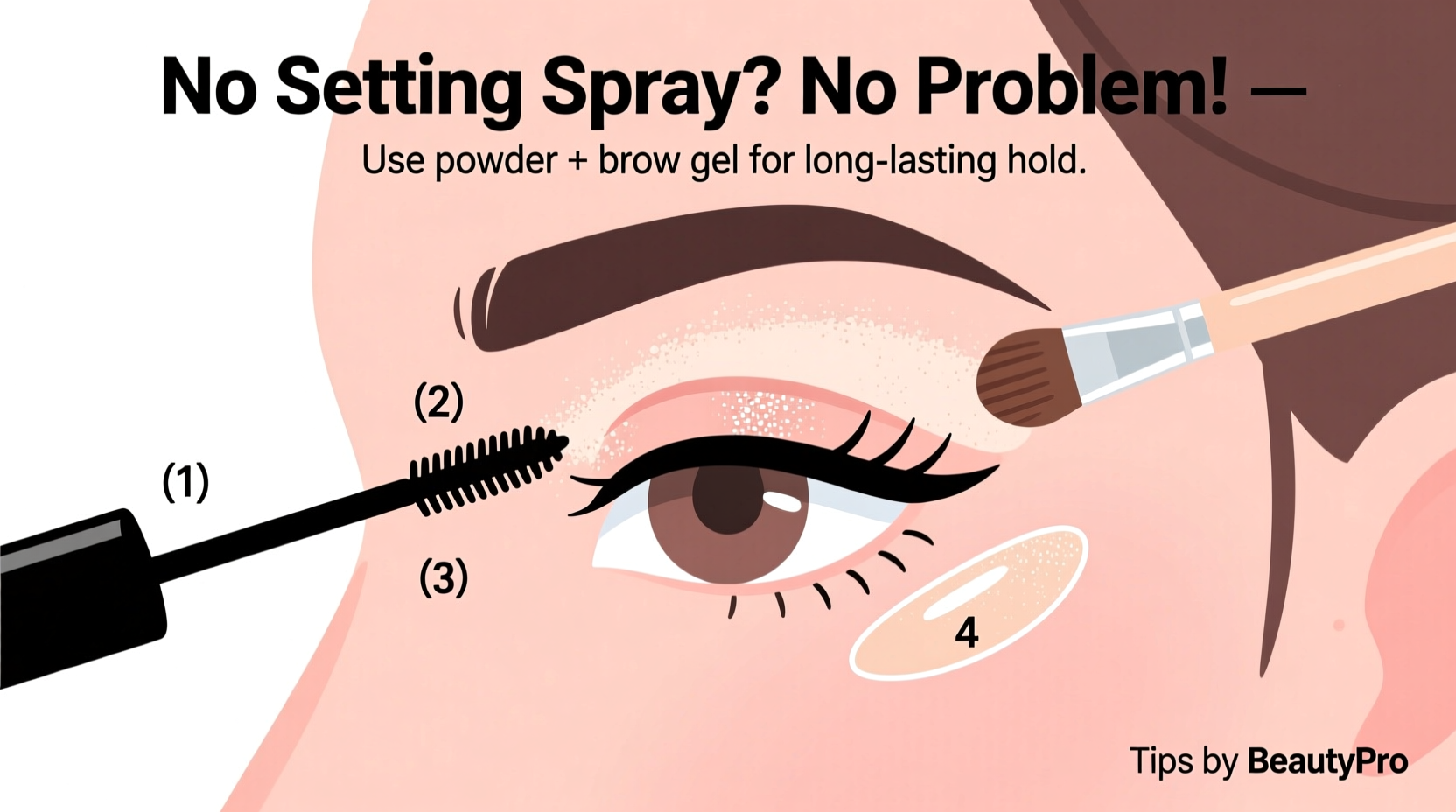
The foundation of smudge-proof lashes starts with product selection. Not all mascaras are created equal, and some are specifically engineered to resist transfer and moisture.
Waterproof and water-resistant formulas are typically the best defense against smudging. These use polymers and waxes that form a durable film on lashes, resisting sweat, oil, and tears. However, “waterproof” doesn’t always mean “smudge-proof”—especially if your eyelids produce excess oil.
Tubing mascaras, such as those from brands like Thrive Causemetics or Grande Cosmetics, are particularly effective because they don’t dissolve into a liquid when exposed to moisture. Instead, they lift off cleanly when removed with warm water. This makes them less likely to migrate onto the skin under the eyes.
Additionally, avoid creamy or oil-based mascaras if you're prone to smudging. These tend to break down faster, especially when in contact with natural oils from the eyelid or sebum buildup.
Prime Your Lashes and Eyelids
Just as skincare primes your face for makeup, lash priming creates a stable base that enhances longevity. Skipping this step may be why your mascara fails by midday.
Lash primers do more than just add volume—they seal the lash shaft and create a non-porous surface so mascara adheres evenly and lasts longer. Choose a clear, waterproof primer to maximize hold without adding color or weight.
Equally important is controlling oil on the eyelids. Oily eyelids are one of the leading causes of mascara transfer. If your lids tend to get shiny, apply a lightweight, oil-free eye primer before any eye makeup. These products create a barrier between your skin’s natural oils and your mascara, reducing the chance of downward migration.
“Priming isn’t optional for long wear. A good eye primer can reduce creasing and smudging by up to 70%, even without setting sprays.” — Lena Torres, Professional Makeup Artist & Educator
Apply a tiny amount of eye primer with your fingertip or a flat brush, focusing only on the lid and the area directly beneath the lashes. Let it set for 30 seconds before applying mascara.
Application Technique Matters More Than You Think
How you apply mascara can make the difference between clean, defined lashes and raccoon eyes by lunchtime. Rushing or overloading the brush introduces excess product, which increases the risk of flaking and smudging.
Follow this optimized technique:
- Wipe excess product: After removing the wand from the tube, gently wipe one side on the rim. This prevents clumping and ensures even distribution.
- Start at the roots: Place the wand at the base of your lashes and wiggle it slightly to deposit product where lashes meet the skin—the most critical zone for preventing gaps and smudging.
- Build in thin layers: Apply one coat, let it dry completely (about 30–60 seconds), then add a second if needed. Multiple thin layers last longer and smudge less than one thick coat.
- Avoid the lower lash line (if prone to smudging): Lower lashes often rub against the skin and are more likely to transfer. If you must apply, use a mini wand or spoolie with minimal product.
- Use a lash comb immediately: Right after the final coat, separate lashes with a clean spoolie or metal lash comb to prevent clumps that can later flake or smear.
Control Oil and Minimize Transfer Triggers
Your environment and daily habits play a big role in how long your mascara stays put. Even the best products fail under constant friction or high oil exposure.
Consider these factors:
- Oily eyelids: Use blotting papers or translucent powder on your lids throughout the day. A light dusting with a small eyeshadow brush helps absorb excess sebum without disturbing makeup.
- Rubbing your eyes: Allergies, fatigue, or contact lenses can lead to unconscious eye-rubbing. Keep antihistamine eye drops on hand if allergies are a trigger, and avoid touching your face.
- Humidity and heat: In hot climates, opt for gel-based or silicone-infused mascaras, which resist melting better than wax-heavy formulas.
- Sweat and exercise: If you work out during the day, consider skipping mascara altogether or using a sports-safe, ultra-hold tubing formula designed for athletes.
Also, be mindful of skincare ingredients near the eye area. Heavy creams, facial oils, or SPF lotions that migrate onto the eyelids can break down mascara bonds. Always apply eye cream at least 5–10 minutes before makeup and use a light patting motion to minimize residue.
Do’s and Don’ts for Smudge-Free Lashes
| Do | Don't |
|---|---|
| Use a waterproof or tubing mascara | Use creamy or oil-based mascaras |
| Apply eye primer before mascara | Layer heavy moisturizer on eyelids before makeup |
| Build mascara in thin, dry layers | Apply multiple wet coats at once |
| Blot oily lids during the day | Rub your eyes frequently |
| Seal with a matching eyeshadow (see below) | Use dark kohl liner too close to waterline if prone to transfer |
Set with Shadow: A Pro Trick Without Sprays
One of the most underrated yet highly effective techniques used by professional makeup artists is setting mascara with eyeshadow. It’s simple, requires no special tools, and adds lasting power without any misting.
Here’s how it works:
- After applying your mascara and letting it dry completely, take a small, firm angled brush or a clean spoolie.
- Dip it into a matte brown or black eyeshadow that matches your mascara shade.
- Gently press the shadow along the base of your upper lashes, focusing on the roots where smudging usually begins.
- Lightly sweep upward to blend, ensuring no harsh lines.
The powder acts as a buffer, absorbing oils and reinforcing the bond between mascara and lash. It also fills in any sparse areas, creating a fuller look while preventing that telltale grayish trail under the eyes.
This method is especially useful for those with hooded or oily eyelids. The shadow creates a physical barrier that slows down the breakdown of mascara over time.
Mini Case Study: Sarah’s Office-to-Evening Routine
Sarah, a 32-year-old project manager, struggled with her mascara smudging by 11 a.m., despite using waterproof formulas. She worked in an air-conditioned office but noticed worsening smudging during summer months. After consulting a makeup artist, she made three key changes:
- She switched to a tubing mascara (GrandeLASH-MD).
- Started using an oil-free eye primer every morning.
- Began setting her lash line with a matte black eyeshadow after mascara application.
The result? Her mascara stayed intact through back-to-back meetings, lunch outside in 85°F heat, and even a tearful goodbye at a colleague’s farewell party. No touch-ups were needed. “I didn’t realize how much my morning moisturizer was creeping onto my lids,” she said. “Once I adjusted my routine, everything changed.”
Step-by-Step Morning Routine for Smudge-Proof Lashes
Follow this timeline each morning for maximum staying power:
- 6:30 AM – Skincare: Apply eye cream and allow it to absorb for 5 minutes. Avoid heavy oils near the lash line.
- 6:35 AM – Prime: Dab a pea-sized amount of oil-free eye primer on both lids. Blend lightly and wait 30 seconds.
- 6:36 AM – Mascara Base Coat: Apply first layer of tubing or waterproof mascara, wiggling at the roots. Let dry for 45 seconds.
- 6:37 AM – Second Coat (optional): Add a second thin layer for volume. Do not rush.
- 6:38 AM – Comb & Separate: Use a clean spoolie to separate lashes and remove clumps.
- 6:39 AM – Set with Shadow: Press matching eyeshadow at the base of lashes with a small brush.
- 6:40 AM – Final Check: Blot eyelids gently with a tissue to remove any residual shine.
This entire process takes less than five minutes and significantly extends wear time—no sprays required.
Frequently Asked Questions
Can I use eyeshadow to set lower lashes?
Yes, but sparingly. Use a very small amount of shadow and apply with a fine brush or cotton swab. Too much powder on lower lashes can settle into fine lines and appear cakey.
Is tubing mascara safe for sensitive eyes?
Generally, yes. Tubing mascaras are often gentler because they don’t contain harsh waterproof solvents. They rinse off easily with warm water, reducing tugging. However, always patch-test new products, especially if you wear contacts or have eye sensitivities.
Why does my mascara still smudge even when I follow these steps?
Two common culprits: using expired mascara (replace every 3–6 months) or applying too much product. Also, check if your foundation or concealer contains silicones or oils that might transfer upward when blinking.
Checklist: Smudge-Free Mascara Routine (No Spray Needed)
- ☑ Choose a tubing or waterproof mascara
- ☑ Use an oil-free eye primer
- ☑ Allow each mascara coat to dry fully
- ☑ Apply in thin, buildable layers
- ☑ Seal lash roots with matching eyeshadow
- ☑ Blot oily lids during the day
- ☑ Avoid rubbing eyes or heavy creams near lashes
- ☑ Replace mascara regularly
Final Thoughts
Preventing mascara smudging without setting sprays isn’t about finding a miracle product—it’s about building a smarter, more intentional routine. By selecting the right formula, preparing the eye area properly, and using pro techniques like powder setting, you can achieve clean, dramatic lashes that last from morning to night.
You don’t need a cabinet full of products to win the battle against smudging. Often, it’s the smallest adjustments—like wiping the wand, waiting between coats, or using a $5 eyeshadow—that make the biggest difference.




 浙公网安备
33010002000092号
浙公网安备
33010002000092号 浙B2-20120091-4
Comments
No comments yet. Why don't you start the discussion?