
The glow of lights on a freshly decorated Christmas tree sets the perfect holiday mood—until your dog or cat discovers the tempting tangle of wires at its base. Chewing electrical cords isn’t just messy; it’s dangerous. Pets can suffer burns, electrocution, or even fatal injuries from exposed wiring. Beyond the risk to animals, damaged cords can spark fires or short-circuit home systems. The good news: with thoughtful planning and pet-safe alternatives, you can protect both your furry family members and your festive setup.
Pets chew for various reasons—boredom, teething (especially in puppies), anxiety, or simple curiosity. Wires resemble vines or ropes, making them especially appealing to playful mouths. Preventing access isn’t about restricting fun—it’s about redirecting instincts safely. This guide offers practical, humane, and proven methods to keep your pets away from Christmas tree wiring while maintaining the magic of the season.
Understanding Why Pets Chew Electrical Cords
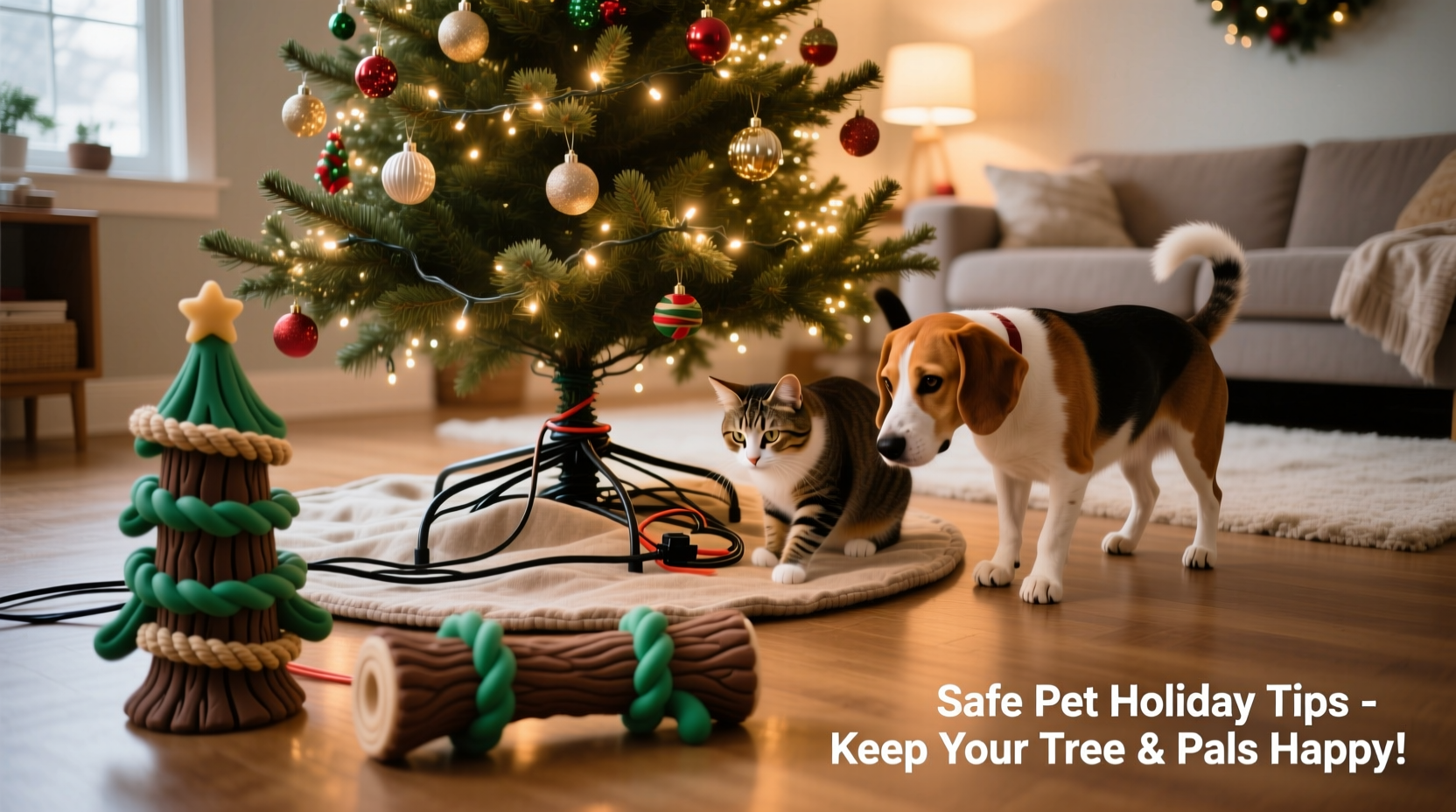
Before addressing solutions, it helps to understand the behavior behind the habit. Chewing is natural for dogs and cats, particularly during developmental stages. Puppies teethe between 3 and 6 months, seeking relief through gnawing. Cats may chew out of boredom or sensory stimulation—some are drawn to the slight vibration or warmth of active cords.
Stress also plays a role. The holidays bring changes—new decorations, visitors, altered routines—all of which can unsettle pets. A stressed animal may resort to destructive behaviors like chewing as a coping mechanism. Recognizing these triggers allows for more targeted prevention.
Additionally, some pets simply find cords interesting. The texture, movement underfoot, or crinkling sound when bitten can be stimulating. Once a pet associates chewing a cord with attention—even negative correction—they may repeat the behavior for interaction.
“Pets don’t chew wires out of mischief. They’re responding to instinct, environment, or unmet needs. Addressing the root cause is far more effective than punishment.” — Dr. Laura Bennett, DVM, Veterinary Behavior Specialist
Immediate Safety Measures to Protect Pets and Wiring
While long-term training and environmental adjustments are essential, immediate safeguards should come first. Your priority is eliminating danger before introducing new habits.
Begin by inspecting all cords connected to the tree. Ensure they are in good condition—no fraying, exposed copper, or cracked insulation. Use only UL-listed or certified holiday lights designed for indoor use. Avoid overloading outlets, which increases heat and fire risk.
Next, conceal and secure wiring. Run cords along baseboards, behind furniture, or inside cord covers—rigid plastic channels that snap shut over cables. These not only hide wires but make them physically inaccessible. For floor-level runs, use flat cord protectors that blend with flooring and resist pawing.
Unplug lights when unsupervised. Even with precautions, accidents happen. Turning off the tree overnight or when leaving the house removes electrical current, reducing risk significantly. Consider using a smart plug on a timer so lights operate only during waking hours.
Safe Alternatives to Traditional Wired Lights
One of the most effective long-term strategies is replacing conventional wired lighting with safer options. Several modern alternatives offer the same visual appeal without the hazards.
| Alternative | How It Works | Safety Benefit | Lifespan & Reusability |
|---|---|---|---|
| Battery-Operated LED Lights | Run on AA or AAA batteries; no wall plug needed | No live current; safe if chewed | Reusable; replace batteries yearly |
| Solar-Powered Mini Lights | Charged by daylight; used indoors at night | Low voltage; minimal shock risk | Durable; ideal for sunlit rooms |
| Fiber Optic Trees | Self-contained lighting within artificial tree | No external cords near pets | Long-lasting; one-time investment |
| Flameless LED Candles | Used around tree base for ambient glow | Cool to touch; no open flame or wire | Years of use; low energy cost |
Battery-operated string lights are widely available and increasingly realistic. Many feature timers, multiple modes (twinkle, fade), and warm white tones that mimic traditional incandescent bulbs. Because they require no outlet, they eliminate tripping hazards and pet exposure simultaneously.
Fiber optic trees take this further. Entirely self-lit, these pre-lit artificial trees route light through thousands of thin fibers, creating a shimmering effect without dangling wires. While less customizable than standard trees, they are ideal for homes with persistent chewers or very young pets.
Step-by-Step Guide to Pet-Proofing Your Christmas Tree
Prevention works best when systematic. Follow this timeline to ensure safety before, during, and after setup.
- Week 1: Plan and Prepare
Select a safe location for the tree—away from high-traffic areas and pet zones. Choose battery-powered lights or plan cord routing. Gather cord covers, bitter spray, and barriers. - Day of Setup: Secure the Base
Assemble the tree stand securely. Anchor the trunk to a wall using fishing line or a tree tether to prevent tipping if bumped. - Immediately After Setup: Conceal Wires
Route all cords behind furniture or inside protective channels. Tape down ends with painter’s tape to prevent lifting. - First 48 Hours: Supervise and Train
Allow pets to investigate the tree under close watch. Redirect chewing attempts with toys. Apply pet-safe bitter spray to visible cords. - Ongoing: Enforce Boundaries
Use baby gates or playpens to limit access when unsupervised. Rotate interactive toys near the tree to discourage focus on wiring. - Nightly: Unplug or Power Down
Turn off all electrical components when leaving the room or sleeping. Smart plugs simplify this step.
Behavioral Training and Environmental Enrichment
Physical barriers help, but lasting change comes from behavior modification. Teach pets that the tree zone is off-limits through positive reinforcement.
Start by defining the “no-go” area. Use scent markers—citrus peels, essential oil diffusers (pet-safe varieties like lavender in moderation), or commercial repellents—to create an olfactory boundary. Combine this with a verbal cue like “leave it” when your pet approaches.
Reward distance. When your dog stays away from the tree voluntarily, offer treats or praise. Over time, they’ll associate staying clear with positive outcomes. Never yell or punish—this increases anxiety and may worsen chewing.
Enrichment is equally important. Bored pets seek stimulation. Provide puzzle feeders, chew toys filled with peanut butter (xylitol-free), or frozen broth cubes during the holidays. Rotate toys every few days to maintain novelty.
For cats, consider vertical spaces. Install shelves or perches nearby so they can observe activity without needing to interact with the tree. Catnip-stuffed ornaments hung well above ground level can serve as legal chewing zones.
Mini Case Study: The Thompson Family’s Puppy-Proof Holiday
The Thompsons brought home a 5-month-old golden retriever named Milo just before Thanksgiving. Excited to include him in holiday traditions, they set up their usual six-foot fir tree—but within hours, Milo was tugging at the lights.
Instead of scolding, they took a structured approach. They replaced the bottom two strands with battery-powered LEDs, ran the remaining cords through a cord cover painted to match the baseboard, and anchored the tree to a wall stud. Around the trunk, they placed a low baby gate decorated with garland to maintain aesthetics.
They introduced a “tree treat game”: scattering kibble near (but not under) the tree only when Milo obeyed a “sit-stay” command. Within three days, he associated the area with calm behavior rather than chaos. By Christmas Eve, he would lie quietly nearby while the family opened presents.
Their strategy blended physical safety, behavioral training, and enrichment—a model that kept both Milo and the tree intact.
Checklist: Pet-Safe Christmas Tree Setup
- ✅ Choose a stable tree stand and anchor the tree to the wall
- ✅ Replace lower-string lights with battery-operated LEDs
- ✅ Route all cords through enclosed cord covers or behind furniture
- ✅ Use bitter-tasting spray on any accessible wire sections
- ✅ Place citrus peels or pet-safe deterrent scents around the base
- ✅ Install a baby gate or barrier if pets are highly curious
- ✅ Unplug lights when leaving the room or sleeping
- ✅ Provide alternative chew toys and rotate daily
- ✅ Supervise initial interactions and reward calm behavior
- ✅ Use a smart plug to automate on/off schedules
Frequently Asked Questions
Can I use regular tape to cover cords?
No. Regular tape, especially duct tape, can leave residue and may be chewed off easily. Worse, adhesive ingestion can cause gastrointestinal issues. Use cord covers or raceways instead—they’re designed for safety and durability.
Are wireless lights bright enough for a full tree?
Modern battery-operated LED strings are surprisingly bright and energy-efficient. While they may not match high-wattage traditional sets, many come in dense configurations (100+ bulbs per strand) and warm color temperatures that create a cozy glow. Layer several strands for fuller coverage.
What should I do if my pet already chewed a live wire?
Do not pull the pet away—this risks electric shock to you. Turn off power at the breaker immediately. Check your pet for burns, difficulty breathing, or seizures. Even if they seem fine, contact your veterinarian right away. Internal damage can be delayed.
Conclusion: A Safer, Happier Holiday for All
A joyful holiday doesn’t have to come at the expense of pet safety. With a few strategic adjustments—switching to safer lighting, concealing cords, and reinforcing positive behavior—you can enjoy a beautiful tree without constant worry. The key is preparation: act before problems arise, not after. Your pet’s curiosity is natural; your responsibility is to guide it safely.
This season, prioritize peace of mind alongside tradition. Implement one or more of these methods, and you’ll not only prevent accidents but strengthen trust with your pet. A little effort now ensures everyone—two-legged and four-legged—can celebrate in comfort and safety.




 浙公网安备
33010002000092号
浙公网安备
33010002000092号 浙B2-20120091-4
Comments
No comments yet. Why don't you start the discussion?