
During the holiday season, the Christmas tree becomes the centerpiece of celebration in many homes. But for pet owners, it introduces a hidden danger: the tree stand’s water reservoir. Cats and dogs, especially curious kittens or playful puppies, are often drawn to the fresh, still water at the base of the tree. What seems harmless can actually pose serious health risks. The water may contain preservatives, mold, bacteria, or even traces of pesticides from the tree itself—all toxic to animals. Preventing access isn’t just about discipline; it’s about proactive safety.
Understanding why pets are attracted to this water—and how to effectively block them—is essential for a joyful and safe holiday. With simple modifications, behavioral training, and physical barriers, you can protect your furry companions without sacrificing tradition.
Why Pets Are Drawn to Tree Stand Water
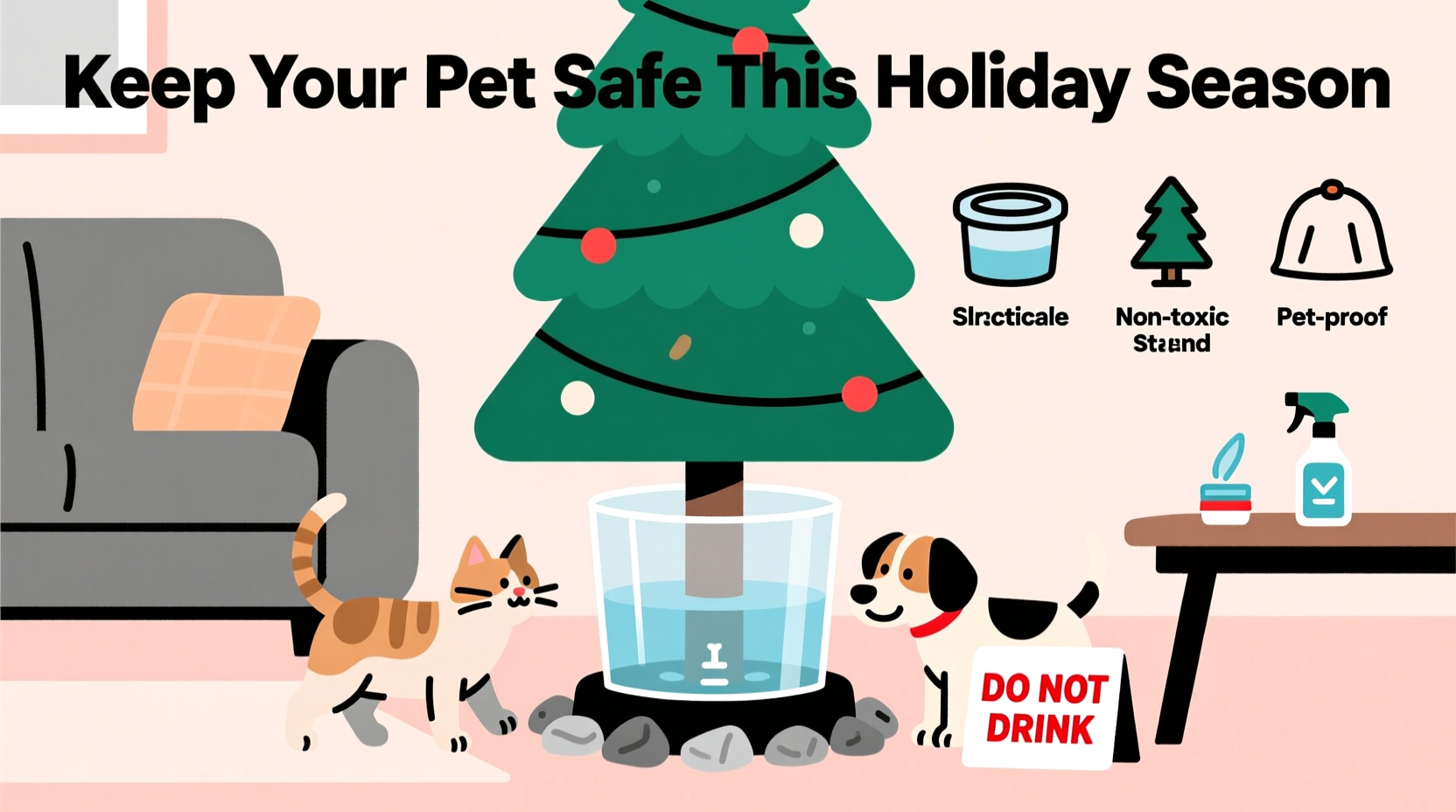
Pets, particularly cats, are naturally intrigued by moving or isolated sources of water. A stagnant bowl on the floor may be ignored, but the tree stand offers novelty. It’s often placed in a new location, reflects light, and may even have floating debris that sparks curiosity. Dogs might investigate out of boredom or thirst, especially if their own water bowls are empty or placed inconveniently.
Additionally, real Christmas trees release small amounts of sap and organic compounds into the water. These can alter the smell and taste, making it more appealing to animals with sensitive noses. Some commercial tree preservatives include fertilizers or mild biocides to extend freshness—ingredients that are hazardous if ingested.
“Even small sips of contaminated tree water can lead to gastrointestinal upset, lethargy, or worse in pets. Prevention is far safer than treatment.” — Dr. Rebecca Langston, DVM, Small Animal Toxicology Specialist
Health Risks of Drinking Tree Stand Water
The dangers go beyond mere inconvenience. Tree water can harbor multiple hazards:
- Bacteria and mold: Standing water, especially in warm indoor environments, breeds harmful microbes within days.
- Tree preservatives: Many store-bought additives contain sugars, fertilizers, or disinfectants not meant for animal consumption.
- Pesticide residue: Commercially grown trees may retain trace chemicals used during cultivation.
- Needles and debris: Floating pine needles can cause oral or intestinal irritation if ingested along with water.
Symptoms of ingestion include vomiting, diarrhea, drooling, loss of appetite, and in severe cases, liver or kidney damage. Kittens and small dogs are at higher risk due to lower body weight.
Effective Prevention Strategies
Keeping pets away from tree water requires both environmental management and behavioral awareness. Relying solely on supervision isn’t enough—accidents happen when you're distracted, asleep, or away from home. A layered approach delivers the best protection.
1. Use a Covered Tree Stand
The most direct solution is eliminating access. Modern tree stands come with built-in lids or opaque covers that seal the water reservoir while allowing you to refill through a small opening.
If your current stand lacks a cover, consider retrofitting it:
- Fashion a custom lid from sturdy plastic or acrylic cut to size.
- Use a child-safe, snap-on storage container lid that fits snugly over the base.
- Secure with tape or clips—but ensure it's easy for humans to open during refills.
2. Create a Physical Barrier
Block access entirely with a decorative fence or gate around the tree. Options include:
- Pet exercise pens (commonly used for puppies).
- Decorative room dividers or baby gates.
- DIY wooden or acrylic enclosures painted to match holiday décor.
Ensure the barrier is tall enough to deter jumping pets and wide enough to prevent tipping the tree during contact.
3. Relocate the Tree
Place the tree in a room that can be closed off when unsupervised. For example, use a spare bedroom or office accessible only during family gatherings. This works especially well in homes with multiple floors or defined living zones.
Avoid high-traffic areas near pet feeding stations or sleeping spots, which increase exposure time.
4. Train Your Pet with Positive Reinforcement
Behavioral training takes time but pays long-term dividends. Begin weeks before setting up the tree.
- Teach the “leave it” command using treats and repetition.
- Simulate the tree area with a mock stand (a bowl of water in a corner).
- Redirect attention when your pet approaches—use toys or verbal cues.
- Reward distance and disinterest generously.
Consistency is key. Involve all household members so rules remain uniform.
5. Make the Area Unappealing
Deterrence doesn’t have to be harsh. Use pet-safe repellents:
- Double-sided tape around the base—pets dislike sticky textures underfoot.
- Sprinkle citrus peels nearby (most cats hate the smell, though avoid direct contact).
- Use motion-activated air sprayers that emit a harmless puff when approached.
Always test deterrents in a small area first to ensure they don’t stress your pet unnecessarily.
Step-by-Step Prevention Timeline
Start early to build habits and install safeguards before the tree arrives.
| Week | Action | Goal |
|---|---|---|
| 4 Weeks Before | Begin “leave it” training; choose tree location. | Establish behavioral foundation. |
| 2 Weeks Before | Set up mock tree area; test barriers and covers. | Identify flaws in design or pet response. |
| 1 Week Before | Install final barrier; purchase covered stand if needed. | Ensure full readiness. |
| Tree Setup Day | Fill stand, secure cover, monitor pet reaction. | Immediate containment and observation. |
| Ongoing | Check water levels daily; reinforce training weekly. | Maintain vigilance throughout the season. |
Real-Life Example: The Thompson Family Solution
The Thompsons in Portland, Oregon, had a recurring problem every December. Their two cats, Luna and Milo, would drink from the Christmas tree stand within hours of setup—despite constant supervision. After Luna developed vomiting and required a vet visit one year, they decided to act.
They purchased a tree stand with a locking plastic lid, which allowed refilling via a small cap. They also set up a collapsible metal playpen around the tree, decorated with ribbons to blend in. To train the cats, they used clicker training to reward staying outside a taped boundary on the floor.
Within ten days, both cats avoided the area entirely. The combination of physical barrier, secure water access, and positive reinforcement worked where scolding never had.
“We still keep an eye on them,” says Sarah Thompson, “but now we’re not stressed every time we turn our backs.”
Do’s and Don’ts: Quick Reference Table
| Do | Don't |
|---|---|
| Use a covered tree stand | Leave water fully exposed |
| Place barriers around the tree | Assume your pet will “learn” over time |
| Refill water when pets aren’t around | Add chemical preservatives to the water |
| Train with rewards and consistency | Yell or punish after the fact |
| Inspect water for mold daily | Use tap water with added sugar or aspirin |
FAQ: Common Concerns Answered
Can I use aluminum foil around the base to deter my cat?
Yes, many cats dislike the texture and sound of crinkling foil. Lay it smooth-side-up around the tree stand as a temporary barrier. However, it’s not a long-term solution—curious pets may eventually step on it, and it can look messy. Combine it with other methods for better results.
Is distilled water safer if my pet drinks it?
Distilled water reduces mineral buildup and slows algae, but it doesn’t eliminate biological contaminants once the tree starts shedding. More importantly, it won’t neutralize toxins from preservatives or pesticides. Safety comes from preventing access—not improving water quality.
What if I have a large dog that can knock over barriers?
For strong or energetic dogs, use sturdier enclosures like welded wire panels anchored to the wall. You can drape fabric around them for aesthetics. Also reinforce training with commands like “stay” and “out,” and consider crating the dog during unattended periods if necessary.
Essential Checklist: Protect Your Pet This Holiday
- ✅ Choose a tree stand with a secure, closable lid.
- ✅ Position the tree in a low-traffic or closable room.
- ✅ Install a physical barrier (gate, pen, or enclosure).
- ✅ Begin training your pet with “leave it” and redirection weeks in advance.
- ✅ Avoid chemical preservatives in the tree water.
- ✅ Check the water daily for debris, mold, or evaporation.
- ✅ Refill the stand only when pets are elsewhere.
- ✅ Use pet-safe deterrents like double-sided tape or motion sensors.
- ✅ Monitor your pet’s behavior around the tree for signs of interest.
- ✅ Consult your vet if you suspect your pet has ingested any tree water.
Conclusion: A Safer Holiday Starts with Awareness
The Christmas tree symbolizes joy, warmth, and tradition—but it shouldn’t come at the cost of your pet’s well-being. Preventing access to tree stand water isn’t an extreme measure—it’s responsible pet ownership. With thoughtful planning, simple tools, and consistent effort, you can enjoy the holidays knowing your furry family members are safe.
Start today. Inspect your current tree stand. Observe how your pet interacts with water sources. Implement one or two strategies now, so by the time the lights go up, your home is ready for festive cheer—without hidden risks.




 浙公网安备
33010002000092号
浙公网安备
33010002000092号 浙B2-20120091-4
Comments
No comments yet. Why don't you start the discussion?