
Knit sweaters are timeless wardrobe staples—soft, warm, and effortlessly stylish. But over time, even the most luxurious knits can develop unsightly pills: those small, fuzzy balls that form on fabric surfaces due to friction and wear. While pilling doesn’t mean your sweater is ruined, it can make a garment look worn out long before its time. The good news? With smart laundering techniques and a few clever household tricks, you can dramatically reduce or even prevent pilling altogether. This guide breaks down practical, science-backed methods to preserve your knitwear’s smooth finish and extend its life—without expensive products or complicated routines.
Understanding Why Knit Sweaters Pill
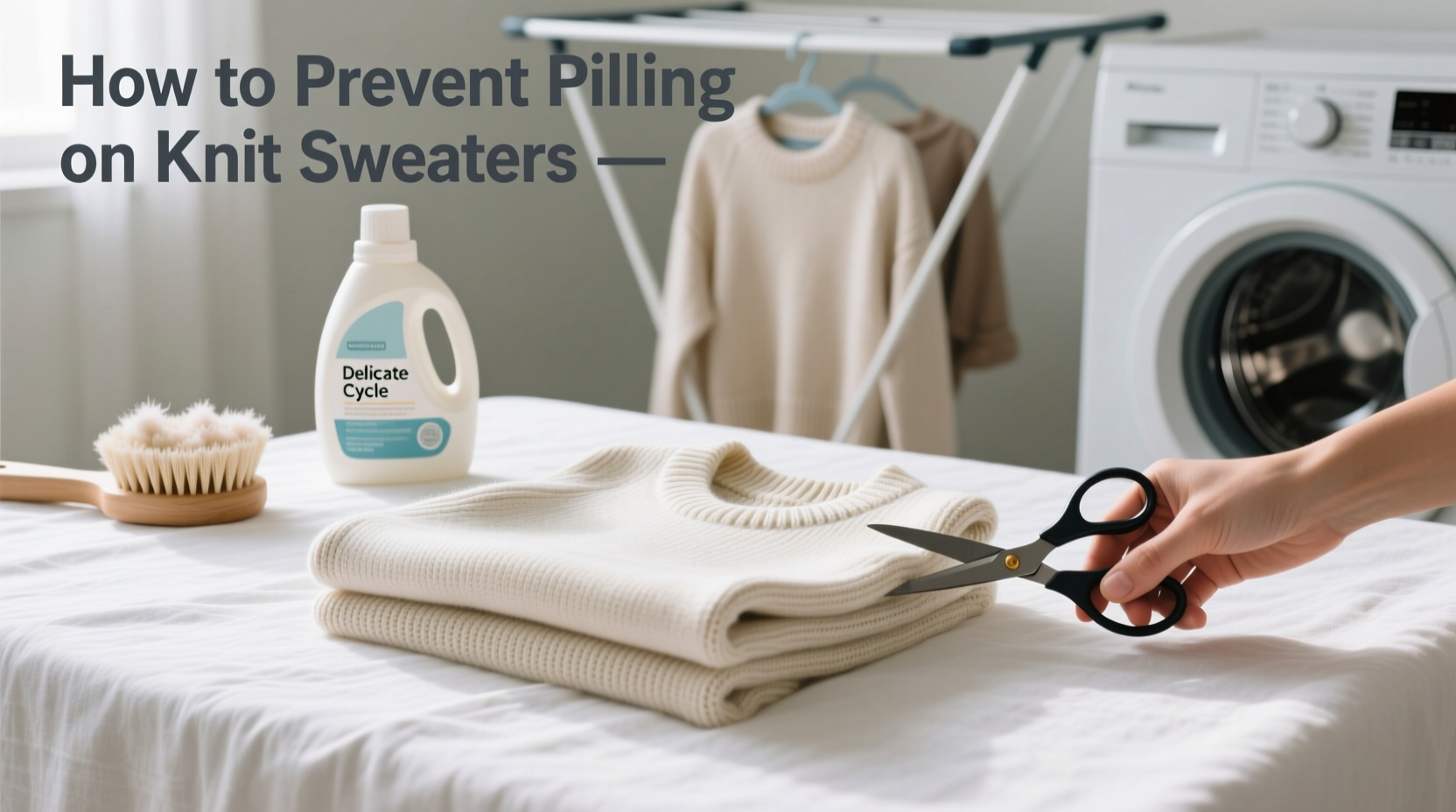
Pilling occurs when short fibers on the surface of a fabric break free from the yarn structure and tangle into little knots. In knit sweaters, this is especially common in areas with high friction—underarms, sleeves, and along the sides where layers rub together. Materials like wool, cotton, cashmere, and synthetic blends are all susceptible, though lower-twist yarns and looser weaves tend to pill more easily.
Frequent causes include:
- Aggressive washing cycles that create friction
- Drying in high heat, which weakens fibers
- Wearing tight outer layers that rub against the sweater
- Poor fiber quality or loosely spun yarns
While some pilling is inevitable with regular use, how you care for your sweater plays a major role in how quickly and severely it appears. By adjusting your laundry habits and handling, you can slow the process significantly.
“Pilling isn’t a defect—it’s a natural result of fiber stress. But proper care can delay it by months or even years.” — Dr. Lena Peterson, Textile Scientist at the Institute for Fabric Innovation
Step-by-Step Guide to Washing Knit Sweaters Safely
The way you wash your sweater has the biggest impact on pilling. Most damage happens during laundering, not wear. Follow this detailed routine to minimize fiber stress:
- Turn the sweater inside out before washing. This shields the outer surface from abrasion and helps preserve color and texture.
- Use a mesh laundry bag designed for delicates. This contains movement and prevents snagging against other clothes.
- Choose cold water and a gentle cycle. Hot water relaxes fibers, making them more prone to breaking and tangling. Cold water maintains fiber integrity.
- Select a mild detergent formulated for wool or delicates. Harsh detergents strip natural oils and weaken fibers. Avoid bleach and enzyme-based cleaners, which can degrade protein-based fibers like wool and cashmere.
- Never overload the machine. Crowding increases friction between garments. Wash one or two sweaters at a time with soft items like towels or other knits.
- Air dry flat on a clean towel. Hanging a wet sweater stretches the fibers and encourages sagging and surface stress. Lay it flat away from direct sunlight or heat sources to maintain shape and prevent weakening.
Do’s and Don’ts of Sweater Care
Making small changes in your daily habits can have an outsized effect on preventing pilling. Refer to this table to avoid common mistakes and adopt best practices.
| Do’s | Don’ts |
|---|---|
| Store folded, not hung – Prevents shoulder bumps and fiber strain. | Hang knit sweaters – Causes stretching and weakens fabric over time. |
| Use a fabric shaver sparingly – Removes pills without damaging base fabric if used correctly. | Rub pills off with fingers – Pulls on surrounding fibers and worsens the problem. |
| Rotate your sweater wear – Gives fibers time to recover between uses. | Wear the same sweater multiple days in a row – Increases friction and fatigue. |
| Layer with smooth fabrics – Reduces rubbing from rougher outerwear. | Pair with denim jackets or backpacks – These materials create high friction. |
| Keep moths away with cedar blocks – Protects fibers from insect damage. | Store in plastic bags long-term – Traps moisture and promotes fiber breakdown. |
Real Example: How Sarah Saved Her Favorite Cashmere Sweater
Sarah, a teacher from Portland, noticed her favorite gray cashmere sweater was developing pills after just three months of winter wear. She loved the fit and warmth but was frustrated by the fuzzy appearance. After researching care methods, she changed her routine completely. Instead of tossing the sweater in with her regular laundry, she began handwashing it every fourth wear using cold water and baby shampoo—a gentle cleanser with no sulfates. She stored it folded in a breathable cotton drawer liner and stopped wearing it under heavy backpacks during her commute. She also invested in a $15 fabric shaver to gently remove any minor pills before they spread.
After six months, her sweater looked nearly new. “I was ready to donate it,” she said. “But now I realize I just wasn’t caring for it right. It’s still my go-to piece.”
Sarah’s experience shows that consistent, mindful care—not frequency of wear—is what determines a sweater’s lifespan.
Simple Laundry Hacks That Make a Difference
You don’t need specialty products to protect your knits. Everyday household items can serve as effective tools in preventing pilling:
- Vinegar rinse (once a month): Add ½ cup of white vinegar to the rinse cycle. It helps set fibers, removes detergent residue, and softens fabric naturally—reducing stiffness that leads to breakage.
- Freeze the sweater (for light refresh): If the sweater isn’t dirty but smells slightly musty, place it in a sealed bag and freeze overnight. Cold kills odor-causing bacteria without washing, reducing wear on fibers.
- Use a dryer sheet in storage: Tuck a used dryer sheet into folded sweaters to repel static and reduce fiber attraction to dust and lint, which can contribute to surface fuzz.
- Spot clean instead of full wash: For minor stains or collar grime, dab with a cloth dampened in soapy water. Full washes accelerate wear; targeted cleaning preserves fabric.
- Wash less often: Unless visibly soiled or smelly, knit sweaters don’t need washing after every wear. Air them out between uses by hanging in a ventilated area for a few hours.
Checklist: Weekly Knitwear Maintenance Routine
Stay ahead of pilling with this quick weekly checklist:
- ☐ Inspect sweaters for early signs of pilling or loose threads
- ☐ Air out worn sweaters before storing
- ☐ Fold and store properly in a cool, dry drawer or shelf
- ☐ Remove pills gently with a fabric shaver or sweater stone (not scissors!)
- ☐ Check for moth activity or musty odors
- ☐ Rotate which sweaters you wear to give fibers recovery time
FAQ: Common Questions About Sweater Pilling
Does pilling mean my sweater is low quality?
Not necessarily. Even high-end cashmere and merino wool can pill due to friction and fiber characteristics. Quality affects how long the sweater lasts and how well it recovers, but no natural knit is completely immune. Proper care makes the difference in longevity.
Can I stop pilling completely?
It’s difficult to eliminate pilling entirely, especially with frequent wear. However, you can reduce it dramatically by following gentle washing practices, avoiding abrasive layers, and maintaining the fabric. Prevention is about consistency, not perfection.
Is it safe to use a fabric shaver on delicate knits?
Yes, if done carefully. Use light, even strokes and avoid pressing too hard. Test on an inconspicuous area first. For very fine knits like cashmere, consider a manual sweater stone or comb instead, which offer more control and less risk of cutting yarn.
Conclusion: Small Habits, Lasting Results
Your knit sweaters deserve more than being tossed into the laundry and forgotten. They’re investments in comfort, style, and seasonal versatility. By adopting simple, thoughtful habits—like turning garments inside out, washing less frequently, and storing with care—you protect the integrity of the fibers and delay the onset of pilling. These aren’t drastic changes, but their cumulative effect is powerful. A sweater that might have looked tired in a season can stay smooth and wearable for years.
Start today. Pick one sweater from your closet and give it the care it deserves. Then make it a habit. Your wardrobe—and your future self—will thank you.




 浙公网安备
33010002000092号
浙公网安备
33010002000092号 浙B2-20120091-4
Comments
No comments yet. Why don't you start the discussion?