
Polyester is a popular fabric for its durability, wrinkle resistance, and affordability. But during the dry winter months, it becomes notorious for generating static cling—an annoying phenomenon where clothing sticks uncomfortably to your body or other garments. This occurs because low humidity reduces moisture in the air, allowing electrons to build up on synthetic fibers like polyester. The result? Clothes that crackle, cling, and attract lint and pet hair. Fortunately, with the right strategies, you can significantly reduce or eliminate static cling. This guide covers practical, tested methods—from laundry adjustments to daily wear tips—that keep your polyester wardrobe comfortable and professional all season long.
Why Polyester Clings More in Winter
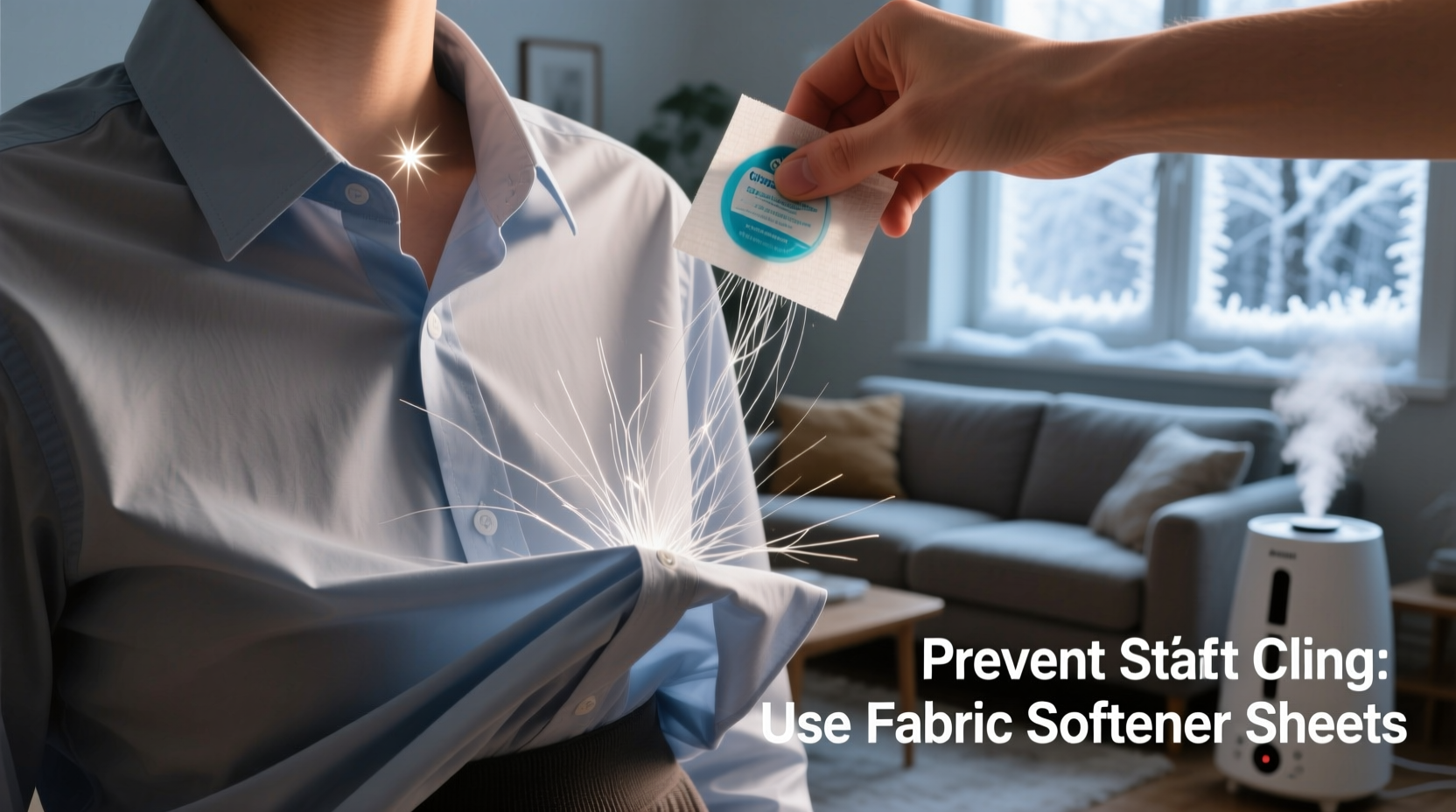
Polyester is a synthetic fiber made from petroleum-based polymers. Unlike natural fibers such as cotton or wool, it does not absorb moisture well. In humid conditions, ambient moisture helps dissipate electrical charges. But in winter, indoor heating systems drop relative humidity levels—often below 30%. In this dry environment, friction between fabrics (like when you walk or sit) generates static electricity that has nowhere to go, causing clothes to cling.
The problem intensifies when polyester rubs against itself or other synthetics, especially in layered outfits. Skirts stick to tights, shirts cling to sweaters, and jackets generate sparks when removed. Beyond discomfort, static can also degrade fabric over time by increasing surface abrasion.
“Synthetic fabrics are excellent insulators, which means they trap electric charge. In dry air, that charge builds until it discharges—either as a shock or persistent clinging.” — Dr. Lena Patel, Textile Physicist, University of Massachusetts Lowell
Laundry Adjustments to Reduce Static at the Source
The best defense against static cling starts in the laundry room. What you add—or don’t add—to your wash and dry cycles plays a major role in how your clothes behave afterward.
Use White Vinegar in the Rinse Cycle
Vinegar is a natural fabric softener that helps break down detergent residue, which can contribute to static buildup. Add half a cup of distilled white vinegar to the rinse cycle. It won’t leave a smell once dried and improves fabric softness without coating fibers like commercial softeners do.
Avoid Over-Drying
Over-drying is one of the top causes of static in polyester. High heat removes every trace of moisture, creating ideal conditions for static. Remove clothes from the dryer while slightly damp, then hang or lay flat to finish drying. If using a dryer, choose a lower heat setting and use the “less dry” or “cool down” cycle if available.
Try Wool Dryer Balls Instead of Sheets
Dryer sheets coat fabrics with a waxy, cationic surfactant that neutralizes static—but they also reduce towel absorbency and can irritate sensitive skin. Wool dryer balls offer a chemical-free alternative. They separate clothes in the dryer, improving airflow and reducing drying time. For added anti-static power, add a few drops of essential oil to the balls before drying.
Effective Anti-Static Solutions for Worn Clothing
Sometimes, despite careful laundering, static still strikes. These in-the-moment fixes are quick, accessible, and highly effective.
Moisturize Your Skin
Dry skin increases personal static conductivity. Applying lotion immediately after showering creates a moisture barrier that minimizes charge transfer between your body and clothing. Focus on legs, arms, and torso—areas most prone to skirt and shirt cling.
Carry a Metal Hanger or Safety Pin
Touching a metal object discharges built-up static. Keep a small metal hanger in your office or a safety pin in your pocket. Before standing up or removing a garment, touch the metal to ground yourself. A paperclip works too—just unfold it and hold one end while touching the other to a grounded surface.
Use Hairspray or Leave-In Conditioner (Lightly)
In a pinch, a light mist of hairspray on the inside of a clinging garment can neutralize static. Hold the can 10–12 inches away and spray once or twice. Alternatively, dilute a dime-sized amount of leave-in conditioner with water in a spray bottle and apply sparingly. Both add temporary moisture and weight to fibers.
“I keep a travel-size moisturizer and a mini spray bottle with water-conditioner mix in my work bag. Five seconds of misting saves me from adjusting my skirt all day.” — Maria Tran, Office Manager, Chicago
Home Environment & Humidity Control
Since dry air is the root cause of winter static, increasing indoor humidity is one of the most effective long-term solutions.
Use a Humidifier
Maintaining indoor humidity between 40% and 50% drastically reduces static buildup. Use a hygrometer to monitor levels. Whole-house humidifiers attached to HVAC systems offer the most consistent results, but portable units in bedrooms or living areas also help. Cool-mist models are energy-efficient and safe around children and pets.
Hang Damp Towels Near Heat Sources
If you don’t have a humidifier, place a damp towel over a radiator or near a heating vent. As it evaporates, it adds moisture to the air. Re-wet the towel every few hours for continuous effect. Avoid placing fabric directly on hot surfaces to prevent fire hazards.
| Humidity Level | Static Risk | Recommended Action |
|---|---|---|
| <30% | High | Add humidifier, avoid synthetic layers |
| 30–40% | Moderate | Use lotion, dryer balls, moisturizing sprays |
| 40–50% | Low | Maintenance only |
| >50% | Minimal | No action needed |
Step-by-Step Routine to Prevent Static Cling
Follow this daily and weekly routine to stay ahead of static issues:
- Wash smart: Use cold water, mild detergent, and add ½ cup white vinegar to the rinse cycle.
- Dry wisely: Tumble dry on low heat with 2–3 wool dryer balls. Remove clothes slightly damp.
- Store properly: Fold or hang polyester clothes in a closet with moderate airflow. Avoid plastic bags, which trap dry air.
- Morning prep: Apply body lotion after showering, focusing on legs and arms.
- Before dressing: Lightly mist the inside of static-prone garments with water or a DIY anti-static spray (1 part conditioner to 10 parts water).
- During the day: Carry a metal object (safety pin, key) to discharge static before shocks occur.
- Evening: Let clothes air out overnight instead of tossing them into a hamper immediately.
Checklist: Anti-Static Essentials for Winter
- ✅ Wool dryer balls (2–3)
- ✅ Distilled white vinegar (for rinse cycle)
- ✅ Body lotion (unscented or hypoallergenic)
- ✅ Small spray bottle with water-conditioner mix
- ✅ Humidifier (with hygrometer)
- ✅ Aluminum foil ball or metal hanger for dryer
- ✅ Cotton underlayers for high-friction areas
- ✅ Natural fiber blankets or throws (to reduce home static)
Real-Life Example: Solving Static in a Corporate Office
Jamal, a sales executive in Minneapolis, struggled every winter with his polyester dress pants clinging to his wool socks. The constant adjustment was unprofessional during client meetings. After tracking the issue, he realized his office’s heating system dropped humidity to 25%. He introduced a desktop humidifier, switched to wool dryer balls, and began applying leg lotion each morning. Within a week, the static vanished. His colleagues noticed the change and adopted similar habits, leading the office manager to install central humidification by the following winter.
This case illustrates how individual actions can lead to broader environmental improvements—and underscores the importance of addressing both personal care and ambient conditions.
Frequently Asked Questions
Can I use fabric softener on polyester?
You can, but it's not ideal. Liquid fabric softeners and dryer sheets coat polyester fibers with chemicals that reduce breathability and may cause yellowing over time. They also diminish wicking properties in performance wear. Opt for white vinegar or wool dryer balls instead for safer, longer-lasting results.
Does washing polyester in cold water help with static?
Yes. Cold water reduces fiber stress and prevents excessive drying of synthetic materials. It also saves energy and helps preserve color. Combined with vinegar in the rinse cycle, cold washing supports softer, less static-prone garments.
Are there anti-static sprays I can make at home?
Absolutely. Mix 1 cup of water with 1 tablespoon of liquid fabric softener or 1 teaspoon of hair conditioner in a spray bottle. Shake well and mist the inside of clothing lightly. Avoid over-spraying, which can leave residue. Test on an inconspicuous area first.
Conclusion: Take Control of Winter Static
Static cling in polyester clothes isn’t inevitable—it’s a solvable problem rooted in dryness and friction. By adjusting your laundry habits, managing indoor humidity, and adopting simple personal routines, you can move through winter comfortably and confidently. The solutions don’t require expensive gadgets or complicated steps. Often, it’s the smallest changes—like adding vinegar to a rinse cycle or carrying a metal pin—that make the biggest difference.




 浙公网安备
33010002000092号
浙公网安备
33010002000092号 浙B2-20120091-4
Comments
No comments yet. Why don't you start the discussion?