
Winter brings cozy sweaters, wool scarves, and layered outfits—but it also brings an annoying side effect: static cling. That sudden zap when you touch a doorknob or the constant struggle with a skirt clinging to tights isn’t just uncomfortable; it can ruin your confidence in everyday moments. The dry air, synthetic fabrics, and friction from layers all contribute to this seasonal nuisance. The good news? You don’t need expensive gadgets or complex routines to stop static in its tracks. With a few smart, science-backed tricks, you can eliminate static cling instantly and keep your winter wardrobe looking polished and comfortable.
The Science Behind Winter Static Cling
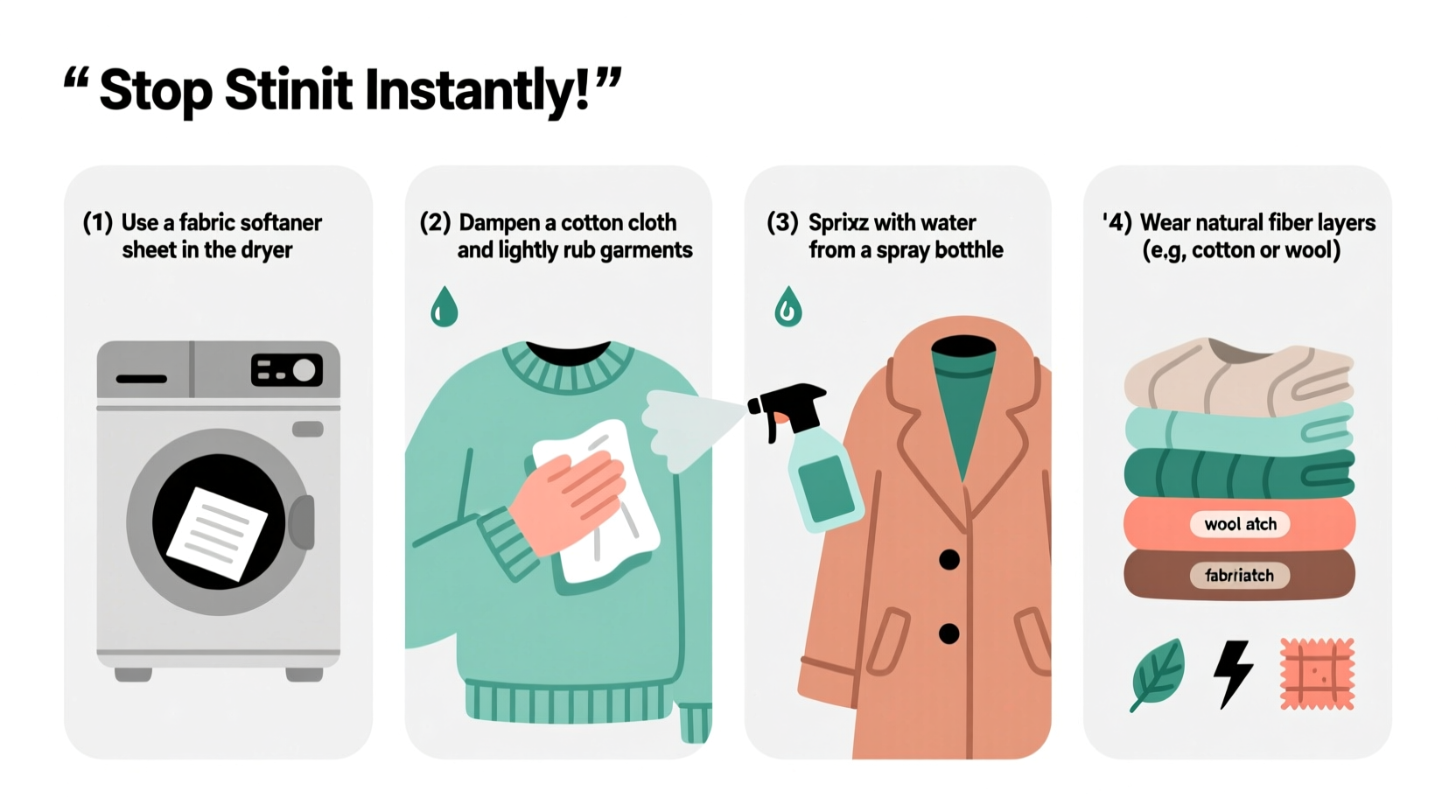
Static electricity occurs when electrons transfer between materials through friction. In winter, indoor heating reduces humidity, drying out the air. Dry air is a poor conductor of electricity, so charges build up on clothing surfaces instead of dissipating naturally. When you move, fabrics rub together—especially synthetic ones like polyester, nylon, or acrylic—generating an imbalance of electrical charge. This imbalance causes clothes to stick to your body or each other, or results in small but startling shocks.
Natural fibers like cotton, wool, and silk are less prone to static because they retain moisture better than synthetics. However, many winter garments blend natural and synthetic fibers for durability and warmth, making them vulnerable to static buildup. Understanding this mechanism helps target solutions effectively—not just treating symptoms but preventing the root cause.
“Low humidity is the primary culprit behind winter static. Maintaining even 40% relative humidity indoors can reduce static incidents by over 70%.” — Dr. Lena Patel, Environmental Physicist at the Institute for Indoor Climate Research
Immediate Fixes for Instant Relief
Sometimes you need a fast solution—like when you're already dressed and your shirt refuses to stay tucked. These methods work within seconds and require items you likely already have at home.
1. Use a Metal Hanger or Safety Pin
Carry a metal coat hanger or clip a safety pin to the inside seam of your garment. Metal conducts electricity and safely discharges built-up static when it touches your skin or another surface. Run the hanger over the inside of the fabric, or let the pin lightly touch your leg under a skirt—it neutralizes the charge almost instantly.
2. Dampen Hands and Smooth Over Clothes
Wet your hands slightly (just damp, not dripping) and run them over the clinging areas. Water adds temporary moisture to the fabric, breaking the static seal. This works especially well for lightweight blouses, skirts, or dresses. For best results, use lukewarm water and avoid soaking delicate fabrics.
3. Apply Hairspray or Dryer Sheets
Hold a dryer sheet (like Bounce or Woolite) against the inside of the garment and gently swipe it down. The anti-static chemicals transfer to the fabric and neutralize the charge. Alternatively, lightly mist hairspray (from 10–12 inches away) on the underside of the garment. Let it dry before wearing. Avoid overspraying, as residue can stain.
4. Carry a Portable Humidifier or Moisture Wipe
Mini personal humidifiers or pre-moistened wipes designed for electronics (which are anti-static) can be discreetly used on clothing. A quick wipe across the inner lining introduces enough moisture to disrupt static without damaging fabric.
Long-Term Prevention Strategies
While quick fixes help in emergencies, building habits that prevent static from forming in the first place is far more effective. These strategies integrate seamlessly into your laundry and dressing routine.
Wash with Vinegar or Wool Dryer Balls
Add ½ cup of white vinegar to the rinse cycle instead of fabric softener. Vinegar naturally softens fibers and reduces static without leaving residue. Alternatively, use wool dryer balls. They separate clothes in the dryer, improving airflow and reducing drying time, which minimizes static buildup. Add 3–4 drops of essential oil to the balls if you want a light scent.
Mist Clothes with a DIY Anti-Static Spray
Create a reusable spray using one part liquid fabric softener and ten parts water in a spray bottle. Lightly mist the inside of garments before wearing. Store the mixture in a cool place and shake before each use. This method is cost-effective and customizable—add lavender or tea tree oil for fragrance and mild antimicrobial benefits.
Choose Natural Fibers When Possible
Opt for clothing made of cotton, wool, linen, or modal. These materials absorb moisture from the air, reducing the likelihood of static. If you must wear synthetics, layer them over natural fiber base layers (e.g., cotton undershirts) to create a buffer zone that limits charge accumulation.
Hydrate Skin and Air
Dry skin amplifies static issues. Use a rich moisturizer daily, especially on legs and arms. At home, maintain indoor humidity between 40% and 60% using a central or room humidifier. This single step dramatically reduces both static shocks and cling throughout the season.
Do’s and Don’ts: What Works (and What Doesn’t)
| Do | Don't |
|---|---|
| Use a metal object to discharge static before touching metal surfaces | Rub synthetic fabrics vigorously together (increases charge) |
| Add moisture to the air with a humidifier | Over-dry clothes in the dryer (leads to brittleness and more static) |
| Wear leather-soled shoes instead of rubber (rubber insulates charge) | Use aerosol sprays directly on delicate fabrics like silk |
| Apply lotion to skin before dressing | Store clothes in plastic bags (traps dry air) |
| Use dryer balls instead of dryer sheets (less chemical residue) | Wear multiple synthetic layers without breaks |
Real-Life Example: Office Worker Tackles Daily Static Issues
Sarah, a marketing executive in Chicago, dreaded winter commutes. Her wool coat would spark every time she touched the subway pole, and her polyester-blend dress would cling awkwardly to her tights by mid-morning. After researching solutions, she implemented three changes: she started applying unscented hand cream before leaving home, kept a mini spray bottle with diluted fabric softener in her desk drawer, and replaced her plastic laundry dryer sheets with wool dryer balls.
Within a week, the shocks stopped. She noticed her clothes felt softer and didn’t stick as much. Colleagues even commented on how put-together she looked. “I didn’t realize static was affecting my professional image,” Sarah said. “Now I barely think about it—I just mist and go.”
Step-by-Step Guide: Eliminate Static in 5 Minutes or Less
- Assess the Problem Area: Identify where static is occurring—skirt on tights, shirt to sweater, etc.
- Discharge Existing Static: Swipe the inside of the garment with a metal hanger or safety pin to neutralize the charge.
- Add Light Moisture: Dampen hands or use a fine-mist anti-static spray on the inner fabric. Avoid over-wetting.
- Moisturize Skin: Apply lotion to exposed or covered skin areas (legs, arms) to reduce conductivity differences.
- Test Movement: Walk, sit, and stand to ensure the fabric no longer clings. Reapply if necessary.
This sequence takes less than five minutes and can be done at home, in the office bathroom, or even in your car. It’s ideal for last-minute fixes before meetings or social events.
Frequently Asked Questions
Can I use baby wipes to remove static from clothes?
Yes, but with caution. Alcohol-free baby wipes can add slight moisture and reduce static when wiped on the inside of a garment. However, wipes with fragrances or preservatives may leave residues or irritate sensitive skin. Test on an inconspicuous area first.
Why do some clothes generate more static than others?
Clothes made from synthetic fibers (polyester, nylon, acrylic) are more prone to static because they don’t conduct moisture well. Blends with high synthetic content, especially when rubbed against dry skin or other synthetics, generate more friction-based charge. Natural fibers absorb ambient moisture, helping dissipate static naturally.
Is it safe to use dryer sheets on all fabrics?
Most dryer sheets are safe for cotton, polyester, and blends, but they can leave a waxy buildup on towels and athletic wear, reducing absorbency and breathability. They’re also not recommended for flame-resistant children’s sleepwear. For delicate or technical fabrics, opt for wool dryer balls instead.
Checklist: Prevent Static Cling This Winter
- ✅ Install a hygrometer to monitor indoor humidity
- ✅ Use a humidifier to maintain 40–60% humidity at home
- ✅ Replace fabric softener with white vinegar or wool dryer balls
- ✅ Create a DIY anti-static spray (1 part softener : 10 parts water)
- ✅ Apply moisturizer before getting dressed
- ✅ Carry a metal safety pin or dryer sheet in your bag
- ✅ Choose natural fiber base layers under synthetic outerwear
- ✅ Avoid over-drying clothes—remove while slightly damp and air-dry the rest of the way
Conclusion: Stay Comfortable and Confident All Winter
Static cling doesn’t have to be an inevitable part of winter dressing. By understanding how static forms and using simple, immediate tools at your disposal, you can stay shock-free and sleek from morning to night. The key is consistency—small habits like moisturizing skin, adjusting laundry routines, and managing indoor humidity compound into dramatic improvements in comfort and appearance.




 浙公网安备
33010002000092号
浙公网安备
33010002000092号 浙B2-20120091-4
Comments
No comments yet. Why don't you start the discussion?