
Wool skirts are a winter wardrobe staple—warm, elegant, and timeless. But when cold, dry air settles in, so does an unwelcome side effect: static cling. Suddenly, your sleek A-line skirt clings to tights, zips up your leg, or crackles every time you sit down. Beyond being annoying, persistent static can damage delicate fibers over time. The good news? With the right knowledge and habits, you can keep your wool skirts looking polished and static-free—even in the driest months.
Static electricity occurs when electrons transfer between materials through friction—commonly between wool and synthetic fabrics like polyester or nylon. Dry air worsens the problem because moisture in humid environments naturally dissipates electrical charges. In winter, indoor heating reduces relative humidity to desert-like levels (often below 30%), creating ideal conditions for static buildup. Understanding this cycle is the first step toward prevention.
Understanding Wool and Static Electricity
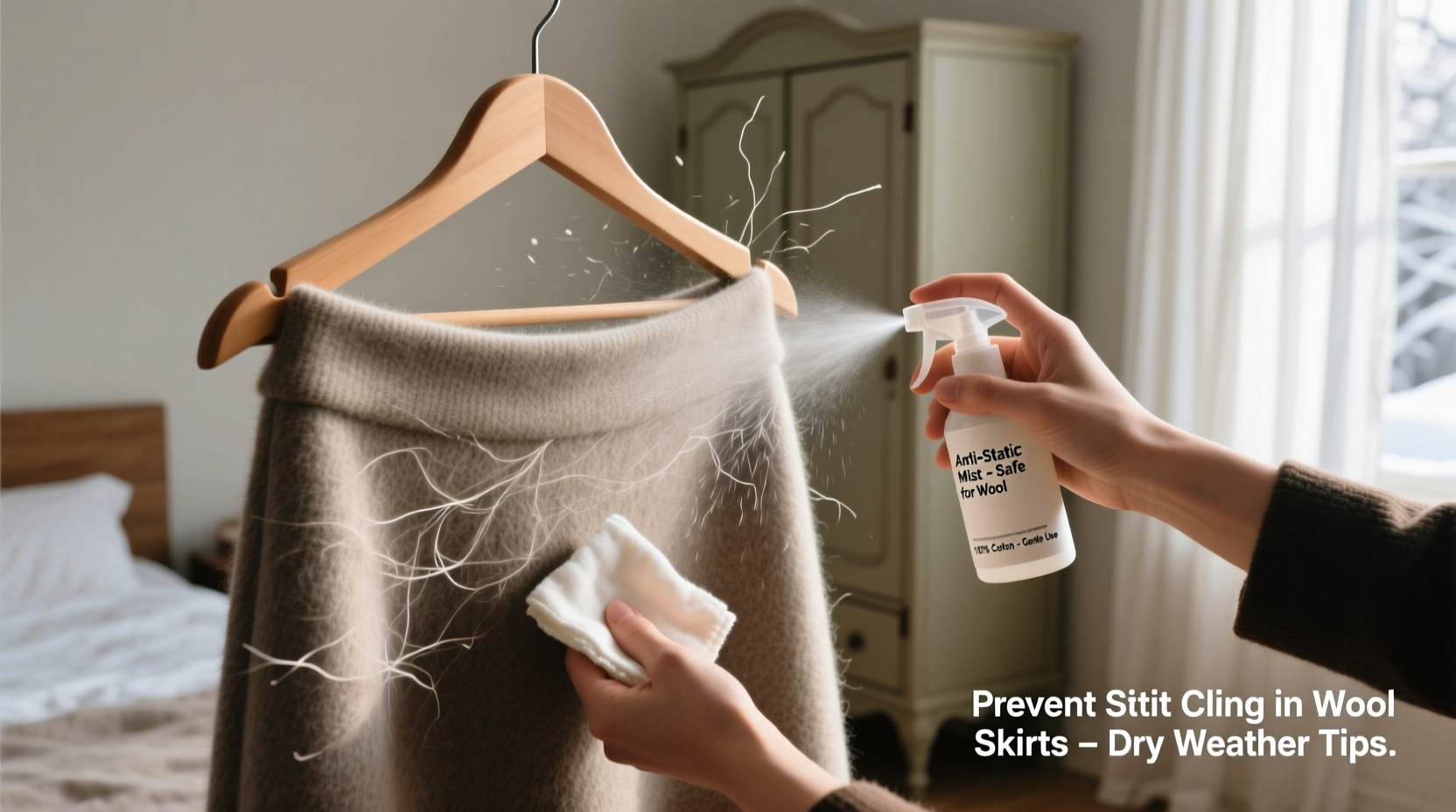
Wool is a natural protein fiber with excellent insulating properties, but it’s also hygroscopic—meaning it absorbs and releases moisture depending on environmental conditions. When wool loses too much moisture, its surface becomes more prone to electron transfer, especially when rubbed against synthetic materials. This triboelectric effect is what causes that familiar zap or clinging sensation.
Not all wool behaves the same way. Merino wool, for instance, has finer fibers and a smoother surface, making it less likely to generate static than coarser wools like Shetland or lambswool. Blends containing synthetic fibers (e.g., acrylic, nylon) increase static risk significantly. Always check garment labels before purchasing or laundering.
“Natural fibers like wool are inherently better at managing moisture than synthetics, but they need help in extremely dry environments.” — Dr. Lena Patel, Textile Scientist, Royal School of Textiles
The key to preventing static isn’t just about avoiding shocks—it’s about maintaining the integrity of your garments and ensuring comfort throughout the day. Below are proven strategies grounded in textile physics and real-world wearability.
Effective Prevention Strategies
Preventing static cling requires a multi-layered approach: adjusting how you care for your wool skirt, modifying your environment, choosing compatible underlayers, and using targeted anti-static aids.
1. Increase Ambient Humidity
Dry air is the primary enabler of static buildup. Raising indoor humidity to 40–60% neutralizes electrical charges before they accumulate. Use a digital hygrometer to monitor levels in your home or office.
A portable humidifier in frequently used rooms—especially bedrooms and living areas—can make a dramatic difference. Opt for ultrasonic models that disperse cool mist quietly and efficiently. Avoid over-humidifying, as excess moisture may promote mold growth or wool mildew.
2. Choose the Right Undergarments
What you wear beneath your wool skirt plays a crucial role in static generation. Synthetic tights or slips act as electron donors, increasing charge separation when in contact with wool.
- Cotton slips: Provide a breathable, natural barrier between skin and wool.
- Silk or modal liners: Smooth, low-friction layers that reduce rubbing.
- Anti-static tights: Some brands incorporate conductive fibers (like carbon or silver threads) to dissipate charge.
When possible, avoid full synthetic underlayers. If you must wear nylon tights, opt for matte finishes rather than shiny varieties, which tend to generate more friction.
3. Treat Fabrics with Anti-Static Solutions
Commercial anti-static sprays work by coating fibers with a thin layer of conductive chemicals that allow charges to dissipate. However, many contain alcohol or synthetic fragrances that may degrade wool over time.
A safer alternative is a DIY solution:
- Mix one cup of distilled water with one tablespoon of liquid fabric softener.
- Add five drops of essential oil (optional, for scent).
- Spray lightly from 12 inches away, focusing on the inner lining and hem.
- Let dry completely before wearing.
This method leaves no residue and minimizes chemical exposure. Reapply every few wears or after laundering.
4. Adjust Your Laundry Routine
How you wash and dry your wool skirt directly impacts its tendency to hold static. High heat and aggressive detergents strip natural oils, leaving fibers brittle and electrically unstable.
| Do | Don't |
|---|---|
| Hand-wash in lukewarm water with wool-specific detergent | Use hot water or regular laundry detergent |
| Rinse thoroughly to remove soap residue | Tumble-dry on high heat |
| Dry flat away from direct heat | Wring or twist the fabric |
| Add a wool dryer ball if machine drying (on lowest setting) | Overload the dryer with mixed fabrics |
Dryer balls—especially those made of wool—help separate garments during drying, reducing friction and static. They also absorb minimal moisture, aiding gentle drying cycles. Never use dryer sheets with wool; their chemical coatings can coat fibers, reducing breathability and increasing flammability.
Step-by-Step Daily Protection Routine
Follow this simple morning routine to minimize static throughout the day:
- Hydrate your skin: Apply unscented moisturizer to legs and lower body. Hydrated skin generates less friction and reduces charge transfer.
- Wear natural-fiber underlayers: Put on cotton briefs and a silk slip or liner before the skirt.
- Lightly mist the inside: Use your homemade anti-static spray on the inner surface of the skirt.
- Ground yourself: Touch a metal object (like a door handle or faucet) before putting on the skirt to discharge any existing static.
- Adjust seating surfaces: If sitting on synthetic upholstery (e.g., office chairs), place a cotton or wool cushion cover to reduce charge buildup.
This five-minute ritual takes little effort but delivers noticeable results, especially in heated indoor spaces.
Real-World Example: A Commuter’s Solution
Sophie, a marketing executive in Minneapolis, struggled with her favorite charcoal wool pencil skirt clinging aggressively during her daily commute. Her outfit included nylon-blend tights and a polyester-lined coat, both contributing to static accumulation. After three weeks of discomfort and visible fabric distortion, she consulted a local tailor who specialized in sustainable fashion.
He recommended switching to merino-blend tights, using a handheld humidifier at her desk, and applying a diluted vinegar-water mist (one part white vinegar to ten parts water) to the skirt’s lining. Within days, Sophie reported a 90% reduction in static incidents. She now keeps a travel-sized spray bottle in her bag and uses it after lunch—a habit that’s become part of her workplace routine.
Her experience underscores a broader truth: small, consistent changes often outperform one-time fixes.
Expert-Recommended Checklist
- ✅ Use a humidifier indoors (target 40–60% RH)
- ✅ Wear cotton or silk underlayers instead of synthetics
- ✅ Hand-wash wool skirts with pH-neutral detergent
- ✅ Dry flat or use lowest heat setting with wool dryer balls
- ✅ Apply DIY anti-static spray before wearing
- ✅ Moisturize skin daily, especially in dry climates
- ✅ Avoid plastic combs or brushes on wool—use wood or boar bristle
- ✅ Store wool garments in breathable cotton bags, not plastic
Frequently Asked Questions
Can I use hairspray to stop static on my wool skirt?
No. While hairspray may temporarily reduce static due to its alcohol and polymer content, it can leave sticky residues and discolor wool fibers. Over time, it degrades fabric quality and attracts dust. Use a dedicated fabric-safe anti-static spray instead.
Why does my wool skirt only cling in winter?
Cold air holds less moisture, and indoor heating further reduces humidity. This dry environment prevents natural dissipation of electrical charges. Combine that with increased layering (more fabric friction), and you have the perfect storm for static cling.
Is there a permanent fix for static in wool clothing?
There is no permanent fix, but consistent care can make static nearly negligible. Focus on long-term habits—proper washing, humidity control, and fiber-compatible layering—rather than quick fixes. Well-maintained wool garments rarely develop severe static issues.
Long-Term Care for Lasting Results
Preventing static isn’t just about immediate relief—it’s about preserving the lifespan and appearance of your wool skirts. Over time, repeated static stress can weaken fibers, cause pilling, and distort seams. Integrating preventive measures into your seasonal wardrobe rotation ensures lasting performance.
Consider rotating wool skirts monthly during colder seasons to allow fibers to rest and recover. Store them folded on shelves rather than hanging, which can stretch the waistband. Cedar blocks or lavender sachets deter moths without introducing synthetic scents that might interact poorly with wool.
Additionally, schedule a professional inspection every 12–18 months. Tailors can reinforce seams, repair minor fiber damage, and advise on fabric health—catching problems before they escalate.
“Textile longevity begins with understanding material behavior. Wool responds well to mindful care, but punishes neglect quickly.” — Miriam Zhou, Sustainable Fashion Consultant
Conclusion: Stay Comfortable, Confident, and Static-Free
Static cling in wool skirts doesn’t have to be an inevitable winter nuisance. By understanding the science behind it and implementing practical, everyday solutions, you can maintain both comfort and elegance in even the driest conditions. From adjusting your underlayers to optimizing home humidity and refining laundry techniques, each step contributes to a seamless wearing experience.
Your wool skirts deserve more than temporary fixes—they deserve a care strategy rooted in respect for natural fibers and intelligent design. Start today by assessing your current routine, then integrate one or two new habits from this guide. Small changes compound into lasting results.




 浙公网安备
33010002000092号
浙公网安备
33010002000092号 浙B2-20120091-4
Comments
No comments yet. Why don't you start the discussion?