
Every holiday season, millions of homes come alive with shimmering lights, glittering ornaments, and the soft sparkle of tinsel and artificial snow draped across evergreen branches. While these festive touches create a magical ambiance, they often come with an unwelcome side effect: static shocks. The moment you reach for a strand of tinsel or sprinkle faux snow onto your tree, a sudden zap can jolt your hand—sometimes painfully. This phenomenon isn’t just startling; it can damage delicate decorations or even ignite flammable materials in rare cases. Understanding why static builds up—and how to stop it—is essential for stress-free, safe holiday decorating.
Static electricity occurs when electrons transfer between surfaces through friction. Materials like plastic tinsel, synthetic snow sprays, and artificial tree needles are excellent at generating and holding static charge, especially in dry indoor environments common during winter. As heated air reduces indoor humidity, conditions become ideal for electrostatic discharge. But with the right knowledge and tools, you can significantly reduce—or eliminate—these shocks altogether.
The Science Behind Holiday Static
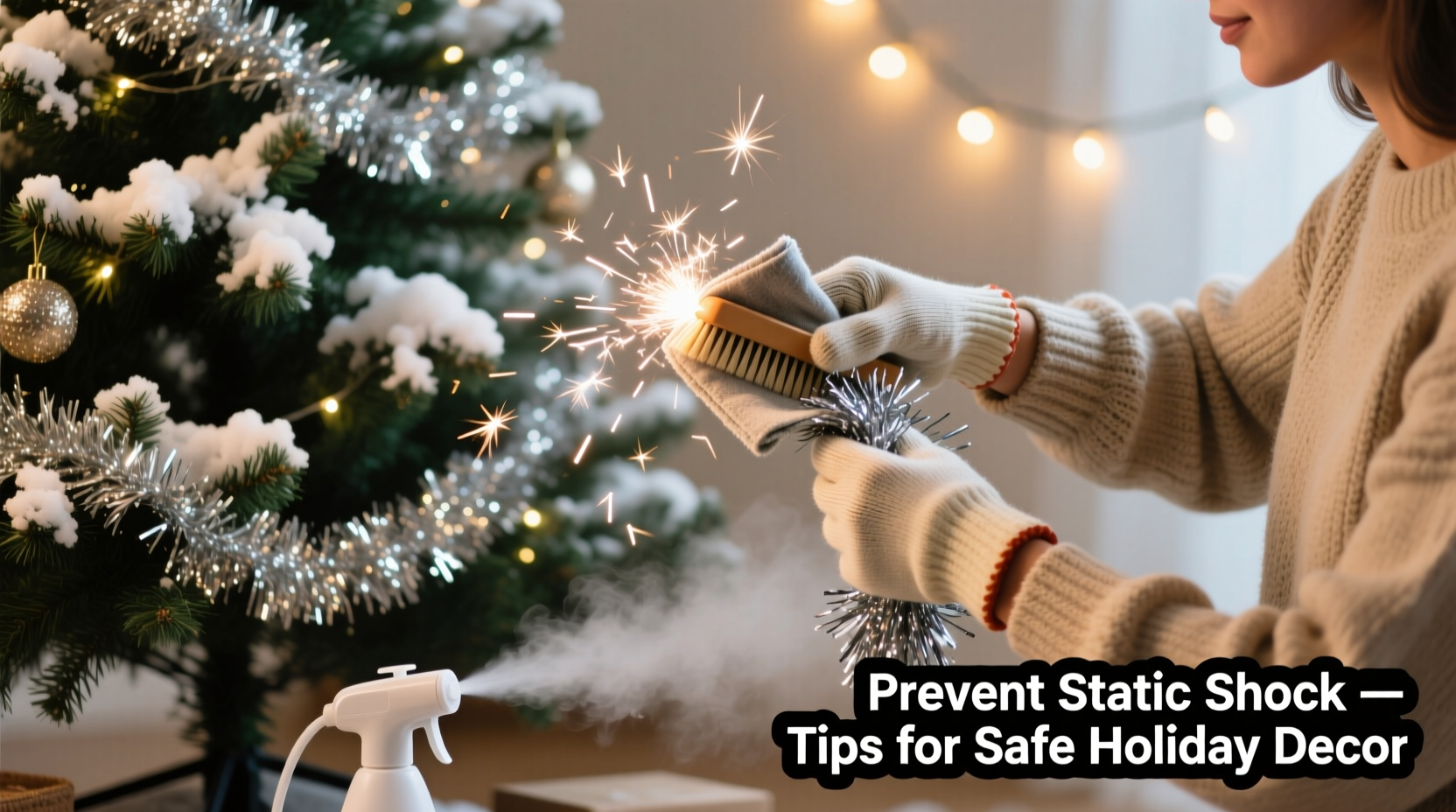
Static shock is more than just a seasonal nuisance—it’s physics in action. When two dissimilar materials rub together, such as your wool sweater and a plastic ornament, electrons move from one surface to another. One object becomes positively charged, the other negatively charged. When your hand (a conductor) nears a charged object like a metal tree stand or a foil-wrapped bulb, the excess charge jumps across the gap, creating that familiar snap.
Tinsel, typically made from metallized plastic film, is particularly prone to accumulating static due to its thin, lightweight structure and high surface area. Fake snow products—whether aerosol-based sprays or loose flocking powders—are often composed of cellulose or polymer blends that easily generate triboelectric charge when agitated. Combine these with artificial trees made of PVC or polyethylene, and you’ve created a perfect storm for static buildup.
Indoor heating systems exacerbate the issue by lowering relative humidity. Air below 40% RH dramatically increases the likelihood of static discharge. In fact, studies show that electrostatic events increase by over 70% in environments under 30% humidity compared to those above 50%. This makes winter homes, especially in colder climates, prime zones for unexpected zaps.
“Static shocks during holiday decorating are preventable with proper environmental control and material handling. Humidity management is the single most effective defense.” — Dr. Linda Chen, Electrostatics Research Group, University of Colorado Boulder
Step-by-Step Guide to Eliminate Static During Tree Decorating
Preventing static shocks doesn’t require expensive equipment or complex procedures. A systematic approach focused on preparation, environment, and handling techniques can make all the difference. Follow this timeline before and during decoration setup:
- One Week Before Decorating: Begin monitoring indoor humidity levels using a digital hygrometer. Aim to maintain levels between 45% and 55%.
- Three Days Prior: Clean artificial tree branches with a microfiber cloth lightly dampened with water and a drop of fabric softener. Let dry completely before storage.
- Day of Setup: Place a humidifier in the room where the tree will be displayed. Run it for at least two hours before unpacking decorations.
- Before Handling Decorations: Ground yourself by touching a grounded metal object like a faucet or appliance chassis. Avoid wearing rubber-soled shoes or synthetic fabrics.
- While Applying Tinsel or Snow: Work in short bursts, keeping hands slightly moist (not wet) using a light mist of anti-static spray or diluted fabric conditioner on palms.
- After Completion: Lightly mist the tree with a homemade anti-static solution (water + fabric softener), focusing on areas with heavy tinsel or flocking.
Effective Anti-Static Tools and Techniques
Beyond behavioral changes, several household items and specialized products can neutralize static effectively. Many of these are already in your home, making prevention both affordable and accessible.
Fabric Softener Solutions
Diluted liquid fabric softener disrupts static cling by coating fibers with positively charged ions that balance electron flow. Mix one part softener with ten parts water in a spray bottle and lightly mist tinsel strands before draping them on the tree. Do not oversaturate—just a fine mist is sufficient.
Humidifiers and Moisture Control
Since dry air is the primary enabler of static, increasing ambient moisture is critical. Cool-mist ultrasonic humidifiers are ideal because they disperse microscopic water particles without raising room temperature. Position one within five feet of the tree, but not so close that mist directly contacts electrical lights.
Anti-Static Sprays and Wipes
Commercial anti-static sprays designed for electronics or clothing work well on holiday decor. Alternatively, use dryer sheets to wipe down tinsel rolls or gently pat artificial snow-dusted branches. The waxy residue left behind inhibits charge accumulation.
Grounding Methods
Touch a grounded metal surface—like a radiator pipe or kitchen sink—before handling any decorations. For continuous protection, wear a wrist grounding strap connected to a grounded outlet screw (available at electronics stores). Though uncommon in households, this method is used in industrial settings to protect sensitive components from ESD (electrostatic discharge).
| Method | Effectiveness | Cost | Best For |
|---|---|---|---|
| Humidifier | ★★★★★ | $$ | Whole-room prevention |
| Fabric softener spray | ★★★★☆ | $ | Tinsel & flocking |
| Dryer sheets | ★★★☆☆ | $ | Quick fixes |
| Wrist grounding strap | ★★★★☆ | $$ | Precision decorating |
| Water misting | ★★★☆☆ | Free | Immediate relief |
Do’s and Don’ts When Handling Static-Prone Decorations
Avoiding common mistakes is just as important as applying correct techniques. Use this checklist to stay safe and comfortable throughout your decorating session.
- Do wash hands and rehydrate skin before starting—dry skin conducts charge more easily.
- Do use cotton or leather gloves if sensitive to shocks.
- Do store tinsel wrapped in aluminum foil or anti-static bags between uses.
- Don’t use aerosol snow sprays near open flames or heat sources.
- Don’t drag feet across carpet while decorating—this generates additional charge.
- Don’t combine metallic tinsel with LED string lights unless lights are certified low-voltage and insulated.
Real Example: A Family’s Spark-Free Holiday Transformation
The Thompson family in Minneapolis had long dreaded their annual tree setup. Every year, someone—usually young Liam, age 8—would yelp after touching the tree, prompting laughter followed by frustration. One December, Sarah Thompson decided to investigate. She purchased a $30 hygrometer and discovered her living room humidity was only 28%. After adding a cool-mist humidifier and switching to a diluted Downy® softener spray for tinsel, the results were immediate. Not a single shock occurred during decoration. Even better, the tree retained its fresh appearance longer, with less dust clinging to ornaments.
Sarah shared her method with her neighborhood Facebook group, where it quickly gained traction. Within weeks, three other families reported similar success. “It wasn’t just about avoiding pain,” she said. “It made decorating peaceful again. We could focus on the joy, not the zaps.”
Expert-Recommended Checklist for Static-Free Decorating
To ensure a smooth, shock-free experience every year, follow this expert-endorsed checklist:
- ✅ Measure room humidity—adjust to 45–55% using a humidifier.
- ✅ Wash hands and apply moisturizer before handling decorations.
- ✅ Pre-treat tinsel with anti-static spray or wipe with a dryer sheet.
- ✅ Ground yourself by touching metal plumbing or appliances before starting.
- ✅ Use cotton gloves or handle tinsel with wooden tongs to minimize contact.
- ✅ Mist tree lightly with water-fabric softener mix after decorating.
- ✅ Store decorations in anti-static bags or sealed containers with silica gel packs.
“The key to preventing static isn’t one big fix—it’s a series of small, consistent actions. Humidity control, material treatment, and personal grounding form a trifecta of protection.” — Mark Reynolds, Home Safety Consultant, National Fire Protection Association (NFPA)
Frequently Asked Questions
Can static shock from tinsel cause a fire?
While rare, yes—under extreme conditions. If fake snow contains flammable solvents (as some older aerosol sprays do) and accumulates near a spark source, ignition is possible. Modern flame-retardant formulations have reduced this risk significantly, but caution is still advised. Always follow manufacturer instructions and avoid spraying near lit candles or heaters.
Is there a difference between real and artificial tree static risks?
Yes. Artificial trees made from synthetic polymers generate more static than natural evergreens, which contain moisture and organic compounds that dissipate charge. However, dried-out real trees in heated rooms can also become statically active. Regular misting helps both types, though artificial trees require more proactive treatment.
Can I use hairspray to reduce static on tinsel?
No. Hairspray may temporarily reduce flyaways, but it leaves a sticky residue that attracts dust and degrades plastic over time. It can also react poorly with metallic coatings, causing discoloration. Instead, opt for dedicated anti-static sprays or diluted fabric softener solutions.
Final Thoughts: Make Your Holidays Safer and More Enjoyable
Static shocks don’t have to be an inevitable part of holiday decorating. With a deeper understanding of how static forms and what conditions promote it, you can take meaningful steps to neutralize the threat. From adjusting indoor humidity to treating materials properly and grounding yourself before handling delicate items, each action contributes to a smoother, safer experience.
More than convenience, preventing static enhances safety—especially in homes with children, pets, or individuals sensitive to sudden stimuli. It also preserves the integrity of your decorations, reducing fraying, tangling, and premature wear caused by repeated electrostatic stress.
This season, transform your tradition. Turn what was once a jarring ritual into a calm, joyful moment of connection. Apply these strategies early, share them with loved ones, and enjoy a truly spark-free celebration—one where the only thing that shines brightly is your tree.




 浙公网安备
33010002000092号
浙公网安备
33010002000092号 浙B2-20120091-4
Comments
No comments yet. Why don't you start the discussion?