
Every year, the joy of decorating for the holidays is often dampened by one universal frustration: pulling out a string of lights from storage only to find it hopelessly knotted. The culprit? Improper storage—especially when tossing lights into shoeboxes without a system. But this doesn’t have to be your reality. With a few intentional steps and smart organization techniques, you can store your holiday lights in shoeboxes without tangles, ensuring they’re ready to shine the moment you need them.
Shoeboxes are surprisingly effective storage solutions—they're lightweight, stackable, and often already available at home. When used correctly, they offer an affordable, space-saving way to protect lights from dust, crushing, and moisture. The key lies not in the container itself, but in *how* you prepare and wind the lights before storage.
Why Tangles Form in Shoeboxes
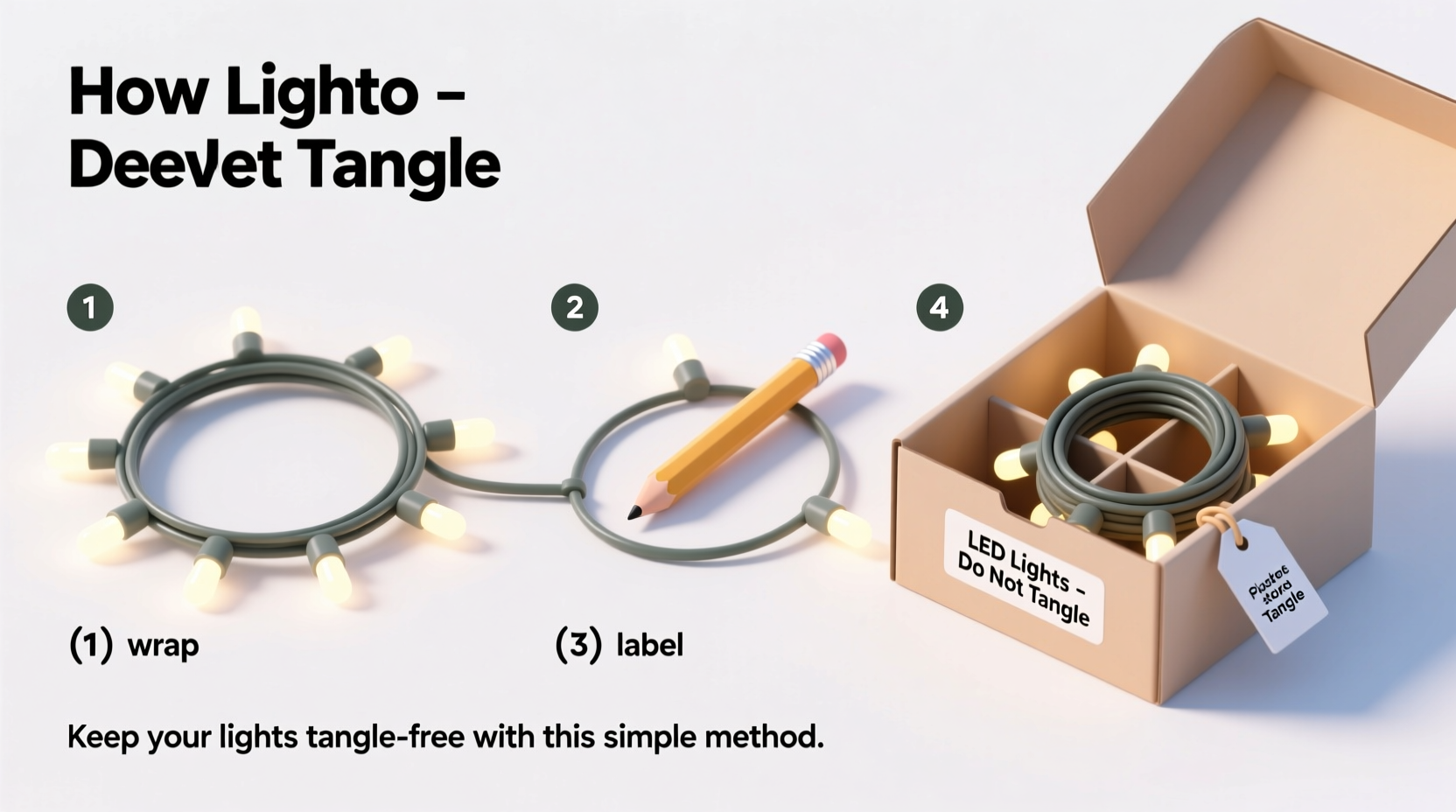
When lights are loosely dropped into a box, even minor movement during storage or transport causes wires to shift, twist, and loop around each other. Over time, especially with multiple strings stored together, these small movements compound into stubborn knots. The flexible nature of light cords makes them particularly prone to snarling, especially if they're thin-gauge wire or have irregular bulb spacing.
Another common issue is mixing different types of lights—LEDs with incandescents, mini-lights with C7s—in the same box. Their varying weights and stiffness cause uneven tension, increasing the likelihood of tangling. Additionally, stuffing cords too tightly or leaving excess slack both contribute to chaos inside the box.
The Right Way to Wind Lights Before Storage
How you coil your lights determines whether they’ll stay neat or become a mess. The ideal method keeps tension consistent, avoids sharp bends, and prevents loops from slipping. Here’s a step-by-step guide to coiling lights safely:
- Unplug and inspect: Start with unplugged lights. Check for broken bulbs, frayed wires, or damaged sockets. Repair or replace faulty sections now to avoid issues later.
- Choose a starting point: Begin at the end with the plug—not the far end. This ensures you always know which side is power-ready when unpacking.
- Use your hand as a guide: Hold the plug between your fingers and begin wrapping the cord around your four fingers, palm facing up. Keep wraps snug but not tight—over-tightening can stress internal wires.
- Maintain consistent loops: Aim for loops about 6–8 inches in diameter. Larger loops reduce strain; smaller ones increase kink risk.
- Secure the bundle: Once fully wound, slide the coil off your hand. Use a twist tie, Velcro strap, or reusable cloth tape to fasten the bundle in 2–3 places. Avoid rubber bands—they degrade over time and can leave residue.
- Label the type: Attach a small label indicating light type (e.g., “Warm White Mini,” “Blue Icicle”), length, and voltage. This saves confusion later.
This hand-winding technique is widely recommended by professional decorators and electricians alike. It maintains cord integrity and significantly reduces tangle formation—even in compact spaces like shoeboxes.
Optimizing Shoebox Storage for Maximum Protection
A shoebox isn’t just a placeholder—it can be transformed into a functional, organized storage unit with minimal effort. Follow these best practices to get the most out of your shoebox setup:
- Use boxes with lids to keep dust and pests out.
- Cut ventilation holes near the top if storing in humid areas (like garages or basements) to prevent moisture buildup.
- Lay coils flat in a single layer whenever possible. Stacking multiple layers increases pressure and friction between cords.
- Insert cardboard dividers between strands to prevent contact and shifting.
- Store boxes vertically on shelves, like books, to make identification easier and reduce top-down compression.
For those with many strands, consider repurposing larger shoeboxes (such as those for boots or winter gear) to accommodate longer strings without bending.
| Storage Method | Tangle Risk | Space Efficiency | Longevity Benefit |
|---|---|---|---|
| Loose in box | High | Medium | Low |
| Hand-coiled + secured | Low | High | High |
| Wrapped around a DIY spool | Very Low | Medium | Very High |
| Stuffed with tissue paper | Medium | Low | Medium |
DIY Upgrades for Shoebox Light Storage
You don’t need fancy containers to achieve professional results. Simple modifications turn ordinary shoeboxes into efficient light-storage systems.
Create a Cord-Securing Slot System
Cut two opposing slots (about 1 inch long and ¼ inch wide) near the top edge of the shoebox. After winding your lights into a coil, thread a piece of twine or ribbon through the slots and tie it across the top of the box. Place the secured coil underneath the ribbon to hold it firmly in place. This prevents shifting during transport.
Add Internal Partitions
For multi-string storage, build compartments using cardboard strips glued or taped vertically inside the box. Each partition holds one strand, eliminating cross-contact. Label each section clearly on the outside.
Attach External Labels
Use masking tape or adhesive labels on the top and side of the box. Include details such as:
- Number and type of strands
- Color temperature
- Intended use (e.g., “Front Porch,” “Tree”)
- Year purchased (for tracking lifespan)
Real-World Example: A Family’s Holiday Transformation
The Rivera family had spent nearly eight hours untangling lights each December for over a decade. They stored everything in two large plastic bins, dumping strands in haphazardly after New Year’s. By 2022, three of their five light sets were unusable due to broken sockets caused by excessive pulling and yanking.
Determined to change the pattern, Maria Rivera implemented a new system using old shoeboxes collected throughout the year. She labeled each box by location (e.g., “Gutters,” “Porch Rail”), wound each strand using the hand-wrap method, and secured them with fabric-covered twist ties. She added external labels and stored the boxes upright in a closet shelf.
Last holiday season, the entire decoration process—including stringing lights—was completed in under three hours. Not a single knot appeared. “It felt like we got our weekends back,” Maria said. “And the lights still work perfectly.”
“Proper storage isn’t just about convenience—it extends the life of electrical components. A neatly coiled cord experiences less metal fatigue and insulation wear.” — Daniel Park, Electrical Safety Consultant, National Holiday Lighting Association
Common Mistakes That Lead to Tangles
Even with good intentions, many people unknowingly sabotage their storage efforts. Watch out for these pitfalls:
- Using the “arm-wrap” method: Wrapping lights around your forearm creates overly tight coils that kink and bind. Stick to finger-wrapping for gentler turns.
- Leaving plugs dangling: Unsecured plugs can snag other cords. Tuck them into the center of the coil or clip them to the side with a paperclip.
- Overfilling boxes: Crowding leads to compression and friction. One shoebox should ideally hold no more than two standard 50-light strands unless modified.
- Skipping inspection: Storing damaged lights risks short circuits and fire hazards. Inspect annually.
- Using degraded fasteners: Old rubber bands or brittle zip ties break easily. Opt for durable, reusable options like silicone straps.
Alternative Winding Tools You Can Make
If hand-wrapping feels tedious, create simple tools from household items to speed up the process:
Cardboard Reel
Cut a rectangular piece of cardboard (6x10 inches). Make slits at both short ends to feed the plug through. Wrap the light around the rectangle like a tape reel, securing the end with a notch or clip. Slide the whole assembly into a shoebox.
Paper Towel Roll Spool
Thread the plug through the center of an empty paper towel roll. Wrap the lights around the tube in even rows. Place the spool horizontally in a shoebox. The cylindrical shape prevents flat-spotting and allows smooth unwinding.
Fork Wrapping Hack
While unconventional, some decorators use a kitchen fork to wrap shorter strands. Place the plug between the tines, then wrap the cord around the prongs. Remove carefully and secure with a tie. Best for mini-lights under 25 feet.
Checklist: Tangle-Free Light Storage in Shoeboxes
- ✔ Unplug and inspect all light strands
- ✔ Start coiling from the plug end
- ✔ Wrap consistently using fingers or a DIY spool
- ✔ Secure with non-damaging fasteners (Velcro, twist ties)
- ✔ Label each strand and its storage box
- ✔ Store coils flat or upright, not stacked
- ✔ Keep boxes in a cool, dry, pest-free area
- ✔ Re-inspect before next season
Frequently Asked Questions
Can I store LED and incandescent lights together?
It's not recommended. Incandescent bulbs generate heat and are heavier, which can compress and damage the more delicate wiring of LED strands. Store them separately to preserve performance and safety.
How do I prevent shoelaces or other items from getting mixed in?
Designate specific shoeboxes exclusively for holiday lights. Use bright labels or colored tape to differentiate them from active footwear storage. Better yet, use only clean, unused boxes reserved solely for seasonal decor.
What if I don’t have enough shoeboxes?
Repurpose other sturdy cardboard boxes of similar size—cereal boxes, gift packaging, or delivery mailers. Reinforce weak flaps with packing tape. The principle matters more than the brand: controlled winding in a protective enclosure.
Final Thoughts: Small Efforts, Lasting Results
Preventing tangled lights isn’t about perfection—it’s about consistency. Spending ten extra minutes properly winding and boxing your lights each January saves hours of frustration the following December. It also protects your investment. Quality light strings can last 10 years or more with proper care, reducing waste and annual spending.
Using shoeboxes may seem humble compared to specialized plastic reels or climate-controlled bins, but when paired with the right technique, they perform exceptionally well. The goal isn’t to buy more—it’s to organize smarter.




 浙公网安备
33010002000092号
浙公网安备
33010002000092号 浙B2-20120091-4
Comments
No comments yet. Why don't you start the discussion?