
Metal keychains are more than just functional—they’re personal accessories that reflect style, commemorate events, or serve as meaningful gifts. Over time, however, exposure to air, moisture, and skin oils can cause metals like silver, brass, copper, and even stainless steel to tarnish. Tarnish dulls shine, creates discoloration, and diminishes the appeal of your favorite pieces. The good news: with the right care and preventive measures, you can significantly slow down or even stop tarnishing before it starts. This guide delivers actionable, science-backed strategies to keep your metal keychains looking pristine.
Understanding Tarnish: What Causes It?
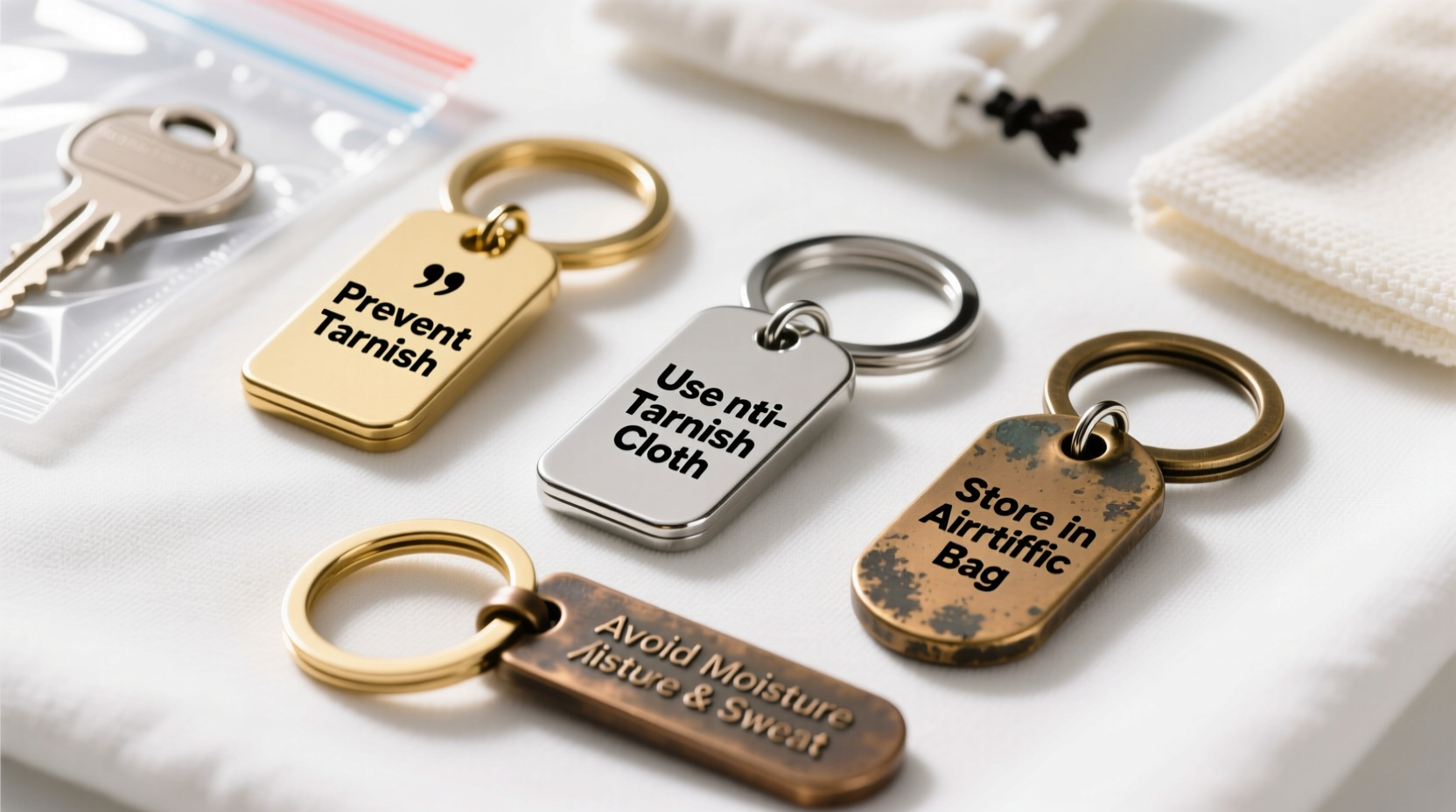
Tarnish is a thin layer of corrosion that forms when certain metals react with sulfur compounds in the air, moisture, or acids from skin contact. Silver reacts with hydrogen sulfide, forming black silver sulfide. Brass and copper develop greenish patinas due to oxidation. Even coated metals can degrade if the protective layer wears off.
Common contributors include:
- Humidity and damp environments
- Prolonged exposure to air pollution
- Contact with sweat, lotions, or perfumes
- Storing keychains in reactive materials (like rubber bands or certain plastics)
- Frequent handling without cleaning
While some people appreciate the vintage look of aged metal, most prefer to maintain the original luster. Preventive care is far more effective—and less labor-intensive—than trying to restore heavily tarnished items.
Step-by-Step Guide to Protecting Your Metal Keychains
Prevention begins the moment you acquire a new keychain. Follow this timeline to ensure long-term protection:
- Initial Cleaning (Day 1): Wipe the keychain gently with a microfiber cloth to remove manufacturing residues or fingerprints.
- Apply a Protective Coating (Optional): Use a jeweler’s lacquer or clear nail polish on non-moving parts to create a barrier against air and moisture.
- Daily Handling Habits: Wash hands before prolonged handling; avoid wearing keychains as necklaces or bracelets where they’re constantly exposed to sweat.
- Weekly Maintenance: Lightly wipe with a dry, soft cloth to remove oils and dust.
- Monthly Inspection: Check for early signs of cloudiness or discoloration. Reapply protective coating if needed.
- Seasonal Deep Storage Prep: If storing long-term, clean thoroughly and use anti-tarnish strips in the container.
This routine requires minimal effort but dramatically increases longevity. Consistency is key—small actions compound over time.
Best Storage Practices by Metal Type
Not all metals behave the same way. Tailor your storage method based on the material of your keychain. The table below outlines ideal conditions:
| Metal Type | Recommended Storage | Avoid |
|---|---|---|
| Sterling Silver | Anti-tarnish pouch with activated charcoal or silica gel | Open air, humid drawers, rubber contacts |
| Brass / Copper | Airtight container with anti-tarnish paper | Bathrooms, kitchens, wool fabrics |
| Stainless Steel | Dry drawer or fabric-lined box | Chlorinated water, abrasive cleaners |
| Gold-Plated | Individual soft pouch, no stacking | Frequent friction, perfume contact |
| Aluminum | Ventilated space (resists tarnish naturally) | Strong alkaline cleaners |
For mixed-metal keychains, default to the most sensitive component’s requirements. When in doubt, airtight + dry is safest.
“Tarnish doesn’t happen overnight—it’s cumulative. The biggest factor isn’t the environment alone, but how consistently you interrupt the reaction cycle.” — Dr. Lena Torres, Materials Conservation Scientist, Metropolitan Artifacts Lab
DIY Protection Methods That Actually Work
You don’t need expensive products to protect your keychains. Several household items offer reliable, low-cost solutions:
- Clear Nail Polish: Apply a thin coat to stationary parts (avoid moving joints). Reapply every 3–6 months. Works well for silver and copper accents.
- Wax Coating: Rub with a small amount of beeswax or Renaissance Wax using a lint-free cloth. Buff lightly. Creates a breathable, water-resistant seal.
- Silica Gel Packs: Place in storage containers to absorb moisture. Replace or recharge every few months.
- Anti-Tarnish Strips: Available online or at craft stores, these chemically absorb sulfur from the air. Ideal for long-term storage.
One caveat: never coat keys themselves unless they’re decorative. A thick layer may interfere with lock mechanisms.
Mini Case Study: Reviving a Family Heirloom Keychain
Mark inherited a brass keychain from his grandfather, engraved with a WWII regiment insignia. After decades in a wooden cigar box, it had developed a dark, uneven patina. He initially tried vinegar and salt, which worsened pitting. Then he consulted a local museum conservator who advised stopping active corrosion first.
Mark cleaned it gently with baking soda paste, rinsed, and dried completely. He then applied a thin layer of microcrystalline wax and stored it in a ziplock bag with an anti-tarnish strip. Today, the piece retains its history but no longer degrades. His takeaway? “Preservation isn’t about making it look new—it’s about stopping damage while honoring its story.”
Essential Care Checklist
Use this checklist monthly to maintain your collection:
- ✅ Wipe each keychain with a dry microfiber cloth
- ✅ Inspect for early tarnish (dull spots, darkening)
- ✅ Confirm storage is dry and sealed
- ✅ Replace silica gel or anti-tarnish strips if expired
- ✅ Reapply protective coating if flaking or worn
- ✅ Rotate frequently used keychains to reduce wear
- ✅ Remove keychains during swimming, showering, or heavy exercise
Hang this list near your entryway or in your storage drawer as a visual reminder.
FAQ: Common Questions About Metal Keychain Care
Can I clean tarnished keychains with toothpaste?
Yes, but cautiously. Non-gel, non-whitening toothpaste can gently polish silver or stainless steel. Apply with a soft cloth, rub lightly, then rinse and dry thoroughly. Avoid using on plated metals or delicate engravings, as abrasives may scratch or wear through thin layers.
How do I know if my keychain is solid metal or plated?
Check for weight—solid metal feels heavier. Look for seams or color changes at edges; plating often wears faster on high-contact areas. A magnet test helps: most solid precious metals aren’t magnetic, but if it sticks strongly, it’s likely a base metal with plating. For certainty, consult a jeweler.
Is it safe to use commercial jewelry dips?
Jewelry dips work quickly but are harsh. They’re best reserved for heavily tarnished pieces and should never be used on plated, antique, or stone-adorned keychains. Always rinse and dry immediately after use, and follow with a protective coating. Frequent dipping weakens metal over time.
Final Thoughts: Small Habits, Lasting Results
Tarnish is inevitable if left unchecked, but it’s not unstoppable. The real secret lies not in dramatic fixes but in consistent, mindful habits. Wiping a keychain after use, choosing the right storage, and applying simple barriers can extend its life by years. Whether it’s a sentimental gift, a promotional item, or a custom design, every metal keychain deserves thoughtful care.
Start today. Take five minutes to clean and rehouse your most-used keychain. Label a small container with desiccant. Share these tips with someone who treasures their keepsakes. Preservation is an act of respect—for the object, the memory, and the craftsmanship behind it.




 浙公网安备
33010002000092号
浙公网安备
33010002000092号 浙B2-20120091-4
Comments
No comments yet. Why don't you start the discussion?