
Wearing a face mask has become a routine part of daily life for many people, whether for health, safety, or travel requirements. However, one persistent annoyance—especially for glasses wearers—is the constant fogging of lenses. Every breath you take can turn your lenses into a cloudy barrier, obstructing vision and requiring frequent cleaning. This issue arises because warm, moist air escapes from the top of the mask and condenses on the cooler surface of your lenses. The good news is that this problem is not only common but also highly preventable. With a combination of proper mask fit, household tricks, and a few smart habits, you can keep your glasses clear and your view unobstructed.
Understanding Why Glasses Fog Up with Masks
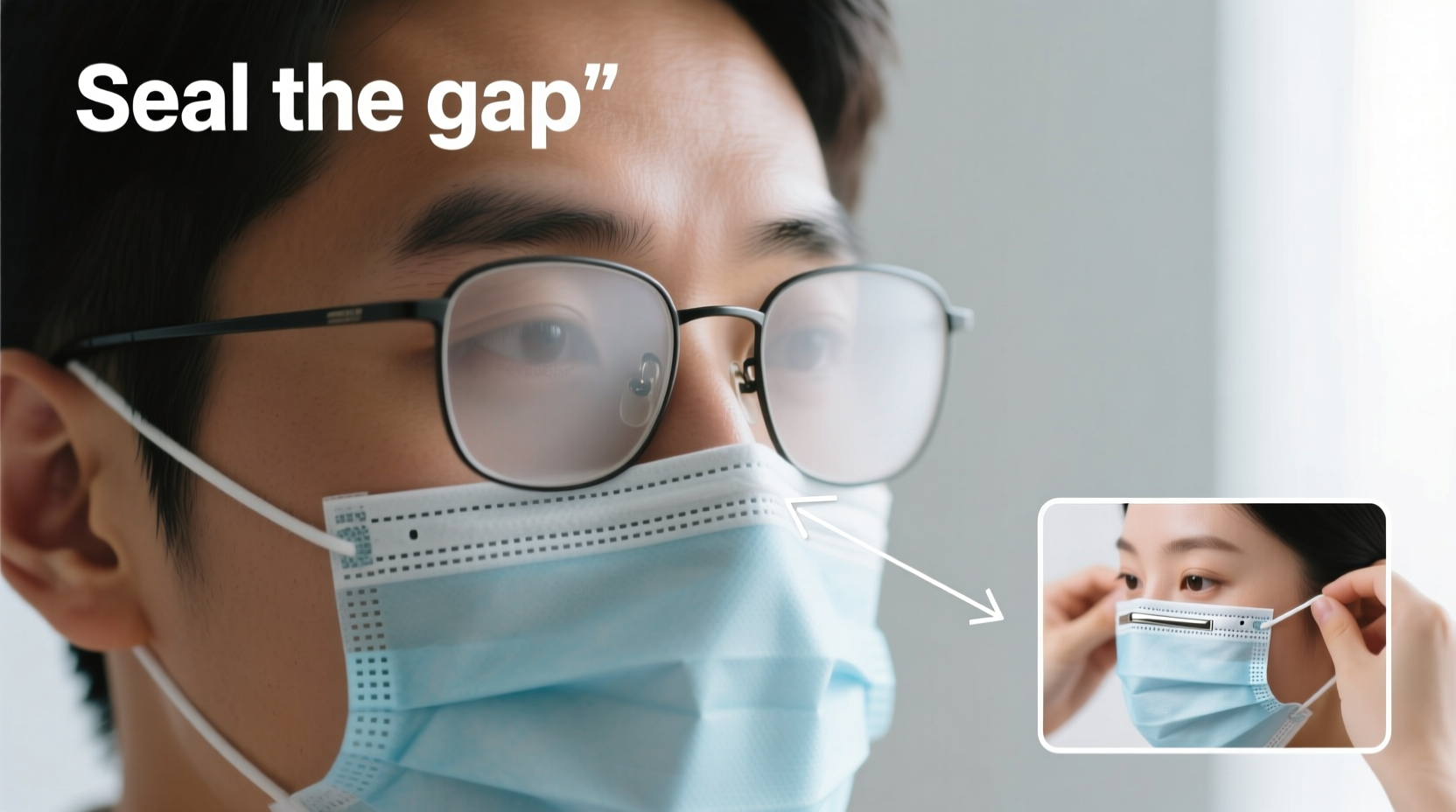
Fogging occurs due to a basic principle of physics: when warm, humid air meets a cooler surface, it condenses into tiny water droplets. Your breath is warm and saturated with moisture. When you wear a mask that doesn’t seal tightly around the nose and upper cheeks, that exhaled air rises and hits the cooler surface of your eyeglass lenses. The result? Instant fog.
This is especially problematic in colder environments where the temperature difference between your breath and the lens is greater. It’s also worse with certain types of masks—particularly looser-fitting surgical or cloth masks—that allow more upward airflow. Even well-designed N95 respirators can cause fogging if not properly adjusted.
“Proper mask fit is the single most important factor in preventing lens fogging. If air is escaping at the bridge of the nose, it will find its way to your glasses.” — Dr. Lena Torres, Optometrist and Vision Health Specialist
Step-by-Step Guide to Stop Fogging at the Source
The most effective solutions begin with controlling where your breath goes. Follow this sequence to minimize or eliminate fogging:
- Choose the right mask: Opt for masks with a built-in nose wire or adjustable metal strip. These allow you to mold the top of the mask snugly over the bridge of your nose, sealing off the escape route for warm air.
- Position the mask correctly: Place the mask high on your nose, ensuring it covers from the bridge down to under your chin. The top edge should sit flush against your skin without gaps.
- Secure the nose wire: Use your fingers to press the metal strip along the contours of your nose and cheekbones. Do this while wearing the mask to ensure a personalized fit.
- Adjust strap tension: Tighten ear loops or ties just enough to maintain a secure seal without discomfort. Some people use mask extenders or knotting techniques to improve fit.
- Test the seal: Exhale sharply while wearing the mask. If you feel air coming out the top, readjust until the flow redirects downward.
Household Hacks That Actually Work
Beyond fit, several low-cost, accessible methods can reduce fogging by altering the surface tension of your lenses or creating a physical barrier. These are especially useful when perfect mask fit isn’t possible.
1. Use Soap and Water
A thin film of soapy water acts as an anti-fog agent by preventing water droplets from clustering. Here's how:
- Rinse your glasses with clean water.
- Apply a small drop of mild dish soap (like Dawn) to each lens.
- Gently rub the soap across the surface with your fingertips.
- Rinse briefly and let air dry—do not wipe.
The residual soap disrupts droplet formation, keeping lenses clearer for hours. Avoid using harsh detergents or those with lotions, which may leave streaks.
2. Tape the Top of the Mask
Medical tape or even hypoallergenic adhesive strips can seal the upper edge of your mask to your skin. Apply a narrow strip across the top edge, pressing firmly to create an airtight closure. This method is popular among healthcare workers during long shifts.
3. Insert a Folded Tissue Inside the Mask
Place a small folded tissue or filter inside the top front of your mask, just below the nose wire. As you exhale, the tissue absorbs moisture before it can rise toward your glasses. Replace it every few hours or when damp.
4. Use Anti-Fog Sprays or Wipes
Commercial anti-fog products designed for goggles or safety glasses can be safely used on eyewear. Spray or wipe a small amount onto lenses and buff gently with a microfiber cloth. Look for alcohol-free formulas to avoid coating damage.
Comparison of Common Anti-Fog Methods
| Method | Effectiveness | Duration | Cost | Notes |
|---|---|---|---|---|
| Nose wire adjustment | High | All-day | Free | Most reliable when done correctly |
| Soap and water | High | 2–4 hours | $ | Easy, temporary solution |
| Mask taping | Very High | All-day | $$ | Best for long shifts; may irritate sensitive skin |
| Tissue insert | Moderate | 1–2 hours | $ | Simple but requires replacement |
| Anti-fog spray | High | 3–6 hours | $$$ | Durable, but check compatibility with lens coatings |
Real-Life Example: A Nurse’s Solution During Long Shifts
Sarah M., an ER nurse in Boston, faced constant fogging during her 12-hour shifts, compromising both safety and efficiency. “I’d adjust my mask a dozen times a day, but my glasses would still steam up every time I leaned forward,” she said. After trying multiple methods, she developed a reliable routine: she uses a KN95 mask, presses the nose wire firmly with a spoon for maximum seal, applies a drop of dish soap to her lenses each morning, and tapes the top edge with medical paper tape. “It takes five minutes to set up, but it lasts all shift. My lenses stay clear even during procedures.” Her experience highlights the power of combining multiple strategies for lasting results.
Checklist: Daily Routine to Prevent Fogging
Follow this simple checklist each morning to ensure clear vision throughout the day:
- ✅ Inspect your mask for a functional nose wire
- ✅ Mold the nose wire snugly over your bridge
- ✅ Test the seal by breathing out sharply
- ✅ Apply anti-fog treatment (soap or spray)
- ✅ Insert a tissue inside the top of the mask (optional)
- ✅ Secure mask straps for optimal fit
- ✅ Carry a microfiber cloth for touch-ups
What Not to Do: Common Mistakes
Some well-intentioned attempts to fix fogging can actually make things worse or damage your glasses. Avoid these pitfalls:
- Wiping lenses with clothing: Fabrics like cotton or polyester can scratch lenses, especially if they’re coated. Always use a microfiber cloth.
- Using hand sanitizer on lenses: While some suggest this as a DIY anti-fog hack, the alcohol can degrade lens coatings over time.
- Over-tightening mask straps: This can cause headaches and ear pain without improving the seal. Focus on fit, not force.
- Ignoring lens cleanliness: Oils and smudges worsen fogging. Clean your glasses daily with proper cleaner or mild soap.
Frequently Asked Questions
Can I use toothpaste to prevent fogging?
No. While toothpaste is sometimes recommended for cleaning lenses, it’s abrasive and can scratch or damage anti-reflective and other specialized coatings. Stick to mild dish soap or approved lens cleaners.
Do anti-fog cloths really work?
Yes, many anti-fog cloths are treated with compounds that reduce surface tension. They’re convenient and safe for regular use, but effectiveness varies by brand. Choose ones specifically labeled for eyewear and avoid cheap imitations that may leave residue.
Why do my glasses fog up more in winter?
Colder ambient temperatures increase the contrast between your warm breath and the lens surface, accelerating condensation. Indoor heating also dries the air, making fog more noticeable when you step outside or enter a warm building. Pre-treating lenses and ensuring a tight mask seal are especially important in winter months.
Expert Insight: Long-Term Lens Care
While immediate fixes are helpful, long-term prevention involves caring for both your mask and your glasses. Regular maintenance ensures consistent performance and longevity.
“Patients often overlook that dirty lenses fog more easily. Oils from skin, makeup, and environmental debris create nucleation sites for water droplets. Cleaning your glasses daily isn’t just about clarity—it’s about function.” — Dr. Alan Park, Vision Scientist and Optical Consultant
In addition to cleaning, consider upgrading to lenses with anti-fog coatings. Some premium progressive or safety lenses include hydrophobic and oleophobic layers that repel moisture and oils. While not a substitute for proper mask fit, they add an extra layer of protection.
Conclusion: Clear Vision Starts with Simple Habits
Foggy glasses don’t have to be an unavoidable side effect of mask-wearing. By understanding the science behind condensation and applying practical, tested solutions, you can maintain clear vision throughout the day. The key lies in a combination of proper mask fit, smart anti-fog treatments, and consistent lens care. Whether you’re a healthcare worker, commuter, or simply someone who wears glasses daily, these strategies can restore comfort and confidence.




 浙公网安备
33010002000092号
浙公网安备
33010002000092号 浙B2-20120091-4
Comments
No comments yet. Why don't you start the discussion?