
Jeans are a wardrobe staple—versatile, durable, and timeless. But few things dull their appeal faster than premature fading. While some wearers chase the \"lived-in\" look, most want their denim to retain its original depth of color and character through months or even years of regular use. The good news: fading isn’t inevitable. With informed care, you can dramatically extend the vibrancy of your jeans. From washing techniques to storage habits, every step in your denim routine plays a role in preserving that rich indigo or deep black hue.
Fading occurs when dye molecules break down due to friction, exposure to light, and chemical reactions during laundering. Cotton fibers, especially those used in raw or rigid denim, hold dye on the surface, making them more vulnerable. Understanding this process allows you to take targeted action. This guide covers scientifically sound methods and real-world-tested practices to keep your jeans looking fresh long after purchase.
The Science Behind Denim Fading
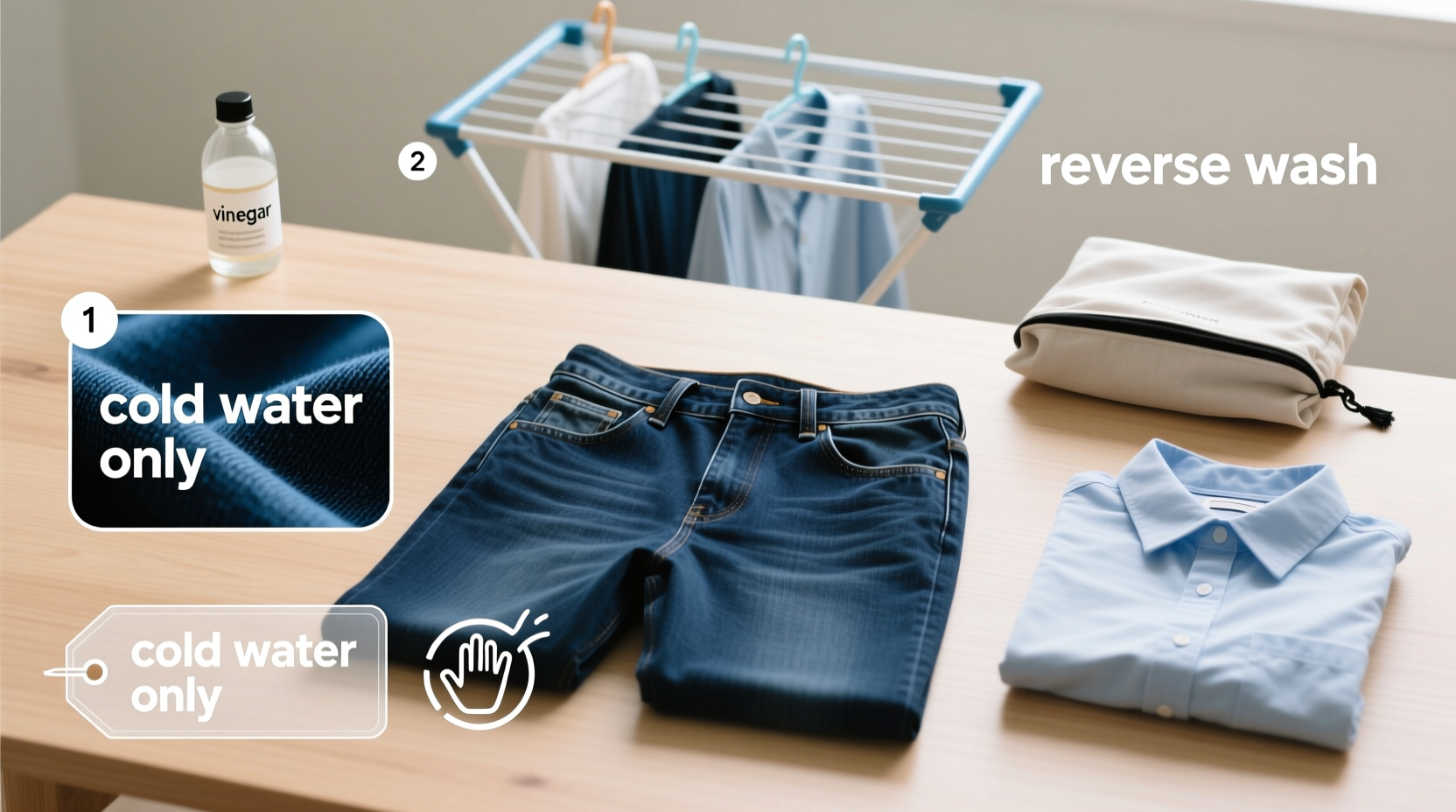
Denim is typically dyed using indigo, a pigment that adheres primarily to the outer layer of cotton fibers. Unlike reactive dyes that bond chemically within the fiber, indigo sits loosely on the surface. This makes it prone to gradual release—especially when agitated by water, detergent, or mechanical movement in a washing machine.
Three main factors accelerate fading:
- Water exposure: Frequent washing dissolves surface dye and weakens fiber structure.
- Friction: Machine agitation causes fibers to rub against each other, dislodging dye particles.
- UV radiation: Sunlight breaks down dye molecules over time, leading to yellowing and loss of contrast.
Additionally, alkaline detergents can lift indigo more aggressively than necessary, stripping color with each cycle. Hot water exacerbates this effect by opening up the cotton fibers, allowing more dye to escape. Knowing these mechanisms helps explain why seemingly minor changes in laundry habits can have major impacts on longevity.
“Indigo is not meant to be permanent. Its beauty lies in evolution—but that doesn’t mean you can’t slow the process.” — Dr. Lena Torres, Textile Chemist at the Institute for Apparel Innovation
Washing Techniques That Preserve Color
How you wash your jeans may be the single most important factor in preventing unwanted fading. Most people wash jeans too often and too harshly. The goal should be minimizing wash frequency while maximizing cleaning efficiency when needed.
Turn Inside Out Before Washing
This simple step reduces surface abrasion during the wash cycle. By shielding the outer fabric, you protect the areas most visible—and most prone to fading. It also prevents hardware like buttons and zippers from scratching adjacent fabrics.
Use Cold Water Only
Hot water opens the pores of cotton fibers, encouraging dye to leach out. Cold water minimizes this effect and also prevents shrinkage in untreated denim. Set your machine to the coldest setting available.
Choose a Gentle Detergent
Avoid heavy-duty detergents with bleach or optical brighteners. These chemicals attack dye molecules directly. Instead, opt for a pH-neutral, dye-safe formula designed for darks or delicates. Some brands specialize in denim care, such as The Laundress’s “Denim Wash” or Woolite Dark.
Wash Less Frequently
Jeans don’t need washing after every wear. Spot clean minor stains and air them out between uses. Many denim enthusiasts follow a 10-wear rule before laundering. For raw denim, some go six months or longer without washing to preserve the natural fade pattern.
Hand Wash When Possible
For maximum control, hand wash your jeans in a bathtub or basin. Fill with cold water, add a small amount of gentle detergent, and gently swish the garment for 3–5 minutes. Let soak for no more than 20 minutes. Rinse thoroughly with cold water until the runoff runs clear.
Drying and Storage Best Practices
What happens after washing matters just as much as the wash itself. Improper drying can cause rapid color degradation and fabric distortion.
Air Dry Flat or Hanging
Never put jeans in the dryer. The high heat degrades fibers and accelerates color loss. Instead, hang them upside down (to minimize stretching at the waistband) in a shaded, well-ventilated area. Avoid direct sunlight, which bleaches indigo rapidly.
Reshape While Damp
While still damp, smooth out creases and adjust pockets to maintain shape. This helps avoid stiff wrinkles and ensures an even dry.
Proper Storage
Store jeans folded or rolled rather than hanging long-term. Hangers can stretch the waistband and distort fit. If space allows, rolling them like cigars in a drawer preserves shape and reduces pressure points.
| Action | Benefit | Risk if Ignored |
|---|---|---|
| Wash inside out | Reduces surface abrasion | Premature fading on visible surfaces |
| Cold water wash | Preserves fiber integrity | Color bleed and shrinkage |
| Air dry in shade | Prevents UV damage | Yellowing and patchy fading |
| Store folded | Maintains waistband elasticity | Distorted fit over time |
| Wash infrequently | Extends dye life | Unnecessary wear and tear |
Step-by-Step Guide: The Ideal Jean Care Routine
Follow this sequence to maximize the lifespan and appearance of your jeans:
- After Each Wear: Hang jeans to air out. Use a soft brush to remove dust or debris from pockets and seams.
- Spot Clean Stains: Dab with a cloth dampened in cold water and mild soap. Do not scrub aggressively.
- Wait Before Washing: Delay full washing for at least 5–10 wears unless visibly soiled or odorous.
- Prepare for Wash: Turn jeans inside out, zip up, and button securely.
- Choose Cycle: Use a delicate or hand-wash setting with cold water. Add half the recommended detergent dose.
- Alternative: Hand Wash: Soak in cold water with gentle detergent for 15–20 minutes. Swish gently; do not wring.
- Rinse Thoroughly: Ensure all soap residue is removed to prevent long-term fiber weakening.
- Dry: Hang upside down indoors away from windows. Allow 24 hours for full drying.
- Store: Fold neatly in a drawer or roll in a denim stack. Keep away from humid areas.
Real Example: How One User Extended His Jeans’ Life by 3 Years
Carlos M., a graphic designer from Portland, bought a pair of raw selvedge jeans in 2019 and committed to a strict care regimen. He wore them daily but washed them only three times in the first two years. Between wears, he aired them outside his closet and brushed off lint weekly. When he did wash them, it was always by hand in cold water with a specialized denim detergent.
By 2022, coworkers assumed the jeans were new—they had developed a subtle honeycombs and whiskers pattern but retained nearly all their original darkness. A comparison photo showed minimal fading compared to a colleague’s identically styled pair that were machine-washed biweekly. Carlos attributes the difference to patience and consistency. “I treat them like tools,” he said. “You wouldn’t wash a favorite wrench after every use.”
Do’s and Don’ts: Quick Reference Checklist
Keep this checklist handy for optimal denim maintenance:
- ✅ Do turn jeans inside out before washing
- ✅ Do use cold water and gentle detergent
- ✅ Do air dry away from direct sunlight
- ✅ Do spot clean and air out between washes
- ✅ Do fold or roll for storage
- ❌ Don’t wash after every wear
- ❌ Don’t use bleach or strong detergents
- ❌ Don’t tumble dry under any circumstances
- ❌ Don’t hang for long-term storage
- ❌ Don’t expose to prolonged UV light
Frequently Asked Questions
Can I ever use warm water to wash jeans?
Warm water increases fading and shrinkage risk, especially in non-pre-shrunk denim. If you must use warm water—for heavily soiled workwear, for example—do so sparingly and only on older jeans you intend to fade intentionally.
Is it safe to wash black jeans differently than blue ones?
Yes. Black denim often uses sulfur or synthetic dyes that are less stable than indigo. They require even gentler treatment. Wash black jeans less frequently, use a detergent formulated for darks, and avoid chlorine-based products entirely. Consider adding a cup of white vinegar to the rinse cycle to help set the dye.
How do I refresh jeans without washing them?
Airing is the best method. Hang them outside for a few hours (but not in direct sun). You can also spritz lightly with a mixture of water and a few drops of essential oil for freshness. For stronger odors, place them in the freezer for 24 hours to kill odor-causing bacteria.
“The longest-lasting jeans I’ve tested came from users who treated laundering like a ritual, not a chore.” — Mark Ellison, Senior Product Analyst at Denim Lab International
Final Thoughts: Make Care a Habit, Not a Hassle
Preserving your jeans from fading doesn’t require expensive products or extreme measures. It requires awareness and consistency. The habits that protect your denim—washing less, using cold water, avoiding the dryer—are simple once integrated into your routine. Over time, you’ll notice not just better color retention, but improved fit and comfort as the fabric molds to your body without being battered by repeated washing.
Think of your jeans as investments in both style and sustainability. Every wash avoided saves water, energy, and wear on the fabric. By extending the life of your denim, you’re also reducing textile waste and supporting ethical consumption.




 浙公网安备
33010002000092号
浙公网安备
33010002000092号 浙B2-20120091-4
Comments
No comments yet. Why don't you start the discussion?