
Pothos (Epipremnum aureum) is one of the most popular houseplants for good reason: it’s hardy, fast-growing, and incredibly easy to propagate. Whether you're expanding your indoor jungle or sharing cuttings with friends, water propagation is the most reliable method to grow new pothos plants from cuttings. With the right technique, you can have strong, well-rooted plants ready for soil or continued growth in water within weeks.
This guide walks through every stage of water propagation—from selecting the ideal stem cutting to maintaining optimal conditions for rapid root development. You’ll learn not only the steps but also the science behind why they work, helping you avoid common pitfalls and achieve faster, healthier results.
Selecting the Right Stem Cutting
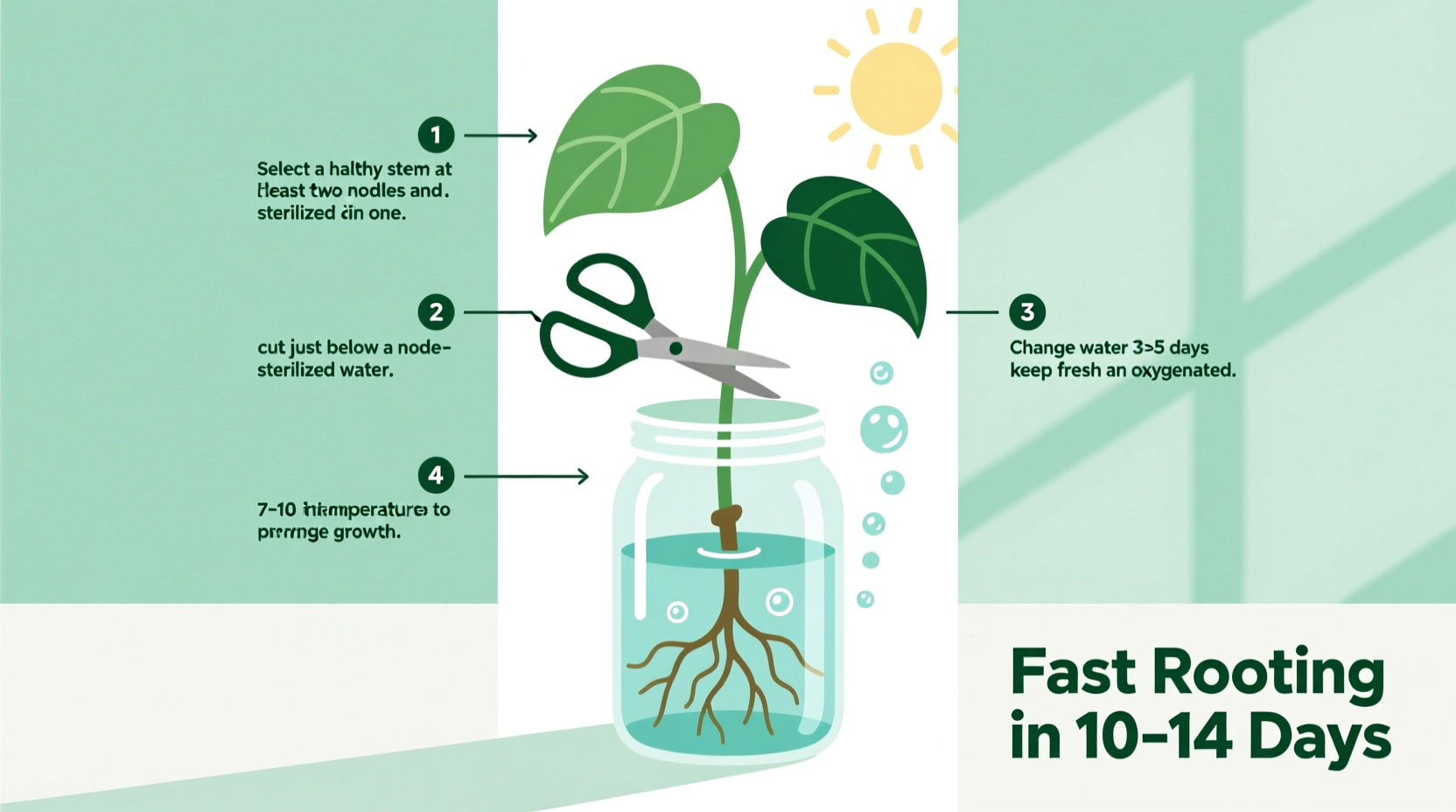
The foundation of successful propagation lies in choosing a healthy, viable cutting. Not all stems are equally suited for rooting, and starting with the wrong material can delay or prevent root formation entirely.
Look for a mature vine with vibrant green leaves and no signs of yellowing, spotting, or pests. The best cuttings come from actively growing sections of the plant—usually near the tips where new growth emerges. Avoid using old, woody, or leggy stems that have lost their vigor.
Aim for a 4–6 inch stem with at least two to three nodes. Nodes are the small bumps or ridges along the stem where leaves and aerial roots emerge. These areas contain meristematic tissue—the plant cells responsible for generating new roots. Without a node, the cutting cannot develop roots, no matter how long it sits in water.
Preparing the Cutting for Water Propagation
Once you’ve selected and cut your stem, preparation is key to preventing rot and encouraging quick root initiation.
Remove the bottom leaf or two from the cutting, especially if they would sit below the waterline. Submerged leaves decay quickly in water, creating a breeding ground for bacteria and fungi that can infect the stem. Leave at least one or two leaves intact above the water to support photosynthesis, which fuels root growth.
Rinse the stem gently under lukewarm water to remove any sap or debris. Pothos exudes a milky sap when cut, which can cloud the water and inhibit oxygen exchange. A light rinse minimizes this issue.
Place the cutting in a clean container filled with room-temperature water, ensuring that at least one node is fully submerged. If multiple nodes are below the surface, you’ll likely see multiple root clusters form—ideal for a bushier root system later on.
“Node placement is non-negotiable. No node, no root. That’s the golden rule of pothos propagation.” — Dr. Lena Torres, Urban Horticulturist and Plant Propagation Specialist
Choosing the Right Container and Environment
The vessel you use matters more than many realize. While any glass or jar will technically work, transparent containers offer a significant advantage: visibility. Clear glass allows you to monitor root development, detect algae buildup, and spot early signs of rot.
Use a narrow-necked bottle or vase to support the stem upright without letting it flop over. Alternatively, place a small cork or foam disc with a hole in it to stabilize the cutting while keeping leaves dry.
Water quality plays a crucial role. Tap water often contains chlorine and fluoride, which can slow root growth or damage sensitive tissues. Let tap water sit out uncovered for 24 hours before use to allow chemicals to evaporate. Alternatively, use filtered or distilled water for best results.
Position the container in a location with bright, indirect light. Direct sunlight can overheat the water and promote algae growth, while too little light slows metabolic activity and delays rooting. An east-facing windowsill or a few feet back from a south-facing window is ideal.
| Factor | Optimal Condition | Avoid |
|---|---|---|
| Light | Bright, indirect | Direct sun or dark corners |
| Water Type | Dechlorinated or filtered | Fresh tap water with high chlorine |
| Temperature | 68–75°F (20–24°C) | Cold drafts or hot radiators |
| Container | Clear glass, clean | Opaque or dirty vessels |
Step-by-Step Timeline for Fast Root Development
Rooting pothos isn’t random—it follows a predictable biological timeline when conditions are right. Understanding each phase helps you manage expectations and intervene proactively.
- Days 1–3: Acclimation Phase
After placing the cutting in water, the plant focuses on sealing the wound and absorbing moisture. You won’t see visible changes yet, but cellular activity is ramping up at the node. - Days 4–7: Callus Formation
A small bump or whitish callus may appear at the node. This is the first sign of root initiation. Keep the water clean and ensure consistent light exposure. - Days 8–14: Root Emergence
Tiny white roots begin to sprout from the node. At this stage, roots are fragile. Avoid moving or disturbing the cutting unnecessarily. - Days 15–21: Root Elongation
Roots grow longer and may branch slightly. Healthy roots are firm and white; brown or mushy roots indicate rot. - Day 21+: Ready for Next Step
When roots reach 1–2 inches in length, the cutting is ready to be potted in soil or continue growing in water.
Maintaining Your Cutting During Propagation
Active care during the rooting process significantly speeds up development and reduces failure rates. Here’s what to do—and what not to do—to keep your cutting thriving.
- Replace water weekly, even if it looks clear. Stagnant water depletes oxygen and accumulates microbes.
- Wipe down the inside of the container during water changes to remove algae.
- Trim off any slimy or discolored stems immediately to prevent rot from spreading.
- Do not add fertilizer at this stage. Cuttings rely on stored energy in the stem and leaves. Nutrients in water can encourage algae and stress young roots.
- Avoid overcrowding multiple cuttings in one container. Limited space reduces oxygen and increases disease risk.
If you notice cloudy water, fuzzy growth, or a foul odor, act quickly. Remove the cutting, rinse it thoroughly, trim any affected tissue, and transfer it to fresh, clean water in a sterilized container.
Mini Case Study: From One Vine to a Full Shelf Display
Sophia, an apartment gardener in Seattle, started with a single pothos plant on her kitchen shelf. After reading about propagation, she took three 6-inch cuttings from the trailing vines, making sure each had two nodes and at least two upper leaves.
She placed them in separate glass bottles filled with filtered water, positioned on a bright windowsill away from direct sun. Every Sunday, she changed the water and inspected the stems. Within 10 days, tiny roots appeared. By day 18, all three had developed robust root systems over an inch long.
Instead of potting them all, Sophia kept one in water as a permanent display, transferring it to a decorative hydroponic jar. The other two were planted in well-draining soil and now trail alongside the original plant, doubling her greenery at zero cost.
“I was amazed at how fast they rooted,” she said. “Now I propagate every few months to refresh the plant and share with coworkers.”
Transferring to Soil vs. Keeping in Water
Once roots are established, you have two options: transplant into soil or continue growing hydroponically.
For those who want a traditional potted plant, transplant when roots are 1–2 inches long. Use a pot with drainage holes and fill it with a well-aerated mix—perlite, peat, and pine bark work well. Water lightly after planting and keep the soil consistently moist (not soggy) for the first two weeks to help the roots adapt.
Alternatively, pothos can thrive indefinitely in water. To maintain long-term health:
- Use a liquid houseplant fertilizer diluted to ¼ strength every 4–6 weeks.
- Ensure the container is wide enough to support root expansion.
- Prune roots occasionally if they become too dense.
Plants grown permanently in water require less maintenance but may grow slightly slower than their soil-based counterparts due to lower nutrient availability.
Common Mistakes and How to Avoid Them
Even experienced plant lovers make errors during propagation. Awareness is half the battle.
- Using leaf-only cuttings: Leaves without nodes will never root. Always include at least one node.
- Infrequent water changes: Stale water leads to rot. Stick to a weekly schedule.
- Too much direct sunlight: Heat builds up in glass containers, damaging delicate tissues.
- Impatience: Some cuttings take longer than others. Factors like temperature, light, and genetics affect timing.
- Adding fertilizer too soon: Wait until roots are established before introducing nutrients.
Propagation Checklist
Follow this concise checklist to ensure success every time:
- ☐ Choose a healthy stem with 4–6 inches of length
- ☐ Ensure at least one node is present (preferably two)
- ☐ Cut just below a node using sterile tools
- ☐ Remove lower leaves to prevent submersion
- ☐ Place node(s) in clean, dechlorinated water
- ☐ Position in bright, indirect light
- ☐ Change water every 5–7 days
- ☐ Monitor for root development starting around Day 7
- ☐ Transplant to soil or maintain in water once roots are 1–2 inches long
Frequently Asked Questions
Can I propagate pothos in low light?
While pothos tolerates low light as a mature plant, propagation requires brighter conditions. Low light slows photosynthesis, delaying or preventing root formation. For best results, provide bright, indirect light throughout the process.
How long does it take for pothos to root in water?
Under optimal conditions, roots typically emerge within 7–10 days. Most cuttings develop 1–2 inch roots within 3–4 weeks. Cooler temperatures or poor water quality can extend this timeline.
Why is my pothos cutting turning yellow?
Yellowing leaves often indicate stress—common causes include poor water quality, insufficient light, or rot developing at the stem. If only one leaf yellows, it may be normal aging. If multiple leaves yellow or the stem softens, replace the water and inspect for rot.
Final Tips for Consistent Success
Propagation becomes easier with practice. To maximize your chances:
- Take multiple cuttings at once—some may fail, but extras give you backups.
- Label your containers if propagating different varieties (e.g., Marble Queen, Neon, Jade).
- Keep a propagation journal noting dates, conditions, and results to refine your technique.
- Share rooted cuttings as gifts—they’re always appreciated.
“Propagation isn’t just about growing plants—it’s about building confidence in your ability to nurture life.” — Carlos Mendez, Indoor Gardening Educator
Start Growing Today
Propagating pothos in water is one of the most rewarding and accessible ways to expand your indoor garden. With minimal supplies and consistent care, you can transform a single vine into a lush collection of thriving plants. The process teaches patience, observation, and connection to the natural rhythms of growth.
Whether you're decorating your home, gifting greenery, or simply enjoying the satisfaction of growing something from scratch, water propagation offers instant gratification and lasting results. Take your first cutting today—within weeks, you’ll watch roots emerge, proof that life continues where you give it a chance.




 浙公网安备
33010002000092号
浙公网安备
33010002000092号 浙B2-20120091-4
Comments
No comments yet. Why don't you start the discussion?