
A top layer cowhide keychain is more than just a functional accessory—it’s a statement of craftsmanship and personal style. Made from the strongest and most durable part of the hide, full-grain or top-layer cowhide retains natural grain patterns and develops a rich patina over time. However, like any genuine leather product, it requires consistent care to maintain its integrity, appearance, and longevity. Exposure to moisture, sunlight, dirt, and daily wear can degrade even the highest-quality leather if left unattended. Understanding the right techniques for cleaning, conditioning, and storing your keychain ensures it ages gracefully and remains a trusted companion for years.
Understanding Top Layer Cowhide
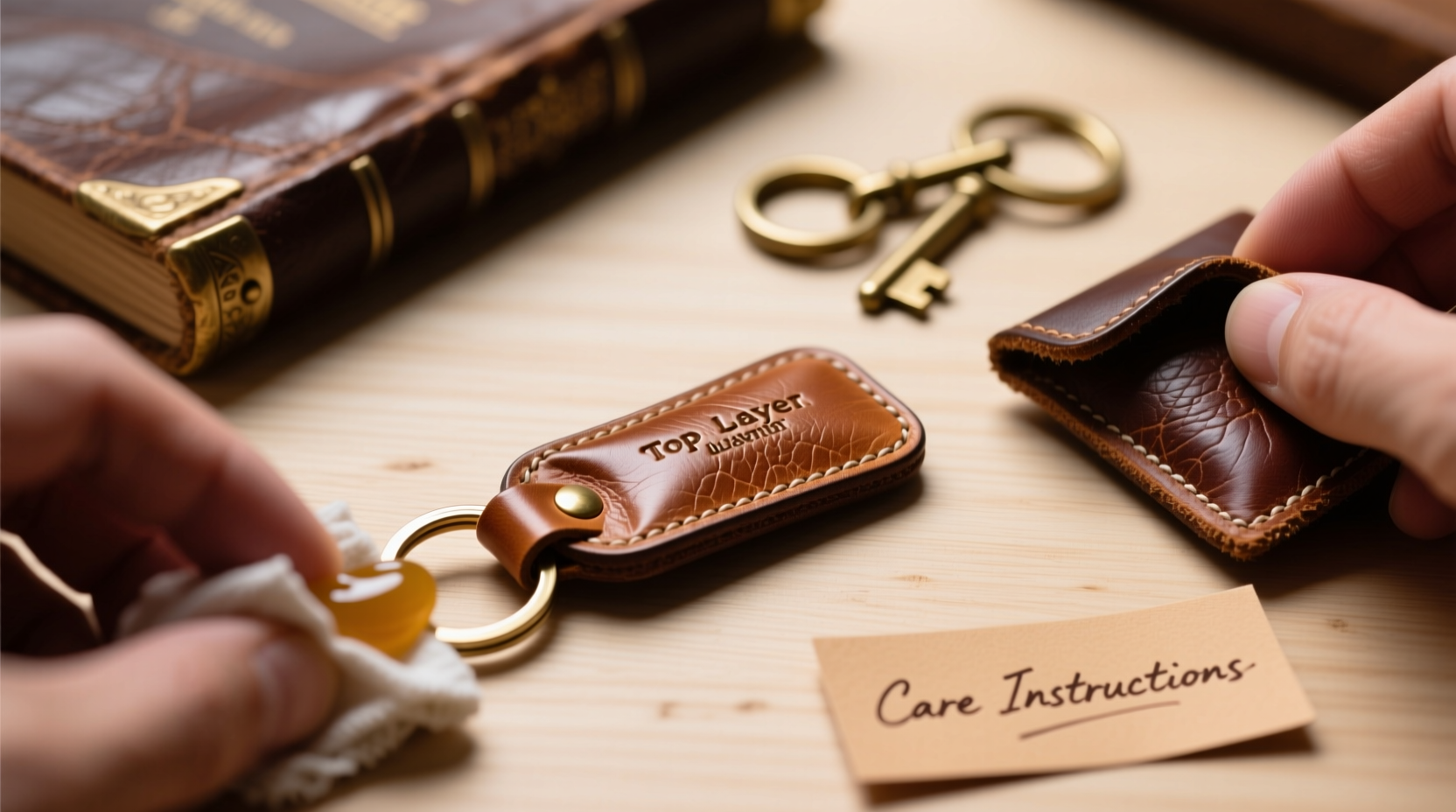
Top layer cowhide refers to the outermost section of the animal's hide, split from the lower layers during tanning. It contains tightly packed fibers, making it stronger and more breathable than corrected or bonded leathers. Unlike synthetic alternatives, top layer cowhide responds to use by developing a unique luster known as a patina—a natural sheen that forms through exposure to skin oils, light, and air. This evolution is prized by leather enthusiasts but only occurs under proper maintenance.
The porous nature of untreated leather means it absorbs moisture and contaminants easily. Without protection, this can lead to staining, cracking, or discoloration. While inherently resilient, top layer cowhide benefits significantly from routine care tailored to its organic composition.
“Top grain leather isn’t indestructible—its beauty lies in how you treat it over time.” — Daniel Reyes, Artisan Leatherworker & Founder of Heritage Hide Co.
Daily Maintenance and Cleaning Routine
Regular upkeep prevents buildup of grime and maintains surface integrity. Since keychains are frequently handled and exposed to pockets, bags, and outdoor environments, they accumulate oils, dust, and sweat faster than larger leather goods.
Step-by-Step Cleaning Process
- Remove from keys: Detach the keychain from metal rings or carabiners to clean all surfaces evenly.
- Dust off debris: Use a soft-bristled brush or dry microfiber cloth to gently remove loose dirt.
- Spot-clean stains: Dampen a corner of a lint-free cloth with distilled water (never tap water, which may contain minerals). Wipe affected areas lightly without soaking.
- Tackle oil marks: For greasy fingerprints or food residue, sprinkle a pinch of cornstarch or talcum powder on the spot. Let sit for 15–30 minutes, then brush away.
- Allow natural drying: Never use heat sources such as hairdryers. Air-dry at room temperature away from direct sunlight.
Conditioning for Longevity and Flexibility
Leather loses natural oils over time, especially with frequent handling and environmental exposure. Conditioning replenishes these oils, preventing stiffness and micro-cracks.
Choose a high-quality leather conditioner made specifically for vegetable-tanned or aniline-finished leathers. Avoid products containing silicones or waxes that create artificial shine or clog pores.
Recommended Conditioning Schedule
| Climatic Condition | Frequency | Product Type |
|---|---|---|
| Dry or cold climates | Every 4–6 weeks | Oil-based (e.g., mink oil, neatsfoot) |
| Humid or moderate zones | Every 8–10 weeks | Cream-based (e.g., Lexol, Bick 4) |
| High-handling usage | Monthly | Balanced formula with UV protection |
Apply conditioner sparingly using a cotton swab or fingertip. Work in circular motions, focusing on edges and creases where drying begins first. Allow absorption for 1–2 hours, then buff lightly with a dry cloth to remove residue.
Proper Storage Practices
Even small items like keychains suffer when stored improperly. Heat, humidity, and friction accelerate deterioration.
- Store in a breathable fabric pouch—not plastic, which traps moisture and encourages mold.
- Keep away from radiators, windowsills, or glove compartments where temperatures fluctuate.
- If not used daily, place in a drawer with silica gel packets to regulate humidity.
- Avoid stacking heavy objects on top, which can distort shape or cause permanent creasing.
Avoiding Common Care Mistakes
Misguided attempts at cleaning often do more harm than good. Below are frequent errors and their consequences:
| Mistake | Consequence | Solution |
|---|---|---|
| Using alcohol-based wipes | Strips natural oils; causes brittleness | Use water-dampened cloth only |
| Exposing to rain or spills | Water spots, warping, mildew | Blot immediately, air-dry slowly |
| Applying too much conditioner | Oily residue, attracts dust | Use pea-sized amount per application |
| Leaving in direct sunlight | Fading, accelerated aging | Store out of sun; use UV protectant |
Real-Life Example: Reviving a Neglected Keychain
Mark, a commuter in Seattle, received a top layer cowhide keychain as a gift two years ago. He used it daily but never cleaned or conditioned it. After months of exposure to rain, pocket lint, and hand oils, the leather darkened unevenly and developed fine cracks near the stitching.
He followed a restoration process: first, he cleaned the surface with a slightly damp cloth and let it dry for 24 hours. Then, he applied a small amount of Bick 4 conditioner and allowed it to absorb overnight. After three weekly treatments, the leather regained flexibility and began to show an even patina. Within a month, the keychain looked revitalized—proof that consistent care can reverse early damage.
Essential Care Checklist
To simplify maintenance, follow this monthly checklist:
- ☑ Remove and inspect for dirt or wear
- ☑ Gently wipe with dry microfiber cloth
- ☑ Spot-clean stains with distilled water
- ☑ Apply leather conditioner (if due)
- ☑ Buff surface to restore luster
- ☑ Store in breathable pouch or drawer
Frequently Asked Questions
Can I get my cowhide keychain wet?
Minimal moisture is tolerable, but prolonged exposure should be avoided. If it gets wet, blot with a dry cloth and allow it to air-dry naturally. Do not use heat. Once dry, condition lightly to restore moisture balance.
How do I remove water stains?
Light water marks often fade as the leather dries. For persistent spots, gently rub with a barely damp cloth in circular motions, then condition. Avoid aggressive scrubbing, which can damage the finish.
Will my keychain develop a patina?
Yes—this is one of the defining characteristics of top layer cowhide. With regular handling and proper care, the leather will darken gradually and develop a personalized sheen unique to your usage pattern.
Preserve the Craft, Honor the Material
Your top layer cowhide keychain represents both utility and artistry. Its value increases not just with age, but with attention. By integrating simple yet deliberate habits into your routine—regular cleaning, mindful conditioning, and intelligent storage—you honor the material’s origins and ensure it performs beautifully for years. Whether it’s a handmade gift, a branded accessory, or a custom design, treating it with care reflects respect for craftsmanship and sustainability.




 浙公网安备
33010002000092号
浙公网安备
33010002000092号 浙B2-20120091-4
Comments
No comments yet. Why don't you start the discussion?