
Automatic watches blend craftsmanship, precision, and timeless design. Unlike quartz models powered by batteries, automatic timepieces rely on motion to generate energy. This self-winding mechanism is both elegant and functional—but it requires understanding to keep the watch running reliably. For new owners, knowing how to properly charge an automatic watch is essential. Without regular movement or manual winding, the watch will stop. This guide explains everything you need to know to keep your automatic watch fully charged, accurate, and in excellent condition.
Understanding How Automatic Watches Work
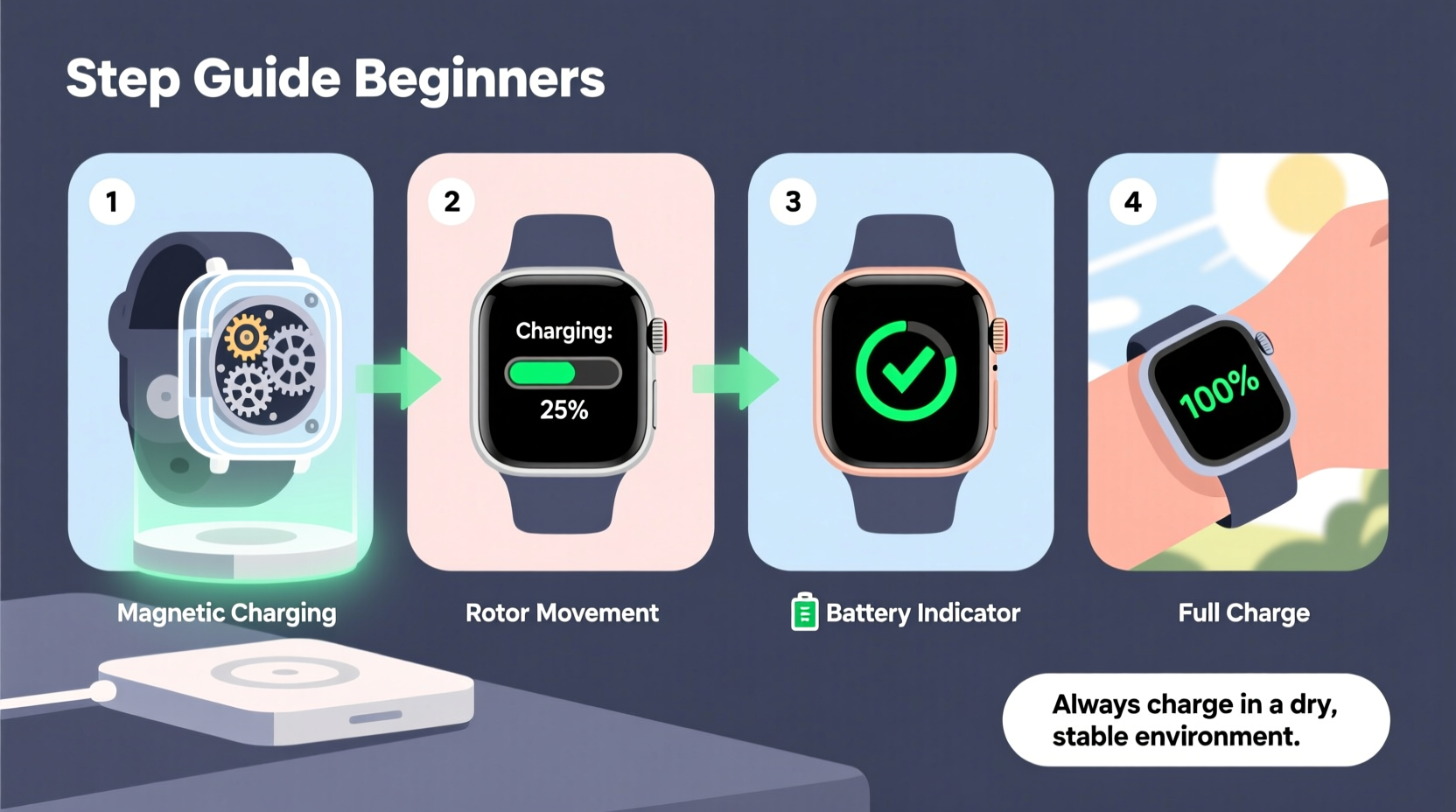
An automatic watch, also known as a self-winding mechanical watch, uses the natural motion of the wearer’s wrist to power its internal spring—the mainspring. As you move your arm, a rotor inside the watch spins, transferring energy to wind the spring. When fully wound, the mainspring releases energy gradually, powering the gears and keeping time.
Most automatic watches have a power reserve ranging from 36 to 80 hours, depending on the movement. This means that once fully charged, the watch can continue running for over a day—even if not worn—before stopping. However, if left idle too long, the mainspring unwinds completely, and the watch halts.
It’s important to note that “charging” an automatic watch doesn’t involve electricity. Instead, charging refers to winding the mainspring either through natural wear, manual winding, or using a watch winder.
The Three Ways to Charge an Automatic Watch
There are three primary methods to charge an automatic watch: wearing it, manually winding it, and using a watch winder. Each has advantages depending on your usage pattern and collection size.
1. Charging Through Regular Wear
When worn daily, an automatic watch charges itself through your natural movements. Activities like walking, typing, or gesturing provide enough motion to keep the rotor spinning and the mainspring wound.
For most people, wearing the watch for 8–10 hours a day ensures consistent power. High-efficiency movements may require less motion, while others—especially older or vintage calibers—may need more activity to stay fully charged.
2. Manual Winding
If your watch has stopped or hasn’t been worn for a couple of days, manual winding is the quickest way to restart it. To do this correctly:
- Unscrew the crown gently (if it’s a screw-down type).
- Pull the crown out to the first position (usually halfway).
- Turn the crown clockwise about 20–40 times. Do not force it.
- Once you feel resistance, stop winding—the mainspring is full.
- Push the crown back in and screw it down (if applicable).
Overwinding can damage the movement, so avoid excessive turns. Most modern watches have slipping mechanisms to prevent this, but caution is still advised.
3. Using a Watch Winder
A watch winder is a device that mimics wrist motion by rotating the watch at set intervals. It’s ideal for collectors who own multiple automatic watches or don’t wear a particular piece every day.
Winders come with programmable settings for rotation direction (clockwise, counter-clockwise, or both) and turns per day (TPD). Matching these to your watch’s specifications helps maintain optimal tension without overwinding.
“Proper use of a winder preserves accuracy and prevents lubricant settling in long-term storage.” — Daniel Reyes, Master Watchmaker at Horologe Atelier
Do’s and Don’ts of Charging Your Automatic Watch
| Do’s | Don’ts |
|---|---|
| Wear your watch regularly to maintain charge | Leave your watch unused for weeks without winding |
| Manually wind 20–40 times if the watch stops | Force the crown if you feel resistance |
| Use a programmable winder for non-worn pieces | Set the winder to maximum TPD continuously |
| Screw down the crown after winding (if applicable) | Expose the watch to strong magnetic fields during charging |
| Check timekeeping accuracy weekly | Shake the watch aggressively to “jump-start” it |
Step-by-Step Guide: Restarting a Stopped Automatic Watch
If your automatic watch has stopped due to inactivity, follow this sequence to bring it back to life:
- Inspect the watch: Ensure the crown is secure and there are no visible damages.
- Wash hands or use gloves: Prevent oils and dirt from entering the movement via the crown.
- Unscrew the crown: If it’s a screw-down type, turn counterclockwise until loose.
- Wind manually: Turn the crown clockwise 25–30 times. Stop if you feel firm resistance.
- Set the time: Pull the crown to the second position, adjust hands to correct time, then push back.
- Screw down the crown: Turn clockwise until tight to maintain water resistance.
- Wear consistently: Allow natural motion to maintain the charge over the next few days.
After restarting, monitor the watch for 2–3 days. If timekeeping deviates by more than ±5 seconds per day, consider professional servicing.
Mini Case Study: Sarah’s Weekend Watch Dilemma
Sarah owns a sleek automatic dress watch she wears only on weekends. After several months, she noticed it frequently stopped by Friday evening. Frustrated, she assumed it was faulty. A visit to her local watchmaker revealed the issue: insufficient winding from limited wear.
The solution? She began manually winding the watch each Thursday night—just 20 turns—and stored it on a simple single-watch winder set to 650 TPD in bi-directional mode. The result: her watch now starts each weekend fully charged and keeps accurate time throughout Saturday and Sunday.
This small routine change preserved the longevity of the movement and restored her confidence in the watch’s reliability.
Frequently Asked Questions
Can I overwind my automatic watch?
Modern automatic watches have built-in safety mechanisms that prevent overwinding. Once the mainspring is fully wound, the winding system disengages. However, applying excessive force can damage the crown or stem. Always wind smoothly and stop when resistance increases.
How often should I wind my automatic watch if I don’t wear it daily?
If not worn daily, wind the watch manually every 2–3 days to keep the movement lubricants circulating and prevent the mainspring from fully unwinding. Alternatively, use a watch winder to maintain continuous operation.
Do I need a winder for just one automatic watch?
Not necessarily. If you rotate your watch with regular wear, a winder isn’t essential. However, if you own a valuable or sentimental piece you rarely wear, a winder helps preserve its function and accuracy over time.
Essential Care Tips for Long-Term Performance
Charging is just one part of maintaining an automatic watch. To ensure lasting performance, follow these best practices:
- Service every 5–7 years: Regular cleaning, oiling, and adjustment by a qualified watchmaker prevent wear and maintain precision.
- Avoid magnetic fields: Keep your watch away from speakers, phones, and laptops, which can magnetize the movement and disrupt timing.
- Store properly: When not in use, keep the watch in a soft pouch or box, ideally on a winder if not worn for extended periods.
- Check water resistance: Have gaskets checked during servicing, especially if exposed to moisture or sweat.
- Monitor accuracy: Use a timegrapher app or compare against atomic time to detect early signs of deviation.
Conclusion
Charging an automatic watch properly is simple once you understand its mechanics. Whether through daily wear, careful manual winding, or smart use of a winder, maintaining consistent power ensures reliable timekeeping and extends the life of your timepiece. These watches are engineered to last decades—sometimes generations—with thoughtful care.
Start today by checking your watch’s power reserve, winding it if needed, and establishing a routine that fits your lifestyle. Whether you own one automatic watch or a growing collection, proper charging habits lay the foundation for lifelong enjoyment.




 浙公网安备
33010002000092号
浙公网安备
33010002000092号 浙B2-20120091-4
Comments
No comments yet. Why don't you start the discussion?