
Rattan diffusers are a popular choice for naturally scenting homes with elegance and consistency. Unlike electric or spray-based air fresheners, they offer a subtle, continuous aroma without noise or chemicals. However, over time, the rattan sticks can become clogged with oil residue, reducing their ability to wick and disperse fragrance effectively. When this happens, the scent weakens—even if the bottle still contains oil. The good news: with proper care, you can restore their performance and extend both the life of your diffuser and its olfactory impact.
Cleaning and refreshing rattan diffuser sticks isn’t complicated, but it requires attention to detail and the right method. Whether you’re using a high-end essential oil blend or a designer room scent, maintaining your diffuser sticks ensures you get the most out of your investment. Below is a comprehensive guide to keeping your diffuser performing at its best—without damaging materials or compromising safety.
Why Rattan Sticks Lose Their Effectiveness
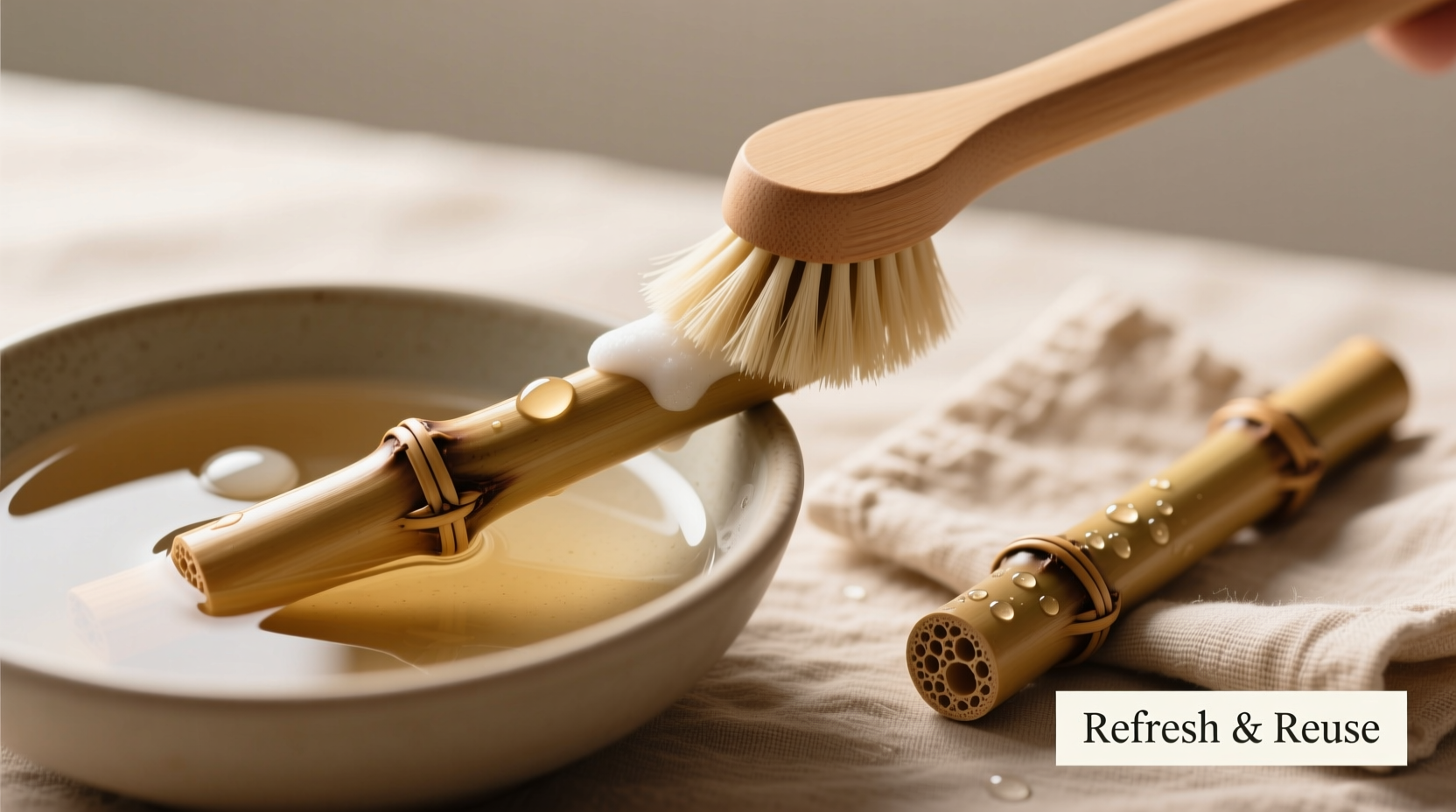
Rattan is a porous natural material that absorbs scented oil from the base of the diffuser and carries it upward through capillary action. As the oil evaporates from the surface of the stick, fragrance is released into the air. Over time, dust, dirt, and oxidized oils accumulate on the surface and within the pores, creating a barrier that inhibits oil absorption.
This buildup results in diminished scent throw—the strength and reach of the fragrance in the room. You might notice the scent fading after just a few weeks, even though the oil level hasn’t changed significantly. This doesn’t necessarily mean the oil has lost potency; more often, it’s the sticks that have stopped working efficiently.
“Many people replace their entire diffuser when all they really needed was to refresh the rattan reeds. A simple cleaning can restore up to 80% of the original scent output.” — Clara Nguyen, Home Fragrance Specialist at ScentWell Living
Step-by-Step Guide to Cleaning Rattan Diffuser Sticks
Reviving your diffuser sticks is a straightforward process that takes less than 15 minutes. Follow these steps carefully to avoid damage and maximize effectiveness.
- Remove the sticks from the oil bottle. Gently pull them out and place them on a paper towel or disposable cloth. Avoid placing them directly on wood or fabric surfaces, as residual oil may stain.
- Invert the sticks periodically during use. Before cleaning, try flipping them first—if the ends submerged in oil are still fresh, simply turning them over may restore scent for a few more days.
- Wipe each stick with a dry or slightly damp microfiber cloth. Use gentle pressure to remove surface dust and oil buildup. For heavier residue, lightly moisten the cloth with rubbing alcohol (70% isopropyl).
- Let the sticks air-dry completely. Place them upright or lay them flat in a well-ventilated area away from direct sunlight. Drying time is typically 30–60 minutes.
- Flip or replace in the bottle. Once dry, return the sticks to the diffuser. For best results, flip them so the freshly cleaned ends go into the oil.
When to Replace vs. Clean the Sticks
Not all rattan sticks can be saved. If they’ve been in use for several months or show signs of splitting, discoloration, or hardening, cleaning may not restore their function. Knowing when to clean versus when to replace helps maintain consistent fragrance levels.
| Action | Best When | Avoid If |
|---|---|---|
| Clean | Sticks used less than 6–8 weeks; visible oil but weak scent; dusty surface | Sticks are brittle, cracked, or darkened at the tips |
| Replace | After 2–3 months of continuous use; poor absorption despite cleaning; broken fibers | You want to switch scents—never reuse old sticks with new oils |
Always use new rattan sticks when introducing a different fragrance. Reusing old sticks can cause scent contamination, resulting in an unpleasant or muddy aroma.
How to Refresh Sticks for Stronger Scent Output
Cleaning removes debris, but refreshing enhances performance. Try these expert-backed techniques to boost fragrance diffusion after cleaning.
- Rotate sticks weekly: Flipping them introduces fresh, absorbent ends into the oil reservoir.
- Use fewer sticks temporarily: Remove 1–2 sticks to increase oil exposure per reed, then reintroduce them after 24 hours.
- Warm the oil gently: Place the diffuser in indirect sunlight or near a warm (not hot) area to thin the oil and improve wicking.
- Add a carrier oil: If the fragrance oil has thickened, mix in a few drops of fractionated coconut oil or safflower oil to improve flow.
“Think of rattan sticks like a sponge. If one side gets saturated and dries unevenly, it stops absorbing. Regular rotation keeps the ‘engine’ of your diffuser running smoothly.” — Marcus Reed, Aromatherapy Product Developer
Common Mistakes to Avoid
Even well-intentioned care can backfire if done incorrectly. Steer clear of these frequent errors:
- Using water to clean: Water damages rattan fibers and prevents oil absorption. Stick to dry wiping or alcohol-dampened cloths only.
- Leaving sticks upside down too long: While flipping helps, leaving dry ends in oil for extended periods without rotating back can lead to overflow or dripping.
- Overloading the bottle: Too many sticks reduce airflow and oil circulation, weakening scent dispersion.
- Placing in direct sunlight: UV rays degrade both oil and rattan, accelerating deterioration and altering fragrance notes.
Mini Case Study: Reviving a Bedroom Diffuser
Sarah had placed a lavender rattan diffuser in her bedroom three months prior. Initially, the scent was calming and noticeable, but after six weeks, it faded almost completely. She assumed the oil had evaporated, but upon inspection, the bottle was still half-full.
Instead of buying a new diffuser, she removed the seven rattan sticks, wiped each with an alcohol-moistened cloth, and let them dry overnight. The next day, she flipped the sticks and returned them to the bottle. Within two hours, the lavender scent returned—light but perceptible. After 24 hours, the aroma filled the room again.
She now flips her sticks biweekly and cleans them monthly. Her diffuser lasted nearly five months before needing replacement sticks—more than double the average lifespan she previously experienced.
Frequently Asked Questions
Can I wash rattan diffuser sticks with soap and water?
No. Water causes rattan to swell and deteriorate, while soap leaves residues that block oil absorption. Use only dry or alcohol-dampened cloths for cleaning.
How often should I clean my diffuser sticks?
Every 4–6 weeks is ideal for optimal performance. If you notice reduced scent or visible dust buildup, clean them immediately.
Can I reuse rattan sticks with a different fragrance?
No. Essential oils and fragrance compounds linger deep within the rattan fibers. Reusing sticks will mix scents, often creating an unpleasant odor. Always use new sticks for new fragrances.
Essential Care Checklist
Keep this checklist handy for routine diffuser maintenance:
- ☑ Flip sticks every 1–2 weeks
- ☑ Wipe sticks monthly with a dry or alcohol-dampened cloth
- ☑ Inspect for cracking or hardening
- ☑ Replace sticks every 2–3 months
- ☑ Store diffuser away from heat and direct sun
- ☑ Never mix old sticks with new oils
- ☑ Use between 5–7 sticks depending on bottle size
Conclusion
Maintaining your rattan diffuser sticks is a small act that yields significant rewards: stronger fragrance, longer-lasting oil, and better value from your home scenting products. With regular flipping, occasional cleaning, and timely replacement, you can enjoy consistent, aromatic ambiance for months. These natural reeds are designed to work quietly in the background—but they perform best when given a little attention.




 浙公网安备
33010002000092号
浙公网安备
33010002000092号 浙B2-20120091-4
Comments
No comments yet. Why don't you start the discussion?