
Water fasting—abstaining from all food while consuming only water—is one of the oldest forms of detoxification and metabolic reset. When done correctly, it can support weight loss, improve insulin sensitivity, reduce inflammation, and promote autophagy, the body’s natural cellular cleanup process. However, without proper knowledge and precautions, water fasting carries risks. This guide outlines a science-backed, practical approach to ensure your fast is both safe and effective.
Understanding Water Fasting: What It Is and How It Works
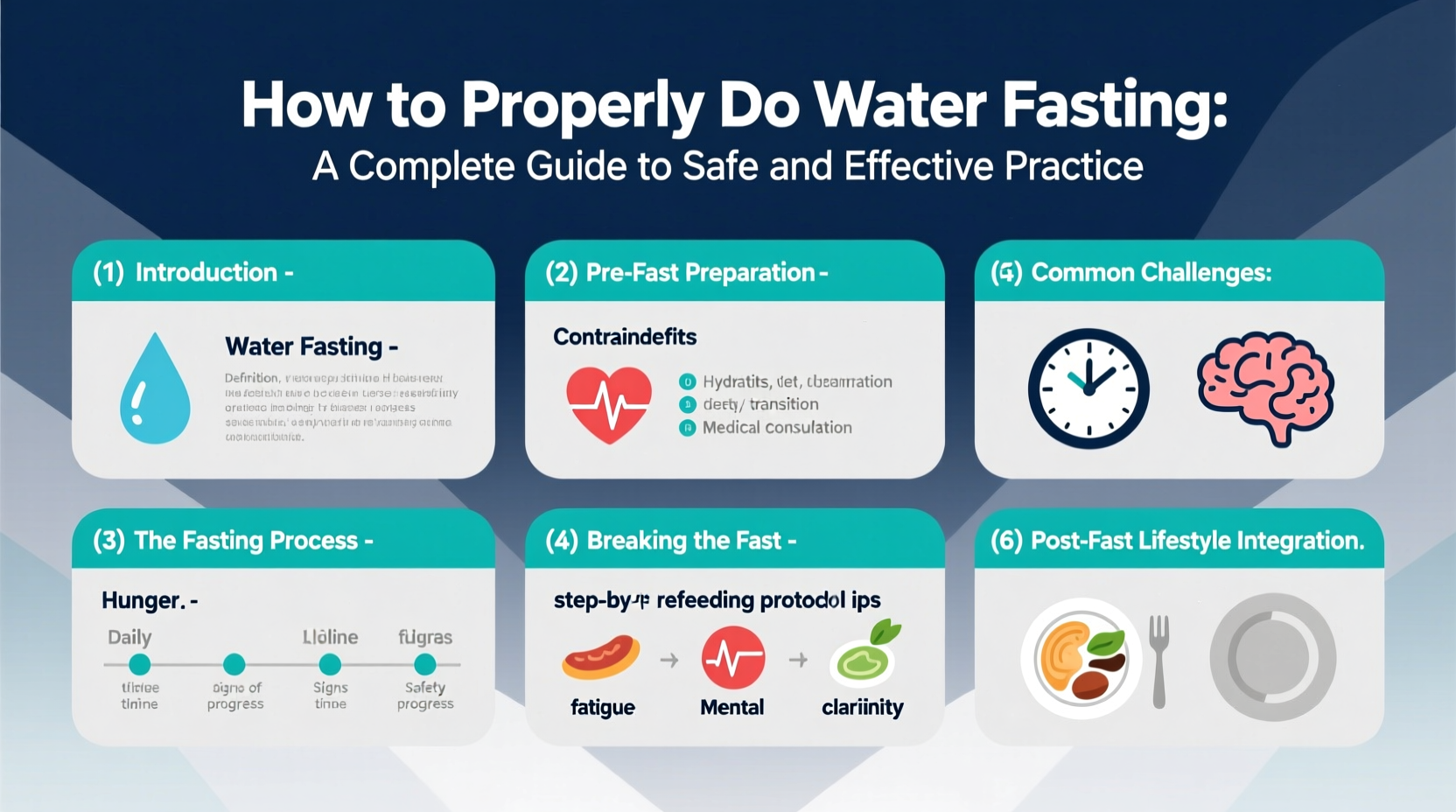
Water fasting involves consuming no calories—only plain water—for a set period, typically ranging from 24 hours to several days. During this time, the body transitions from using glucose as its primary fuel source to burning stored fat through ketosis. This metabolic shift triggers physiological changes that may benefit long-term health.
The process begins within 12–24 hours of fasting. Glycogen stores deplete, insulin levels drop, and the liver starts converting fat into ketones for energy. After 48–72 hours, autophagy increases significantly, helping remove damaged cells and proteins. These mechanisms underlie many of the reported benefits of extended fasting.
“Intermittent and prolonged fasting can enhance metabolic flexibility and cellular repair, but they must be approached with medical awareness.” — Dr. Mark Mattson, Neuroscientist and Fasting Researcher, Johns Hopkins University
Preparing for Your Fast: The Critical First Step
Jumping into a multi-day fast without preparation increases the risk of side effects like dizziness, fatigue, and nausea. A well-planned pre-fasting phase helps your body transition smoothly and improves compliance.
Begin preparing 3–5 days before your fast by gradually reducing processed foods, sugars, and caffeine. Emphasize whole, low-glycemic foods such as vegetables, healthy fats (avocado, olive oil), and moderate protein. This lowers insulin fluctuations and primes your metabolism for fat-burning.
Pre-Fast Checklist
- Consult your doctor, especially if you have diabetes, heart disease, or take medications
- Clear your schedule of high-stress or physically demanding tasks
- Stock up on filtered water and optional electrolyte supplements (sodium, potassium, magnesium)
- Inform family or roommates about your fast for safety
- Set a defined end date—do not extend the fast spontaneously
Executing a Safe and Effective Water Fast
A successful fast balances duration, hydration, and symptom monitoring. Most beginners should start with a 24- to 48-hour fast. Experienced individuals may extend to 72 hours or more, but anything beyond 5 days should only be done under medical supervision.
Step-by-Step Timeline for a 48-Hour Water Fast
- Day 0 (Evening Before): Eat a balanced, light meal. Begin drinking extra water.
- Day 1 (Fasting Day 1): Consume 2–3 liters of water. Sip herbal teas (non-caloric) if desired. Rest, avoid intense exercise.
- Day 2 (Fasting Day 2): Continue hydration. Monitor for symptoms like headaches or dizziness. Use electrolytes if needed.
- Day 3 (Breaking the Fast): Start with small portions of easily digestible food (e.g., broth, steamed vegetables).
During the fast, drink at least 2.5–3 liters of water daily. Dehydration can mimic or worsen common side effects such as fatigue and headaches. Adding a pinch of sea salt to water once or twice a day helps maintain electrolyte balance, particularly sodium.
Refeeding: Why It’s as Important as the Fast Itself
Many people overlook refeeding, assuming that resuming normal eating is straightforward. In reality, reintroducing food too quickly can cause bloating, nausea, or even refeeding syndrome—a rare but serious condition involving fluid and electrolyte shifts, particularly after prolonged fasts.
Start with liquids and soft foods. Bone broth, miso soup, or vegetable broth provide gentle nourishment and replenish sodium and minerals. Over the next 24–48 hours, gradually add cooked vegetables, ripe fruits, and small servings of lean protein. Avoid raw salads, fried foods, sugar, and large meals during this window.
| Stage | Foods to Eat | Foods to Avoid |
|---|---|---|
| First 6–12 Hours | Bone broth, herbal tea, diluted lemon water | Solid foods, dairy, sugar |
| 12–24 Hours | Steamed vegetables, applesauce, boiled eggs | Red meat, grains, processed snacks |
| 24–72 Hours | Lean proteins, cooked grains, avocado | Fried foods, alcohol, caffeine |
Common Mistakes and How to Avoid Them
Even well-intentioned fasters make errors that compromise results or safety. Recognizing these pitfalls ahead of time improves outcomes.
- Mistake: Starting too long a fast too soon.
Solution: Begin with 24 hours and assess tolerance before extending. - Mistake: Ignoring signs of distress like chest pain, severe dizziness, or confusion.
Solution: Break the fast immediately and seek medical advice if symptoms persist. - Mistake: Returning to junk food post-fast.
Solution: Use refeeding as an opportunity to reset eating habits sustainably.
Real-World Example: Sarah’s 48-Hour Reset
Sarah, a 38-year-old office worker, struggled with afternoon energy crashes and mild insulin resistance. After consulting her physician, she decided to try a 48-hour water fast over a weekend. She prepared by eating clean meals for three days prior, avoided coffee, and scheduled minimal work obligations.
On day one, she drank water with a pinch of sea salt every few hours. Mild headache appeared midday but resolved after resting and increasing hydration. By day two, mental clarity improved, and hunger diminished. She broke her fast with bone broth, followed by a small portion of steamed carrots and chicken. Over the next week, she noticed better appetite control and sustained energy. Her follow-up blood test showed improved fasting glucose levels.
Frequently Asked Questions
Can I exercise while water fasting?
Light activity such as walking or gentle yoga is generally safe. Avoid intense workouts, especially during the first 24–48 hours, as energy and electrolyte levels are low. Listen to your body and stop if you feel lightheaded.
Is water fasting safe for everyone?
No. Individuals who are underweight, pregnant, have a history of eating disorders, or suffer from certain chronic conditions (e.g., type 1 diabetes) should not attempt water fasting without medical clearance. Always consult a healthcare provider beforehand.
How often can I do a water fast?
For most healthy adults, a 24- to 48-hour fast once every 1–2 months is reasonable. More frequent fasting may lead to nutrient deficiencies or hormonal imbalances if not managed carefully.
Final Thoughts and Next Steps
Water fasting is not a magic solution, but when used strategically, it can be a powerful tool for metabolic health and self-awareness. Success depends on preparation, mindful execution, and responsible refeeding. The goal isn’t just to endure a fast, but to emerge with greater insight into your body’s signals and improved long-term habits.




 浙公网安备
33010002000092号
浙公网安备
33010002000092号 浙B2-20120091-4
Comments
No comments yet. Why don't you start the discussion?