
Cast iron skillets are culinary heirlooms—durable, versatile, and capable of delivering unmatched searing power and even heat distribution. Yet, their reputation for being “high-maintenance” often deters new users. The truth? With proper seasoning and care, a cast iron pan can last generations. At the heart of its longevity lies one essential process: seasoning.
Seasoning isn’t just about creating a non-stick surface; it’s about building a protective layer that prevents rust, enhances flavor, and improves cooking performance over time. For beginners, mastering this process eliminates common frustrations like food sticking or pans developing rust spots after a single wash. This guide breaks down everything you need to know to season your skillet correctly—and keep it in pristine condition for years.
Why Seasoning Matters: More Than Just Non-Stick
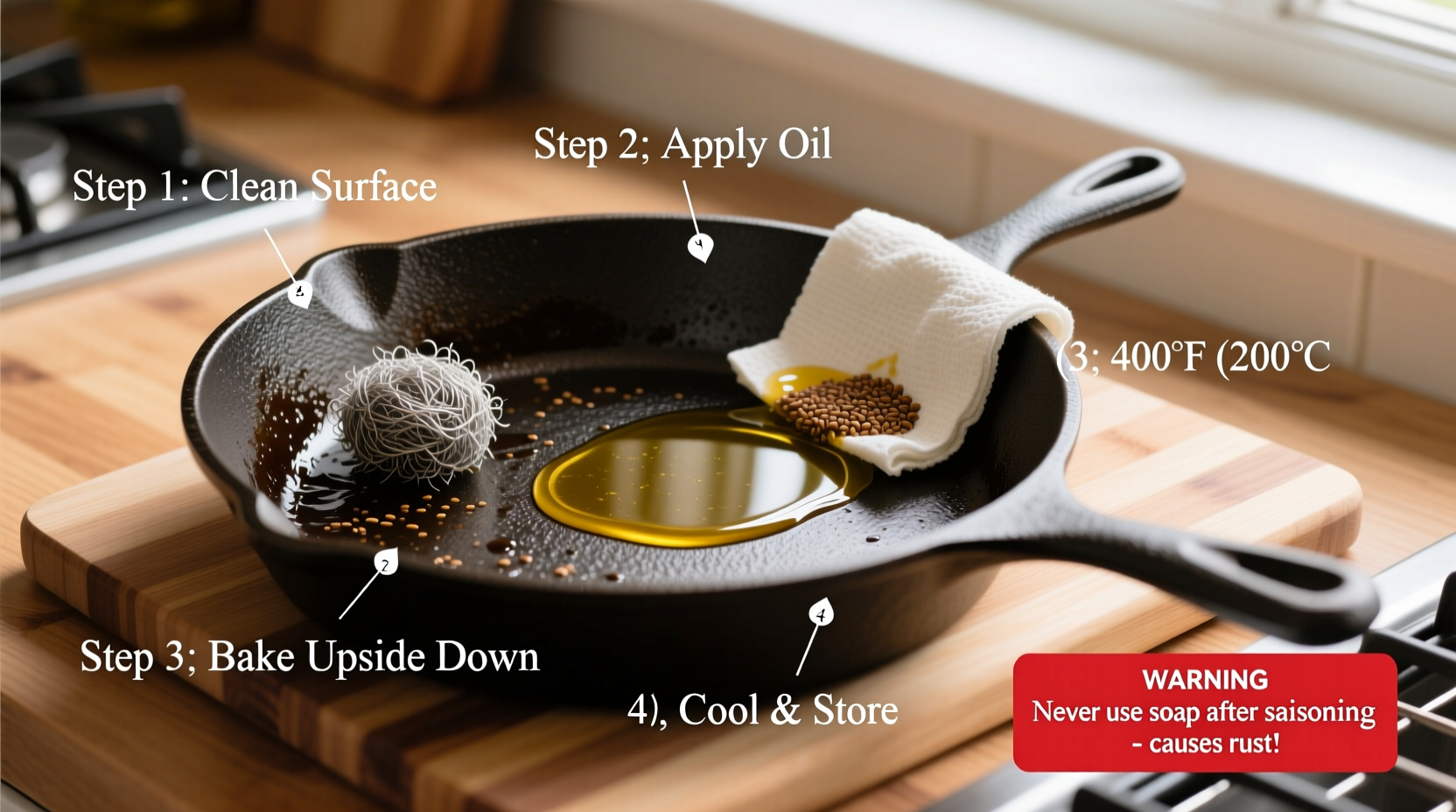
Seasoning is the chemical transformation of oil into a polymerized layer bonded to the iron surface. When heated beyond its smoke point, oil undergoes polymerization—a reaction that forms a hard, slick coating similar to varnish. This layer seals the porous iron, preventing moisture from causing oxidation (rust) and reducing food adhesion.
Unlike synthetic non-stick coatings, which degrade over time, a well-seasoned cast iron skillet improves with use. Each time you cook with fat and heat, you reinforce the seasoning. But without an initial foundation—or if neglected—your pan becomes vulnerable to corrosion and poor performance.
“Seasoning isn’t a one-time task—it’s a relationship between cook, pan, and heat.” — Daniel Gritzer, Culinary Director at Serious Eats
The Step-by-Step Guide to Properly Seasoning Your Skillet
Whether you’ve just purchased a new bare cast iron pan or revived an old rusty one, follow this detailed method to build a strong base layer of seasoning.
- Wash and Dry Thoroughly: Even pre-washed skillets may have factory residues. Use warm water and a brush or sponge (no soap needed) to remove any debris. Dry immediately with a towel, then place on a stovetop over low heat for 5 minutes to eliminate all moisture.
- Apply a Thin Layer of Oil: Choose a high-smoke-point oil such as flaxseed, grapeseed, sunflower, or refined avocado oil. Using a lint-free cloth or paper towel, apply a thin, even coat across the entire surface—including the handle and exterior. Less is more: excess oil leads to sticky residue instead of polymerization.
- Heat Upside Down in Oven: Preheat your oven to 450–500°F (230–260°C). Place the skillet upside down on the middle rack to prevent pooling. Put a sheet of aluminum foil or a baking sheet on the lower rack to catch drips. Bake for one hour.
- Cool and Repeat: Turn off the oven and let the skillet cool inside. Once room temperature, repeat the oil-and-bake process 2–3 times to establish a durable base layer.
Choosing the Right Oil: What Works Best?
Not all oils are created equal when it comes to seasoning. The ideal oil has a high smoke point and a high concentration of polyunsaturated fats, which promote better polymerization.
| Oil Type | Smoke Point | Polymerization Quality | Notes |
|---|---|---|---|
| Flaxseed | ~225°F (107°C) | Excellent | Forms a hard, glossy finish but can flake if applied too thickly. |
| Grapeseed | ~420°F (216°C) | Very Good | Balances durability and ease of use; less prone to stickiness. |
| Sunflower | ~440°F (227°C) | Good | Widely available and effective for regular maintenance. |
| Vegetable Shortening | ~360°F (182°C) | Fair | Inexpensive but slower to build a strong layer. |
| Olive Oil | ~375°F (190°C) | Poor | Low smoke point; not recommended for initial seasoning. |
While flaxseed oil produces the hardest finish, many home cooks prefer grapeseed or refined avocado oil for their reliability and reduced risk of flaking. Avoid butter, coconut oil, and extra virgin olive oil—they contain compounds that don’t polymerize well and can leave gummy residues.
Common Mistakes That Lead to Rust and Failure
Even experienced cooks make errors that compromise seasoning. Recognizing these pitfalls early ensures your skillet stays protected.
- Using Too Much Oil: Excess oil doesn’t burn off cleanly—it carbonizes and creates a sticky, uneven surface.
- Exposing to Water for Too Long: Soaking cast iron, even briefly, invites rust. Never leave it in the sink or dishwasher.
- Storing While Damp: Moisture trapped under towels or in cabinets causes oxidation within hours.
- Using Metal Utensils Aggressively: While safe in moderation, constant scraping can chip away layers of seasoning.
- Acidic Foods Too Soon: Cooking tomatoes or wine-based sauces in a newly seasoned pan can strip the coating before it stabilizes.
Maintenance Routine: Keeping Your Skillet in Top Condition
Proper care extends far beyond the initial seasoning. Daily habits determine whether your skillet thrives or deteriorates.
After Every Use: The Right Way to Clean
Let the skillet cool slightly, but clean while still warm. Rinse with hot water only—avoid soap unless absolutely necessary (modern mild dish soaps won’t harm established seasoning). Use a nylon brush, chainmail scrubber, or coarse salt as an abrasive. Never use steel wool or harsh detergents regularly.
Dry immediately with a towel, then return to low heat for 3–5 minutes to ensure no moisture remains. While warm, rub a few drops of oil onto the cooking surface with a paper towel. This micro-layer protects against humidity and prepares the pan for next use.
Storage Tips to Prevent Rust
Store in a dry, ventilated area. Avoid stacking other pots directly on top unless lined with a breathable cloth. Some users place a folded paper towel inside the skillet to absorb ambient moisture.
“Rust isn’t failure—it’s feedback. It tells you the environment was too damp or the oil layer was insufficient.” — Chef Sarah Stegner, James Beard Award Winner
Mini Case Study: From Rusty Relic to Reliable Workhorse
Jamie inherited her grandmother’s 1940s cast iron skillet, but it arrived covered in orange speckles and flaky black patches. Determined to restore it, she followed a simple rehab process: scrubbed with vinegar and steel wool to remove rust, rinsed, dried thoroughly, and baked at 400°F for 30 minutes to kill residual moisture. Then, she applied three layers of grapeseed oil using the upside-down oven method.
Within a week of regular use—cooking cornbread, searing chicken, and sautéing vegetables—the pan developed a smooth, dark finish. Two months later, it effortlessly released eggs without added grease. Jamie now seasons it monthly during routine cleaning and stores it with a linen liner in a kitchen cabinet away from the sink.
Her experience shows that even severely compromised skillets can be revived with patience and correct technique.
Checklist: Mastering Cast Iron Care
Use this checklist to stay consistent with your skillet maintenance:
- ✅ Wash with hot water and minimal abrasion after each use
- ✅ Dry completely—towel dry, then heat dry on stovetop
- ✅ Apply a light coat of oil while warm
- ✅ Store in a dry place with airflow
- ✅ Re-season every 1–2 months or when food starts sticking
- ✅ Avoid soaking, dishwashers, and prolonged exposure to acidic foods
- ✅ Monitor for signs of rust: dullness, rough texture, discoloration
Frequently Asked Questions
Can I use soap on my cast iron skillet?
Yes—sparingly. Modern dish soaps are mild and won’t strip a well-established seasoning. However, avoid heavy-duty degreasers or soaking with soap. A quick wipe with a soapy sponge followed by immediate drying and re-oiling is perfectly safe.
My skillet has rust—do I need to throw it out?
No. Surface rust is reversible. Scrub with vinegar or lemon juice and steel wool until clean. Rinse, dry thoroughly, and re-season following the standard oven method. Deep pitting or structural damage are the only reasons to consider replacement.
How do I know if my seasoning is good?
A well-seasoned skillet has a deep, semi-glossy black finish. It should feel smooth (not sticky or greasy) and release food easily, especially after cooking with fats. If eggs slide freely without excessive oil, your seasoning is working.
Conclusion: Build Confidence Through Consistent Care
Learning how to properly season a cast iron skillet transforms it from a fragile antique into a resilient kitchen partner. The process demands attention, not perfection. Each time you clean, dry, and lightly oil your pan, you’re reinforcing a bond between metal and method—one that grows stronger with every meal.
Rust isn’t inevitable. It’s a signal that moisture won the moment. By understanding the science behind seasoning and adopting simple daily routines, beginners can achieve results rivaling seasoned chefs. Start today: pull out your skillet, give it a thorough seasoning, and commit to mindful maintenance. You’re not just preserving cookware—you’re investing in a lifetime of better cooking.




 浙公网安备
33010002000092号
浙公网安备
33010002000092号 浙B2-20120091-4
Comments
No comments yet. Why don't you start the discussion?