
Dog tags have long served as essential identification tools in military service, symbolizing duty, identity, and remembrance. For members of a platoon, these small metal pieces carry both functional and emotional weight. Wearing them correctly and maintaining their condition honors tradition and ensures clarity in critical moments. Whether you're currently serving, a veteran, or someone who respects military heritage, understanding the proper way to wear and care for platoon dog tags is vital. This guide covers everything from historical context to practical maintenance routines.
The Purpose and History of Platoon Dog Tags
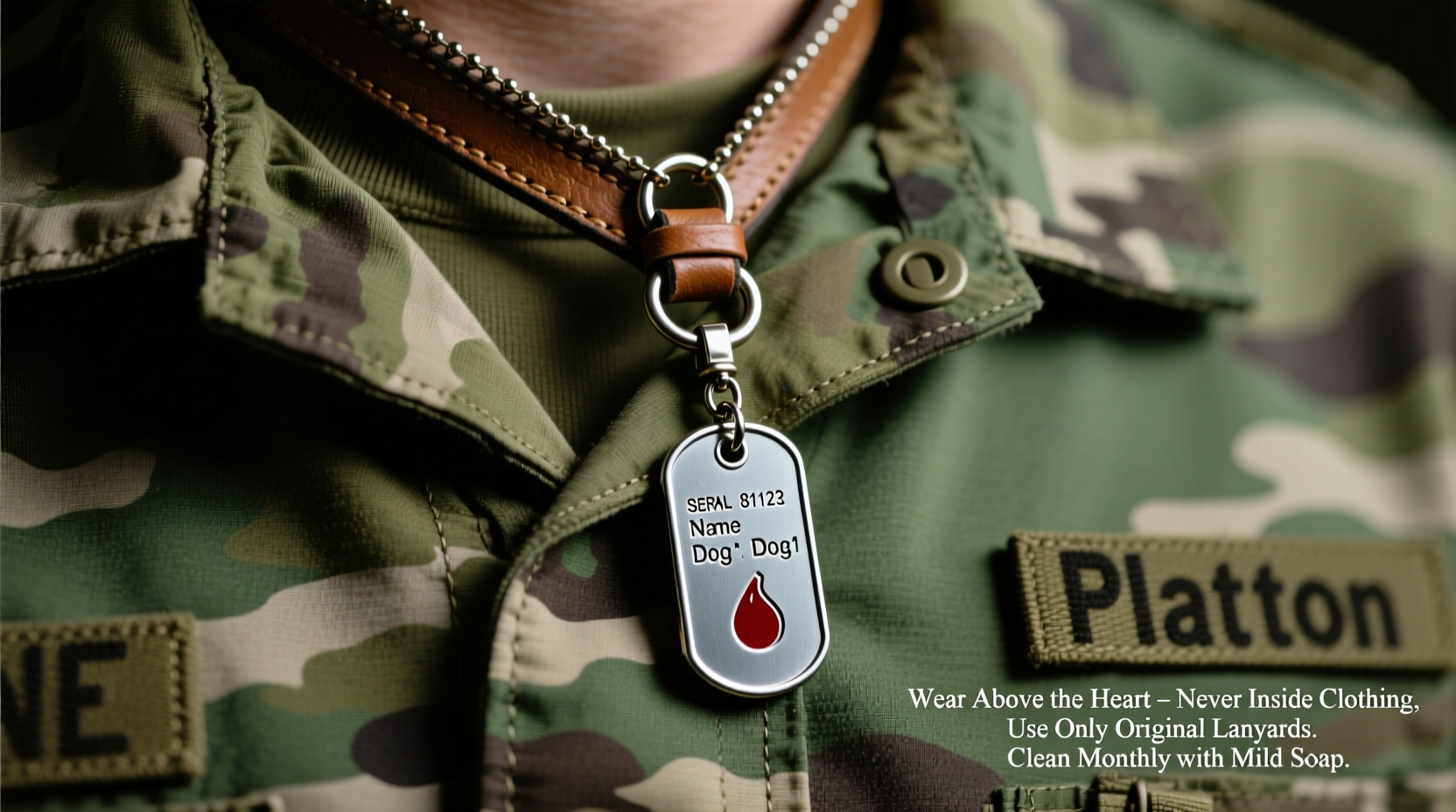
Military dog tags originated during the American Civil War when soldiers began using unofficial identification methods. By World War I, standardized metal tags were adopted by armed forces worldwide. Their primary purpose remains unchanged: to identify personnel in case of injury or fatality. In a platoon setting—where tight coordination and accountability are crucial—dog tags also reinforce unit cohesion and personal responsibility.
Modern dog tags typically include key information such as name, service number (or Social Security Number), blood type, and religious preference. Some units personalize tags further to reflect platoon identity, though official regulations must always take precedence over customization.
“Dog tags aren’t just equipment—they’re a soldier’s last identifier. Respect begins with how you wear and maintain them.” — Sgt. Daniel Reyes, U.S. Army (Ret.)
How to Properly Wear Platoon Dog Tags
Wearing dog tags correctly involves more than just hanging them around your neck. It reflects discipline, adherence to protocol, and respect for military standards.
Standard Issue Configuration
Most military branches issue two identical dog tags per individual. One remains with the body in emergencies; the other is used for record-keeping. They are worn on a 24-inch stainless steel ball chain, positioned under the uniform unless otherwise directed.
When in combat gear or field uniforms, dog tags should be tucked inside clothing to prevent noise and glare that could compromise stealth. During physical training or non-combat duties, visible wear may be permitted depending on command policy.
Positioning and Layering
- Single Set: Centered at the base of the neck, resting comfortably below collar level.
- Multiple Tags: If authorized to wear additional memorial or challenge coins on the same chain, place official dog tags closest to the body.
- Under Armor: Always wear tags beneath all layers of clothing during tactical operations unless visibility is required for medical access.
Step-by-Step Guide to Cleaning and Maintaining Dog Tags
Dog tags endure harsh environments—sweat, salt, mud, and humidity accelerate corrosion. Regular maintenance prevents deterioration and keeps engravings legible.
- Remove Carefully: Unclasp the chain without bending or forcing the links.
- Rinse Lightly: Use lukewarm water to wash off surface grime. Avoid soaking for extended periods.
- Clean Gently: Apply a soft cloth dampened with mild soap (like dish detergent). Do not use abrasive pads or bleach-based cleaners.
- Dry Thoroughly: Pat dry immediately with a lint-free towel. Residual moisture leads to rust, especially on steel tags.
- Inspect Engraving: Check lettering depth monthly. Faded text reduces readability and compromises identification integrity.
- Lubricate Sparingly: A tiny drop of clear silicone oil on the chain prevents stiffness and oxidation. Wipe excess immediately.
Storage When Not in Use
If temporarily not wearing your tags (e.g., during leave or civilian work), store them in a breathable fabric pouch away from direct sunlight and moisture. Avoid plastic bags, which trap humidity and encourage tarnish.
| Do | Don't |
|---|---|
| Store in a dry, ventilated area | Leave tags in humid bathrooms |
| Clean after exposure to saltwater or sweat | Use toothpaste or baking soda scrubs |
| Check chain integrity weekly | Attach heavy charms or keys to the chain |
| Keep spare tags sealed until needed | Bend or reshape tags manually |
Common Mistakes and How to Avoid Them
Even experienced personnel sometimes overlook simple errors that degrade tag quality or violate protocol.
- Wearing Non-Issued Tags in Formation: Custom or decorative tags should never replace official ones during duty hours.
- Ignoring Chain Wear: Stretched or frayed chains can break unexpectedly. Replace every 12–18 months with approved hardware.
- Over-Personalization: While some platoons engrave mottos like “Never Leave a Man Behind,” avoid obscuring vital data with excessive designs.
- Leaving Tags in Vehicles: Extreme temperatures warp metal and degrade ink fill in engraved grooves.
Real Example: The Desert Deployment Incident
In 2017, a platoon stationed in Kuwait reported several cases where dog tag engravings became illegible within six months. An inspection revealed that soldiers had been cleaning tags with sand due to water shortages, unknowingly scratching the surface. After switching to pre-moistened alcohol-free wipes and instituting biweekly checks, readability improved by 95%. This case underscores how small habits impact long-term functionality.
Care Checklist for Long-Term Preservation
To ensure your platoon dog tags remain intact and respectful throughout service and beyond, follow this actionable checklist:
- ✅ Inspect tags weekly for scratches, fading, or chain damage
- ✅ Clean with mild soap and water after intense physical activity
- ✅ Dry completely before re-wearing or storing
- ✅ Store in a fabric-lined container when off-duty
- ✅ Replace worn chains before deployment or field exercises
- ✅ Keep a backup set sealed and registered with unit supply
- ✅ Verify engraving accuracy annually or after personal data changes
Frequently Asked Questions
Can I engrave my platoon motto on official dog tags?
Only if authorized by commanding officers. Vital identification data must never be obscured. Secondary tags or separate challenge coins are better options for unit slogans.
What should I do if my dog tag chain breaks?
Report the incident through your chain of command immediately. Request replacement via your unit’s supply office. Never go more than 24 hours without wearing issued tags during active duty.
Are stainless steel dog tags waterproof?
They resist corrosion but aren’t fully immune. Prolonged exposure to chlorinated or saltwater requires immediate rinsing and drying to prevent pitting and rust formation.
Honoring Tradition Through Proper Care
Platoon dog tags are more than metal—they represent identity, sacrifice, and unity. How you wear and care for them speaks volumes about your professionalism and respect for service traditions. From correct positioning under uniform layers to disciplined cleaning routines, each action contributes to operational readiness and personal accountability. Whether you're preparing for deployment, preserving a veteran's legacy, or honoring a fallen comrade, attention to detail ensures these symbols remain meaningful and functional for years to come.




 浙公网安备
33010002000092号
浙公网安备
33010002000092号 浙B2-20120091-4
Comments
No comments yet. Why don't you start the discussion?