
Many people prefer using their smartphones without a case for aesthetic or ergonomic reasons. However, this increases the risk of micro scratches on the screen—tiny abrasions caused by dust, keys, sand, or even improper cleaning. While these scratches may seem minor, they accumulate over time, degrading visibility, touch sensitivity, and resale value. The good news is that you can effectively shield your screen from micro damage without sacrificing style or adding bulk. With the right materials, habits, and preventive strategies, maintaining a pristine display is entirely achievable.
Understanding Micro Scratches: What Causes Them?
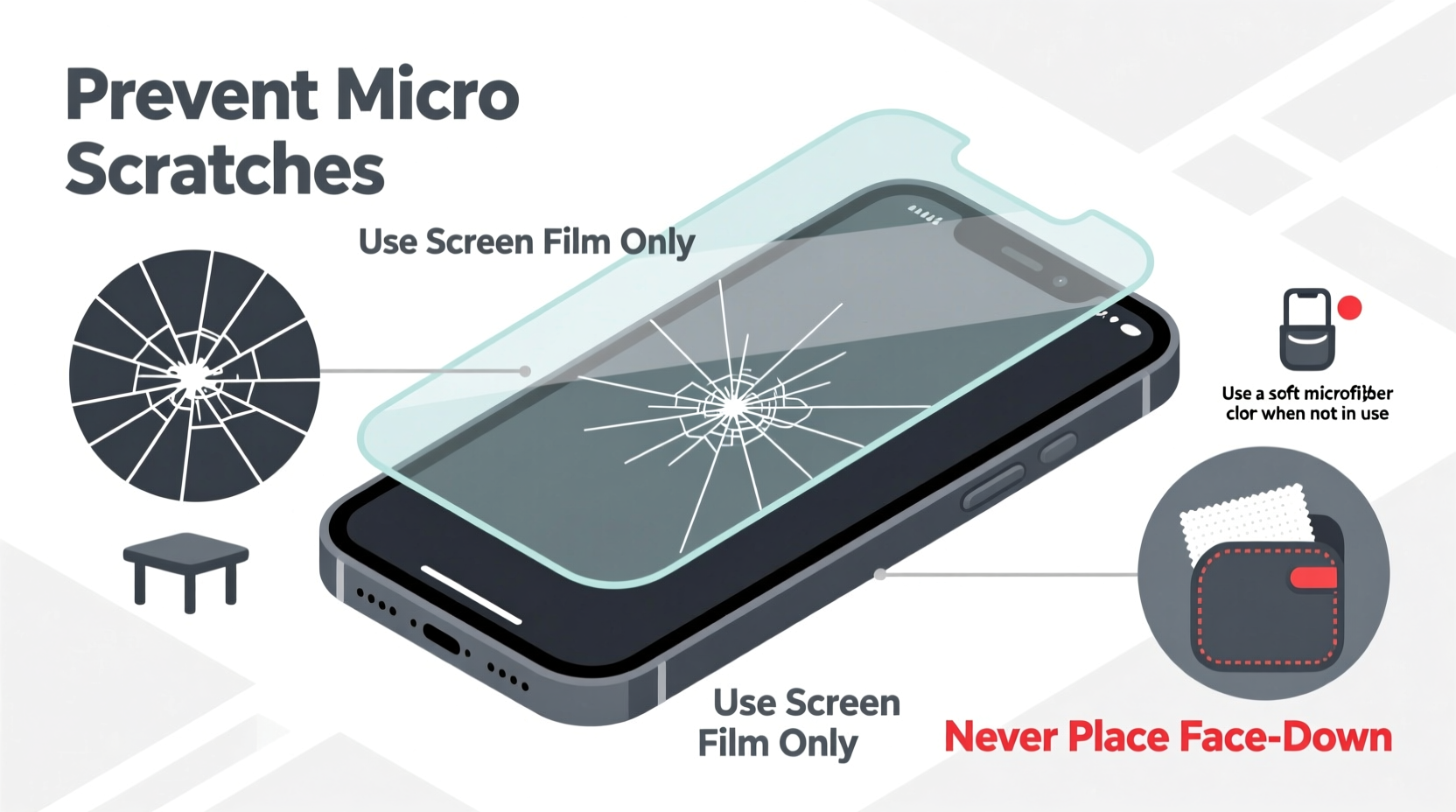
Micro scratches are not typically caused by major drops or impacts but by repeated exposure to abrasive particles. These include silica (found in everyday dust), sand grains, metal objects like keys, and even certain fabric fibers. Surprisingly, the most common culprit is storing your phone loosely in pockets or bags alongside other items.
Glass surfaces, including those treated with Gorilla Glass or similar coatings, are resistant to shattering but still vulnerable to fine abrasion. Mohs hardness scale data shows that while smartphone glass ranks around 6–7, quartz (a component of sand) measures at 7, meaning it can scratch the surface under pressure. Even seemingly harmless actions—like wiping the screen with a rough napkin—can contribute to long-term wear.
Choose the Right Screen Protector
One of the most effective ways to prevent micro scratches without using a case is applying a high-quality screen protector. Modern options go beyond basic plastic films and now offer near-invisible protection with minimal impact on touch sensitivity or clarity.
There are three main types:
- Tempered Glass Protectors: These are the most durable, typically rated between 8–9H on the pencil hardness scale. They absorb impact and resist scratches from keys and coins.
- TPU (Thermoplastic Polyurethane) Films: Flexible and self-healing for minor scuffs, TPU is ideal for curved screens but less rigid than glass.
- Nano Liquid Protectors: A newer technology involving a liquid coating that hardens on the screen surface. While convenient, they offer limited scratch resistance compared to physical layers.
For maximum defense against micro abrasions, tempered glass remains the top choice. Look for models labeled “anti-scratch,” “oleophobic,” and “9H hardness.” Brands like Spigen, Belkin, and ESR have consistently performed well in independent durability tests.
“Even with premium glass, daily friction from particulates will degrade any unprotected screen over time. A screen protector acts as a sacrificial layer.” — Dr. Alan Zhou, Materials Scientist at Corning Inc.
Smart Daily Habits to Prevent Damage
Your behavior plays a bigger role than hardware when it comes to preventing micro scratches. Simple adjustments in how you handle and store your phone can dramatically extend screen life.
Keep It Separate from Abrasive Objects
Never let your phone share space with keys, coins, or loose change. Even in a pocket, denim fabric combined with lint and sand creates a grinding effect when the phone moves. Use a dedicated inner pocket, wallet slot, or small pouch made of soft microfiber.
Avoid Pocket Storage When Possible
Pants pockets, especially back ones, are high-risk zones. Sitting down presses the phone against the seat surface, potentially dragging it across concrete, wood, or fabric embedded with grit. Opt for a jacket pocket, bag compartment, or handheld carry instead.
Clean Your Screen Properly
Dust and debris left on the screen act like sandpaper during swipes. Clean your display regularly—but only with safe methods:
- Use a clean, lint-free microfiber cloth (the kind used for glasses).
- If needed, lightly dampen the cloth with distilled water—never spray directly onto the phone.
- Avoid paper towels, tissues, or clothing, which contain wood pulp fibers that can scratch.
Step-by-Step Guide: Protecting Your Screen Without a Case
Follow this routine to maintain a flawless screen over months and years:
- Day 1 – Apply a Tempered Glass Protector: Choose a precision-cut model compatible with your phone. Clean the screen thoroughly with alcohol wipe, then align and apply the protector slowly to avoid bubbles.
- Daily – Inspect and Wipe the Screen: Before putting your phone away, quickly check for visible dust or smudges. Use a dry microfiber cloth to remove them.
- Weekly – Deep Clean the Device: Power off the phone. Dampen a corner of the cloth slightly and gently wipe the entire front surface. Dry immediately.
- Monthly – Check Protector Condition: Look for edge lifting, cloudiness, or deep scratches. Replace if compromised—even minor gaps allow dust ingress.
- Ongoing – Mind Your Environment: Be conscious of where you place your phone. Set it face-up on clean surfaces only, such as a desk mat or napkin.
This regimen takes less than five minutes per week but pays off in long-term screen integrity.
Do’s and Don’ts: Screen Care Checklist
| Do’s | Don’ts |
|---|---|
| ✔ Use a 9H tempered glass screen protector | ✖ Use plastic film protectors for long-term use |
| ✔ Store phone in a soft-lined pouch | ✖ Keep phone loose in jeans pocket |
| ✔ Clean screen weekly with microfiber cloth | ✖ Wipe screen with shirt sleeve or paper towel |
| ✔ Replace protector every 6–12 months | ✖ Ignore chips or lifted edges on protector |
| ✔ Place phone face-up on clean surfaces | ✖ Set phone face-down on tables or desks |
Real Example: How One User Maintained a Scratch-Free Screen for Two Years
Jamie R., a graphic designer from Portland, uses her iPhone daily for client work and prefers the sleek feel of a naked device. She refuses cases but was frustrated by early screen wear on her previous phone. Determined to do better, she implemented a strict no-case protection plan:
- Immediately applied a premium tempered glass protector upon unboxing.
- Bought a small neoprene sleeve for her bag to store the phone when not in use.
- Carried a microfiber cloth at all times.
- Committed to never placing the phone face-down or in direct contact with surfaces outside her home.
After 26 months, she replaced her phone—not due to screen damage, but because of battery degradation. Upon inspection, the original screen protector had a few minor surface scratches but no cracks or functional issues. The actual display underneath remained completely untouched. Her approach proved that discipline and the right tools can preserve a screen indefinitely.
Frequently Asked Questions
Can I use my phone without any screen protector if I’m careful?
You can, but even careful handling won’t eliminate exposure to airborne dust and incidental contact with abrasive materials. Over time, micro scratches will form. A screen protector is the most reliable barrier and costs far less than screen repair or replacement.
Do liquid screen protectors really work against scratches?
Liquid protectors fill microscopic pores in the glass and offer slight improvement in scratch resistance, but they do not provide a physical barrier. Independent lab tests show they typically add only 1–2H on the hardness scale and cannot withstand repeated abrasion. They are not a substitute for tempered glass.
How often should I replace my screen protector?
Replace it every 6 to 12 months, or sooner if you notice visible scratches, bubbling, lifting edges, or reduced touch sensitivity. A damaged protector loses effectiveness and can trap dirt against the screen.
Alternative Protective Tools and Accessories
If you’re committed to going case-free, consider complementary accessories that enhance screen safety:
- Slide-on Silicone Bumpers: Minimalist rubber edges that cushion drops without covering the screen. They don’t prevent scratches directly but reduce impact risks that could compromise glass integrity.
- Foldable Phone Stands with Pouches: Some multi-function stands double as storage sleeves, keeping the screen elevated and protected when placed on surfaces.
- Magnetic Mounts with Shielding: If you use your phone in the car, opt for mounts with soft silicone pads and ensure no debris accumulates on the contact points.
Additionally, some users swear by “screen-facing” holsters designed for belts or bags. These enclosures hold the phone with the display turned inward, shielding it from all external contact while remaining accessible.
Conclusion: Preserve Your Screen with Intentional Care
Going case-free doesn’t mean resigning yourself to a scratched screen. By combining a high-quality tempered glass protector with disciplined habits—mindful storage, regular cleaning, and surface awareness—you can keep your display looking brand new for years. The effort required is minimal, but the payoff is significant: a device that feels as good as it looks, with full access to its design and texture.
Start today. Apply a precision-fit screen protector, pick up a microfiber cloth, and rethink where and how you place your phone throughout the day. Small changes compound into lasting results. Your future self—and your next phone’s resale value—will thank you.




 浙公网安备
33010002000092号
浙公网安备
33010002000092号 浙B2-20120091-4
Comments
No comments yet. Why don't you start the discussion?