
Bird droppings may seem like a minor annoyance, but they can cause serious damage to your car’s paint if not handled promptly and correctly. The uric acid in bird waste is highly corrosive—more so than rain or tree sap—and can etch into clear coat layers within hours, especially under direct sunlight. Ignoring it risks permanent blemishes, costly detailing, or even paint repair. The good news: with the right tools and timing, you can remove bird poop safely, preserve your finish, and keep your vehicle looking pristine.
Why Bird Poop Is More Dangerous Than You Think
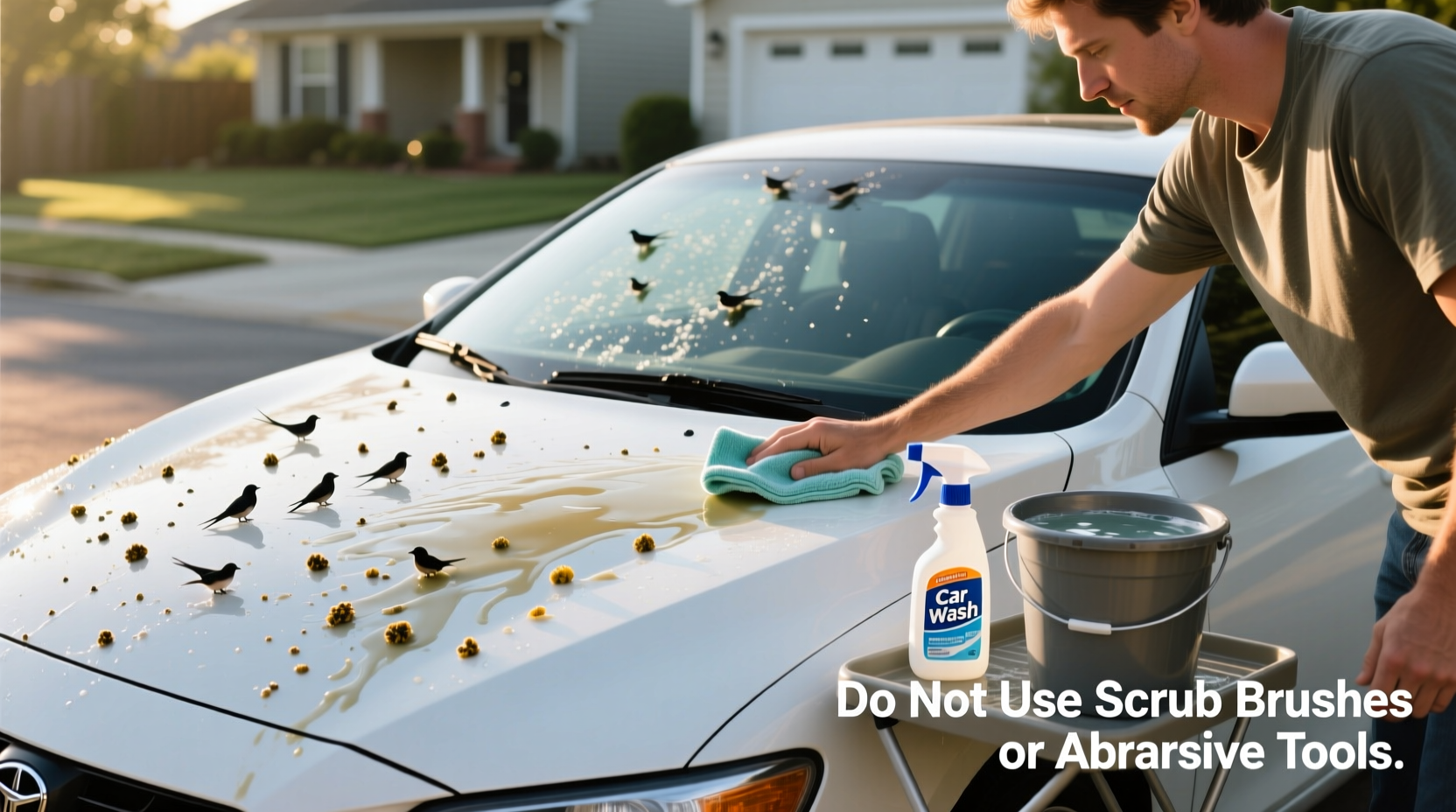
Many drivers casually wipe off bird droppings without considering the chemical impact. Unlike dirt or dust, bird excrement contains high levels of uric acid, which has a pH level low enough to begin degrading automotive clear coat in as little as 30 minutes under hot conditions. Once the protective layer is compromised, oxidation and rust can follow. Sunlight accelerates this process, making summer mornings particularly risky for parked vehicles.
Additionally, dried droppings bond tightly to surfaces. Attempting to scrape them off without proper preparation can scratch the paint or leave behind residue that continues to degrade the finish over time.
“Bird droppings are one of the most underestimated threats to automotive paint. Immediate, gentle removal is critical.” — Carlos Mendez, Professional Detailer & Auto Care Instructor
Step-by-Step Guide to Safe Removal
Removing bird droppings properly involves softening, lifting, and cleaning—never scraping. Follow these steps carefully to avoid scratches or chemical burns on your paint.
- Assess the Situation: Check if the droppings are fresh or dried. Fresh stains are easier to clean. Dried ones require more patience and hydration.
- Shade the Area: If possible, move your car to a shaded area. Direct sun increases the risk of damage during cleaning and causes water to dry too quickly.
- Soak the Spot: Use a microfiber cloth soaked in clean water or a mild car wash solution. Place it gently over the droppings for 3–5 minutes to soften them.
- Lift, Don’t Wipe: After soaking, gently lift the residue using the edge of the cloth. Avoid rubbing, which spreads contaminants and creates swirl marks.
- Wash the Area: Clean the entire panel with pH-balanced car shampoo and a fresh microfiber mitt to remove any remaining acids or oils.
- Dry and Inspect: Dry with a clean microfiber towel. Check for any lingering haze or etching. If present, consider light polishing.
- Apply Protection: Finish with wax or ceramic coating to restore protection and prevent future damage.
When to Use a Clay Bar
If the spot feels rough after cleaning, surface contaminants may remain embedded. A clay bar treatment helps remove bonded pollutants without abrasion. Lubricate the area with quick detailer spray, then glide the clay bar gently across the surface. Follow with a fresh wash and reapply protection.
Do’s and Don’ts: What to Avoid During Cleanup
| Do’s | Don’ts |
|---|---|
| Use cool water to soften droppings | Scrape with fingernails, keys, or plastic |
| Use a dedicated automotive wash product | Use paper towels (they’re abrasive) |
| Clean the surrounding area to prevent contamination spread | Wipe aggressively when the droppings are dry |
| Rinse thoroughly before touching the surface | Leave the stain unattended for hours |
| Reapply wax or sealant afterward | Use dish soap regularly (it strips protective layers) |
Real Example: How One Driver Saved His Paint Job
Mark T., a delivery driver in Phoenix, Arizona, parks his silver sedan outdoors daily. One afternoon, he noticed a large white splatter on his hood after lunch. Assuming it was chalk or paint, he ignored it until evening. By then, the spot had turned slightly cloudy. He researched online and realized it was likely bird waste that had already begun etching the surface.
Following a careful soaking and washing routine, Mark managed to reduce the hazing significantly. However, a faint mark remained. He visited a local detailer who confirmed early-stage clear coat damage. After a light polish and ceramic boost, the panel was restored. “I didn’t think a few hours would make such a difference,” Mark said. “Now I keep a mini cleanup kit in my glovebox.”
Essential Tools and Products Checklist
Being prepared makes all the difference. Keep these items in your car or garage for immediate response:
- Microfiber cloths (at least two: one for soaking, one for drying)
- Bottle of distilled water or pH-neutral car wash solution
- Spray bottle for controlled application
- Small bucket or container for rinsing cloths
- Clay bar and lubricant (for recurring issues)
- Car wax, sealant, or ceramic coating for post-cleaning protection
- Portable shade umbrella or sunshade (to create a work-friendly environment)
Frequently Asked Questions
Can bird poop really damage car paint?
Yes. Bird droppings contain uric acid, which is corrosive and can penetrate the clear coat within hours, especially in hot or sunny conditions. Left untreated, it leads to permanent etching and discoloration.
What should I do if the stain won’t come off completely?
If residue or haze remains after gentle cleaning, try a clay bar treatment. If the surface still looks uneven, light polishing with a machine or by hand may be necessary. For deep etching, consult a professional detailer.
Is it safe to use windshield wiper fluid to clean bird droppings?
No. Windshield washer fluid often contains solvents and alcohols designed for glass, not paint. These can strip wax and damage clear coat. Stick to water or automotive-specific cleaners.
Prevention: Minimize Future Incidents
While you can’t control where birds land, you can reduce exposure. Park in garages or covered areas whenever possible. If outdoor parking is unavoidable, use a car cover—especially overnight or during peak bird activity (early morning and dusk). Consider installing motion-activated deterrents near home parking spots, such as reflective tape or ultrasonic devices.
Regularly waxing or applying a ceramic coating adds a sacrificial layer that makes cleanup easier and provides extra resistance against acidic contaminants. Reapply every 3–6 months depending on product type and exposure.
Final Thoughts: Act Fast, Act Smart
Removing bird poop from your car isn’t just about appearance—it’s about protecting your investment. With minimal effort and the right approach, you can prevent what starts as a small speck from becoming a costly repair. Speed matters, but so does technique. Always prioritize gentle methods over aggressive scrubbing, and never underestimate the power of prevention.




 浙公网安备
33010002000092号
浙公网安备
33010002000092号 浙B2-20120091-4
Comments
No comments yet. Why don't you start the discussion?