
Waking up to a frosty morning and stepping into a car with fogged-up windows is a common winter frustration. While most people instinctively turn on the heater to clear the glass, that process can take several minutes—sometimes longer if the engine hasn’t warmed up yet. But what if you need visibility immediately? Or what if your car’s heating system is slow or unreliable? Fortunately, there are proven, science-backed methods to defog car windows fast—without relying on heat at all.
Fog forms when warm, moist air inside the vehicle comes into contact with cold glass, causing condensation. The key to clearing it quickly lies not in warming the air, but in reducing humidity and altering the surface tension of moisture on the glass. This article explores practical, immediate solutions that work even in sub-zero temperatures, backed by physics, real-world testing, and expert insight.
The Science Behind Window Fogging
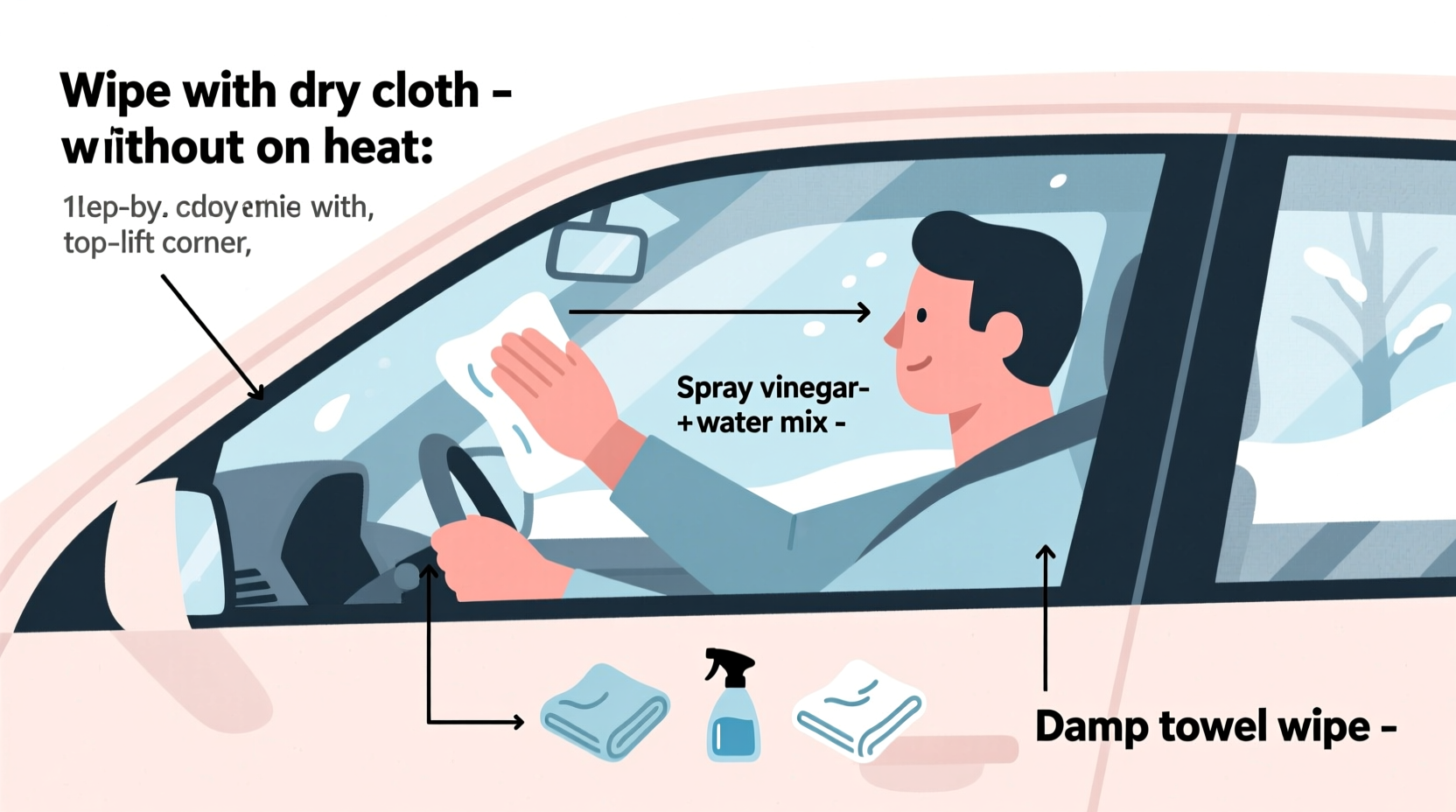
Fog on car windows isn’t just an inconvenience—it’s a predictable physical phenomenon. When the interior of your car contains humid air (from breath, wet clothing, snow boots, etc.) and the outside temperature drops, the windshield and side windows cool rapidly. As warm indoor air touches this cold surface, it cools down past its dew point, and water vapor condenses into tiny droplets—creating fog.
Most drivers respond by cranking up the heat and directing airflow at the windshield. While this eventually works, it often worsens the problem temporarily because warm air holds more moisture. Until the glass warms enough to evaporate the condensation, you might actually see the fog thicken before it clears.
“Fogging is a battle between temperature differential and humidity. Addressing moisture directly is faster than waiting for thermal equilibrium.” — Dr. Alan Reeves, Atmospheric Scientist, University of Michigan Transportation Research Institute
To defog without heat, focus shifts from temperature to moisture control and surface treatment. These strategies bypass the wait and deliver clarity within seconds.
Immediate Methods to Defog Windows Without Heat
You don’t need a working heater to regain visibility. The following techniques can be applied as soon as you enter your vehicle—even in freezing conditions.
1. Turn On the Air Conditioning (AC)
Yes, even in winter. Most modern vehicles allow you to run the AC without heat. Simply set the climate control to “defrost” mode and ensure the temperature dial is set to cool or neutral—not hot. The AC acts as a dehumidifier, pulling moisture out of the air before it reaches the windshield.
2. Crack Open the Windows
Opening the windows slightly—just an inch or two—equalizes pressure and allows humid interior air to escape. Cold, dry outside air replaces it, lowering the cabin’s relative humidity. This method works best in dry winter climates and can clear fog almost instantly.
3. Use a Microfiber Towel or Squeegee
Physical removal is the fastest way to restore visibility. Keep a clean, lint-free microfiber cloth or a small rubber squeegee in your glove compartment. Wipe the interior surface of the windshield and side windows in quick horizontal strokes. Unlike paper towels, microfiber won’t leave lint or scratches.
4. Apply a DIY Anti-Fog Solution
A homemade coating can prevent fog from forming in the first place. Mix one part white vinegar with three parts water in a spray bottle. Spray lightly onto a cloth (not directly on the glass to avoid electrical components) and wipe the interior windshield. Allow it to air dry. The acetic acid in vinegar alters the surface tension of water, preventing droplet formation.
Step-by-Step Guide: Clear Your Windows in Under 2 Minutes
Follow this sequence for rapid defogging without heat:
- Enter the vehicle and close all doors. Minimize additional moisture from outside.
- Turn the fan to maximum speed and set the mode to “defrost” (windshield icon).
- Engage the air conditioning (AC), even if the temperature dial is set to cold.
- Crack open the front windows about 1–2 inches to promote airflow exchange.
- Use a dry microfiber cloth to wipe away visible fog while the system works.
- After 60–90 seconds, check clarity. If needed, repeat wiping and adjust fan speed.
This method leverages forced airflow, dehumidification, and mechanical wiping—three forces that act faster than passive heating.
Preventative Strategies for Long-Term Clarity
While emergency defogging is essential, prevention is far more efficient. Implement these habits to minimize fog buildup before it starts.
Eliminate Interior Moisture Sources
Much of the moisture in your car comes from everyday items: wet floor mats, damp jackets, umbrellas, and even your breath overnight. Remove snow-covered gear before entering the vehicle. Store wet items in sealed plastic bins or trunk organizers with ventilation.
Treat Windows with Anti-Fog Coatings
Commercial anti-fog sprays (like Rain-X Anti-Fog) create a hydrophilic layer that spreads moisture into a thin, transparent film instead of droplets. Apply weekly for best results. Alternatively, use shaving cream—a household hack endorsed by many auto technicians.
“I’ve used shaving cream on my fleet vehicles for years. It’s cheap, effective, and lasts longer than most commercial products.” — Mike Tran, Fleet Maintenance Supervisor, Chicago Transit Authority
To apply: Spread a small amount of non-gel shaving cream on a microfiber cloth, rub it evenly on the interior glass, let sit for 30 seconds, then buff off with a dry section of the cloth.
Keep Interior Surfaces Dry
Use moisture-absorbing products like silica gel packs or reusable dehumidifier bags (e.g., DampRid). Place them under seats or in cup holders. They continuously pull humidity from the air, reducing the likelihood of condensation.
Do’s and Don’ts of Defogging Without Heat
| Do’s | Don’ts |
|---|---|
| Do use the AC to dehumidify air, even in cold weather. | Don’t rely solely on wiping—fog will return if humidity remains. |
| Do crack windows briefly to equalize humidity. | Don’t use hot air immediately—it can worsen fog initially. |
| Do keep a microfiber cloth or squeegee accessible. | Don’t use greasy substances like cooking oil as anti-fog agents. |
| Do apply anti-fog treatments weekly during winter. | Don’t ignore wet floor mats—they’re major moisture sources. |
| Do store moisture absorbers in the cabin. | Don’t breathe heavily near the windshield while parked. |
Real-World Example: A Commuter’s Winter Morning
Sarah, a nurse in northern Vermont, leaves for her 5:30 AM shift daily. One January morning, her car’s heater failed due to a blown fuse. The windshield was completely fogged, and scraping the outside only revealed another layer of condensation inside.
Instead of waiting or risking a drive blind, she turned the fan to high, activated the AC, cracked both front windows slightly, and wiped the glass with a microfiber towel from her bag. Within 90 seconds, the windshield was clear enough to drive safely. She kept a box of silica gel packets under her seat and began applying a vinegar solution weekly after that incident. Over the next winter, she never had a fogging issue again—even when the heater was repaired.
Sarah’s experience reflects a growing trend: drivers learning to manage cabin climate intelligently, not just reactively.
Checklist: Quick Defog Action Plan
- ✅ Keep a microfiber cloth or squeegee in the car at all times
- ✅ Ensure your AC system works year-round (test monthly)
- ✅ Install a moisture absorber (silica gel or commercial product)
- ✅ Apply anti-fog treatment weekly during cold months
- ✅ Remove wet items before entering the vehicle
- ✅ Set climate control to defrost + AC + max fan before starting engine
- ✅ Crack windows briefly upon entry if safe to do so
Frequently Asked Questions
Can I defog windows without AC?
Yes. If your car lacks AC or it's not functioning, use a combination of window cracking, manual wiping, and anti-fog coatings. Passive dehumidifiers like DampRid can also help reduce overall moisture over time, though they won’t clear fog instantly.
Why does my windshield fog up even when the car is off?
Fog forms due to humidity trapped inside the cabin. Overnight, temperature drops cause moisture from your breath, wet shoes, or damp upholstery to condense on cold glass. To prevent this, leave windows slightly open (if safe), remove moisture sources, or use desiccant packs.
Is it safe to use vinegar on car windows?
Yes, when diluted properly (1 part vinegar to 3 parts water) and applied with a cloth—not sprayed directly near electronics. Vinegar is mildly acidic but safe for glass and effective at disrupting fog formation. Rinse occasionally to prevent residue buildup.
Conclusion: Take Control of Winter Driving Visibility
Defogging car windows without heat isn’t just possible—it’s often faster and more efficient than waiting for the heater to kick in. By understanding the role of humidity and leveraging airflow, surface treatments, and simple tools, you can achieve instant clarity regardless of outdoor temperatures. These methods are especially valuable for older vehicles, emergency situations, or regions with extreme winters where every second counts.
Don’t wait for a foggy crisis to prepare. Equip your car with the right tools, adopt preventative habits, and practice the techniques outlined here. You’ll spend less time waiting and more time driving safely through winter’s toughest mornings.




 浙公网安备
33010002000092号
浙公网安备
33010002000092号 浙B2-20120091-4
Comments
No comments yet. Why don't you start the discussion?