
Thawing meat in a hurry is a common kitchen challenge. Whether you forgot to plan ahead or decided on a last-minute meal, rushing the defrost process can lead to uneven cooking, bacterial growth, or ruined texture. But with the right techniques, it’s possible to defrost meat quickly while preserving both quality and safety. This guide explores science-backed methods that balance speed, flavor retention, and food hygiene—so you can serve delicious, safe meals even when time is tight.
The Risks of Improper Defrosting
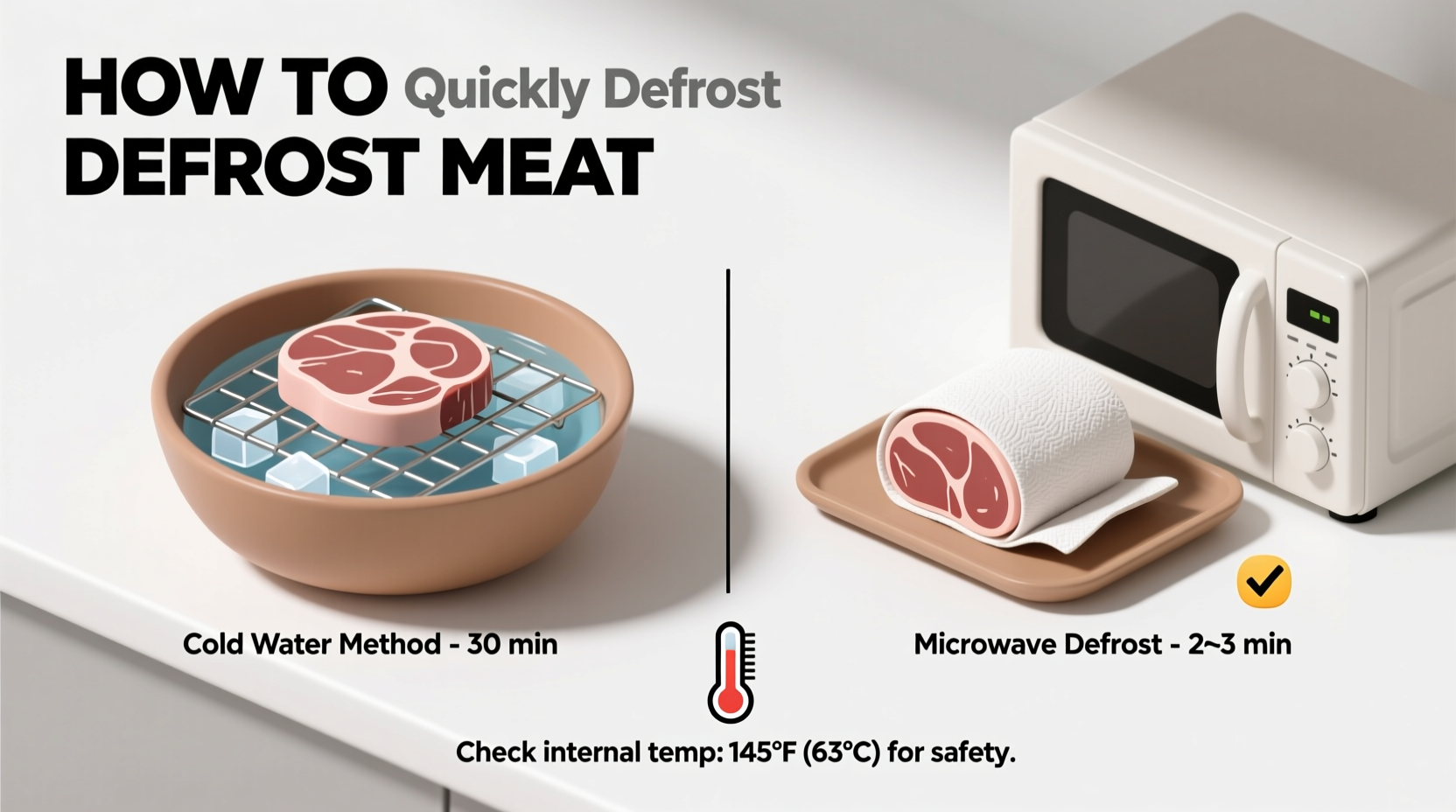
Meat begins to degrade not just in texture but also in microbial safety once it enters the \"danger zone\"—temperatures between 40°F (4°C) and 140°F (60°C). Within this range, bacteria like *Salmonella* and *E. coli* can multiply rapidly. Leaving meat on the counter or using hot water may seem fast, but they expose outer layers to unsafe temperatures long before the center thaws, increasing contamination risk.
Texture degradation is another concern. Ice crystals formed during freezing can rupture muscle fibers. If thawed too slowly or unevenly, moisture loss accelerates, leading to dry, tough meat after cooking. Rapid temperature shifts worsen this effect, especially if the surface starts to cook while the inside remains frozen.
“Time and temperature control are critical when handling frozen meats. The goal isn’t just speed—it’s maintaining integrity from freezer to plate.” — Dr. Lena Patel, Food Safety Scientist at the USDA Food Research Lab
Safe and Effective Defrosting Methods
Not all thawing methods are created equal. Below are three reliable approaches that prioritize both safety and quality, ranked by speed and practicality.
1. Cold Water Thawing (Fast & Controlled)
This method significantly reduces thawing time compared to refrigeration while keeping the meat safely below the danger zone. It works well for steaks, chicken breasts, ground meat patties, and smaller cuts.
To use cold water thawing:
- Place the sealed meat in a large bowl or clean sink.
- Cover completely with cold tap water (never warm or hot).
- Change the water every 30 minutes to maintain a consistent low temperature.
- Allow approximately 30 minutes per pound for thin cuts; thicker pieces may take up to 2 hours.
A one-inch thick steak typically thaws within 60–90 minutes using this method. Once thawed, cook immediately.
2. Microwave Defrost Setting (Quickest Option)
When minutes matter, the microwave offers the fastest solution—but requires caution. Microwaves heat unevenly, so some areas may begin to cook while others remain frozen.
Follow these steps:
- Remove all external packaging, especially foam trays or metal clips.
- Place meat on a microwave-safe plate.
- Use the “defrost” setting based on weight, or manually set power to 30–50%.
- Pause and flip the meat every 2 minutes to promote even thawing.
- Stop as soon as the meat is pliable but still icy in the center.
Ground beef usually defrosts in 8–12 minutes; bone-in chicken may take 10–15. Cook immediately after microwaving to prevent bacterial growth in partially warmed zones.
3. Refrigerator Thawing (Safest, Slowest)
Though not “quick,” refrigerator thawing deserves mention as the gold standard for preserving texture and ensuring safety. Plan ahead: allow 24 hours for every 5 pounds of meat.
Benefits include:
- No risk of entering the danger zone.
- Minimal moisture loss due to gradual temperature change.
- Flexibility—you can delay cooking for up to 2 days after full thawing.
If you're short on time but have a few extra hours, combine methods: start with cold water thawing, then finish in the fridge if you won't cook immediately.
What Not to Do: Common Mistakes
Avoid these dangerous or damaging practices:
| Method | Risk | Better Alternative |
|---|---|---|
| Leaving meat on the counter | Surface reaches danger zone within an hour | Cold water or microwave defrosting |
| Using hot water | Starts cooking exterior, promotes bacteria | Cold water with frequent changes |
| Defrosting in non-leak-proof bags | Waterlogged meat, texture damage | Vacuum-sealed or double-bagged meat |
| Refreezing thawed meat | Loss of juiciness, increased spoilage risk | Cook first, then freeze leftovers |
Preserving Texture During Fast Thawing
Even with safe methods, texture preservation depends on preparation and handling. Consider the following strategies:
Vacuum-Sealing Matters
Meat frozen in vacuum-sealed packages retains more moisture and resists freezer burn. When thawing, this protection extends to minimizing cell damage. If you regularly freeze meat, invest in a vacuum sealer or use high-quality resealable freezer bags with air pressed out.
Brining Before Freezing (Advanced Tip)
Some chefs brine meat before freezing. A light salt-and-water solution helps stabilize proteins, reducing moisture loss during both freezing and thawing. For example, a 30-minute brine (1/4 cup salt per quart of water) before freezing chicken breasts can improve tenderness post-thaw.
Minimize Temperature Shock
Sudden transitions from extreme cold to warmth stress muscle fibers. Instead of moving meat directly from freezer to hot pan, allow a brief stabilization period after thawing. For instance, let a cold-water-thawed steak sit at room temperature for 15–20 minutes before seasoning and searing.
Portion Control for Faster Results
Freeze meat in flat, portion-sized packs. Thin shapes thaw faster and more evenly than bulky blocks. Ground meat flattened into discs, individual chicken cutlets, or thinly sliced steak freeze and defrost quicker than clumped or stacked portions.
Real-World Example: Last-Minute Dinner Rescue
Consider Sarah, a working parent who decides at 5:30 PM to make stir-fry for dinner. She pulls a bag of frozen chicken strips from the freezer—no time for overnight thawing. Here’s how she handles it safely:
- At 5:35 PM, she places the sealed chicken in a leak-proof bag and submerges it in a bowl of cold water.
- She changes the water every 30 minutes, monitoring the texture.
- By 6:45 PM, the chicken is fully pliable with no ice crystals.
- She immediately heats oil in a wok, adds vegetables, then the chicken, cooking everything thoroughly.
The result? Juicy, evenly cooked chicken with no rubbery texture or off-flavors. By choosing cold water thawing and cooking promptly, Sarah avoided food safety risks and delivered a satisfying meal.
Step-by-Step Guide: How to Safely Defrost Meat in Under 2 Hours
Follow this timeline for optimal results when time is limited:
- Minute 0: Retrieve frozen meat and confirm packaging integrity. If needed, transfer to a sealed plastic bag, removing excess air.
- Minute 2: Fill a large bowl or sink with cold tap water (around 60°F or cooler).
- Minute 3: Submerge the meat completely. Ensure no part is exposed to air.
- Every 30 Minutes: Drain and refill with fresh cold water to maintain temperature below 70°F.
- Check Progress: Gently press the thickest area. When soft throughout with no hard icy core, it’s ready.
- Immediately After Thawing: Pat dry, season, and cook using your preferred method. Do not refreeze.
This method works best for cuts under 1.5 inches thick. For larger roasts or whole poultry, consider cutting into smaller portions before thawing.
Frequently Asked Questions
Can I cook meat directly from frozen?
Yes, but with adjustments. Cooking frozen meat increases total time by about 50%. Use lower, indirect heat initially to allow internal thawing before searing or browning. Roasting, slow cooking, or sous-vide are ideal methods. Avoid grilling thick frozen steaks unless you can control two-zone heat.
Is it safe to defrost meat in hot water?
No. Hot water quickly raises the surface temperature into the danger zone, encouraging bacterial growth while the center remains frozen. Stick to cold water (below 70°F) for safe, even thawing.
Why does my thawed meat feel slimy?
A slimy texture often indicates spoilage or improper storage. However, if it occurs immediately after water thawing, it may be due to protein leaching from damaged cells. Always rinse under cold water and pat dry before cooking. If slime persists or has an odor, discard the meat.
Expert-Backed Checklist for Quick, Safe Defrosting
Use this checklist whenever you need to thaw meat quickly:
- ✅ Confirm meat is in leak-proof packaging
- ✅ Use only cold water—not warm or hot—for immersion
- ✅ Change water every 30 minutes
- ✅ Keep meat submerged and flat for even exposure
- ✅ Check doneness by touch: no icy core should remain
- ✅ Cook immediately after thawing
- ✅ Never refreeze raw meat once thawed
- ✅ Label and date frozen meat to track freshness
Conclusion: Speed Doesn’t Have to Sacrifice Quality
Defrosting meat quickly doesn’t mean cutting corners on safety or taste. With proper technique—especially cold water immersion and careful microwave use—you can prepare fresh-tasting meals on short notice without risking illness or disappointing textures. The key lies in controlling temperature, minimizing moisture loss, and cooking immediately after thawing.




 浙公网安备
33010002000092号
浙公网安备
33010002000092号 浙B2-20120091-4
Comments
No comments yet. Why don't you start the discussion?