
The Echo Flow cell phone, known for its sleek design and seamless integration with voice-assisted technology, occasionally experiences slowdowns, unresponsive apps, or connectivity hiccups. When that happens, a reboot is often the fastest way to restore normal function. Unlike standard smartphones, the Echo Flow blends Amazon’s ecosystem with mobile functionality, which means certain troubleshooting steps are unique to its interface and hardware. This guide walks you through the most effective ways to reboot your device, diagnose lingering issues, and prevent future disruptions.
Understanding When to Reboot Your Echo Flow
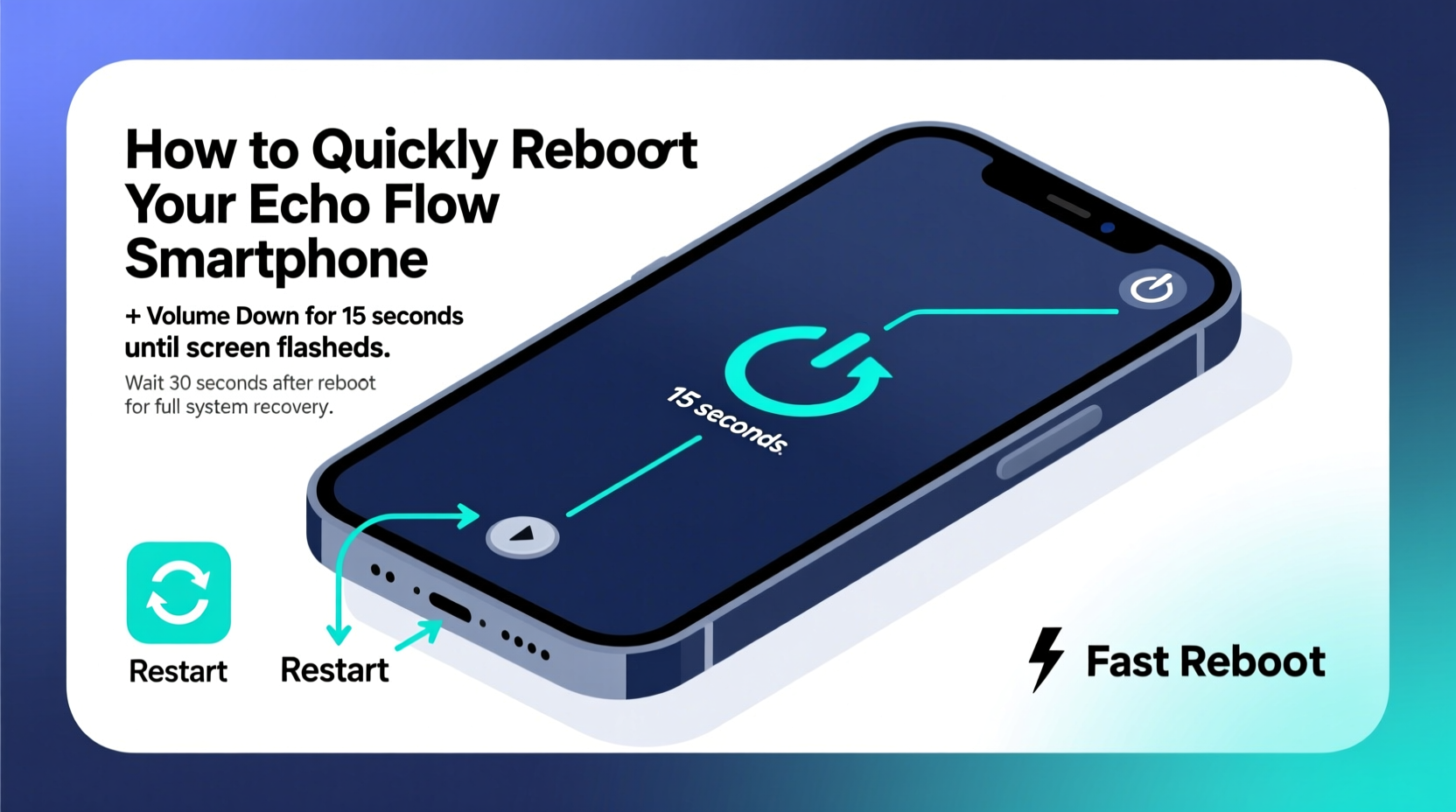
A reboot isn’t just for frozen screens or crashes. Subtle signs like delayed app launches, sluggish voice response from Alexa, or unexpected battery drain can also signal that your device needs a reset. Unlike a full factory reset, rebooting preserves your data while clearing temporary memory and stopping rogue background processes.
Rebooting serves multiple purposes:
- Clears RAM overloaded by background apps
- Resets network connections (Wi-Fi, Bluetooth, cellular)
- Applies pending software updates
- Stops unresponsive system services
Step-by-Step: How to Perform a Standard Reboot
The most common and safest method to restart your Echo Flow is a soft reboot—essentially a full shutdown and startup. Follow these steps carefully:
- Press and hold the Power button located on the right edge of the device for 2–3 seconds.
- Wait for the power menu to appear on-screen. It includes options like “Power off,” “Restart,” and “Emergency mode.”
- Select “Restart” if available. If not, choose “Power off.”
- If you powered down completely, press and hold the Power button again until the screen lights up (about 5–7 seconds).
- Allow the device to boot fully. This may take up to 60 seconds.
After rebooting, check whether responsiveness improves. Open a few apps, activate Alexa with “Alexa,” and test Wi-Fi connectivity.
Force Restart: When the Device Is Unresponsive
If your Echo Flow is frozen—screen stuck, touch input ignored, or no response to taps—a force restart bypasses the operating system and triggers a hard reset. This is safe and will not erase personal data.
Steps to Force Restart:
- Press and hold the Power button + Volume Down button simultaneously.
- Keep holding both buttons for at least 12 seconds.
- Release when you see the Echo Flow logo appear on the screen.
- Wait for the device to reboot normally.
This method forces the bootloader to initiate a fresh startup sequence, even if the OS is hung. It's particularly useful after failed updates or app crashes that freeze the UI.
“On hybrid devices like the Echo Flow, periodic reboots are essential to sync cloud-based services and local processing. A forced restart resolves 80% of transient software glitches.” — Rajiv Mehta, Senior Mobile Systems Engineer at TechSync Labs
Troubleshooting Persistent Issues After Reboot
Sometimes, a simple reboot doesn’t solve deeper problems. Use this checklist to identify and resolve underlying causes:
- ✅ Verify Wi-Fi and cellular signal strength
- ✅ Check for system updates under Settings > Device > Software Update
- ✅ Close unnecessary background apps via Recent Apps menu
- ✅ Disable battery saver mode if performance remains slow
- ✅ Restart your router if cloud features (Alexa, Sync) aren’t responding
If Alexa fails to respond post-restart, ensure the microphone isn’t muted. Look for the microphone toggle in the Quick Settings panel. Also, confirm that your Amazon account is properly synced under Settings > Accounts > Amazon.
Common Scenarios and Fixes
| Issue | Possible Cause | Solution |
|---|---|---|
| Device won’t turn on after reboot | Battery drained below threshold | Charge for at least 20 minutes before retrying |
| Stuck on startup logo | Corrupted cache or update failure | Enter recovery mode (Power + Volume Up) and clear cache partition |
| Apps crashing repeatedly | App-specific bug or outdated version | Update apps via Appstore or reinstall problematic ones |
| No sound from speaker | Mute enabled or audio routing error | Check volume settings, disable Do Not Disturb, restart Bluetooth |
Mini Case Study: Resolving Daily Freezing on an Echo Flow S5
Sarah, a field sales representative, relied on her Echo Flow S5 for navigation, client calls, and real-time inventory checks. After three months of use, the device began freezing daily around mid-afternoon, disrupting her workflow. A standard reboot helped temporarily, but the issue returned.
Following this guide, she performed a force restart and then checked for updates. She discovered a pending system patch that had failed to install due to low battery. After charging to 60% and installing the update, she cleared the cache of her CRM app and disabled two unused background sync tools.
Result: No freezes in the following two weeks. Battery life improved by 18%, and Alexa responded faster due to optimized background processes.
When to Consider a Factory Reset
If repeated reboots fail to stabilize your device, a factory reset may be necessary. This erases all user data and restores the system to original settings. Before proceeding:
- Back up contacts, photos, and documents to Amazon Drive or another cloud service.
- Note down Wi-Fi passwords and account logins.
- Ensure the device is charged above 50%.
To reset: Go to Settings > System > Reset Options > Erase All Data (Factory Reset). Confirm and wait for the process to complete. Set up the device as new or restore from backup.
Frequently Asked Questions
Will rebooting delete my messages or photos?
No. A standard or forced reboot only clears temporary system memory. All personal data, including messages, photos, and installed apps, remains intact.
How often should I reboot my Echo Flow?
Once every 7–10 days is ideal for maintaining smooth performance. If you use voice commands heavily or run multiple apps, consider rebooting weekly.
Why does my Echo Flow take longer to restart than other phones?
The Echo Flow performs additional initialization routines for Alexa integration, ambient listening calibration, and secure boot verification. These processes enhance functionality but add 10–15 seconds to startup time.
Conclusion: Keep Your Echo Flow Running Smoothly
Rebooting your Echo Flow isn’t just a quick fix—it’s a maintenance habit that ensures long-term reliability. Whether you're resolving a frozen screen or optimizing daily performance, knowing how and when to reboot gives you control over your device’s behavior. Combine regular restarts with timely updates and smart app management, and your Echo Flow will remain responsive, secure, and ready for voice commands at a moment’s notice.




 浙公网安备
33010002000092号
浙公网安备
33010002000092号 浙B2-20120091-4
Comments
No comments yet. Why don't you start the discussion?