
Crying is a natural emotional release, but when it happens at an inconvenient time—before a meeting, during a breakup, or right before stepping into public—it can leave visible traces that make you feel self-conscious. Red eyes, puffy lids, blotchy skin, and smudged makeup can undermine confidence even when the emotional storm has passed. The good news: with the right techniques, you can reset your appearance in under 15 minutes. Dermatologists, makeup artists, and wellness experts agree that quick, targeted actions can minimize signs of tears and restore a calm, put-together look.
Why Crying Changes Your Appearance
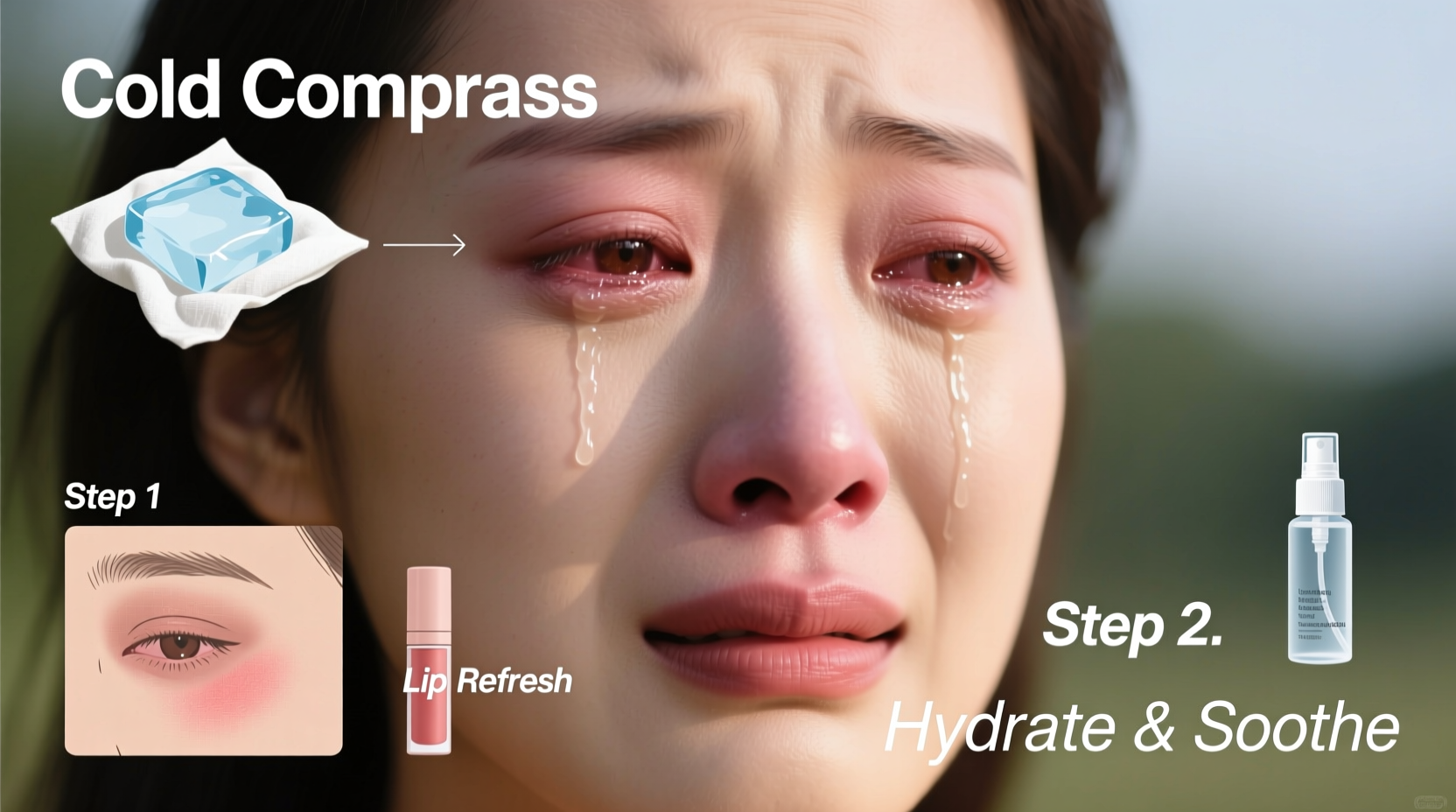
When you cry, blood vessels in your face dilate due to increased heart rate and emotional stress. This causes redness, particularly around the eyes and cheeks. Tears contain salt, which draws water from surrounding tissues, leading to puffiness. Additionally, rubbing your eyes aggravates inflammation and may cause temporary fluid retention beneath the eyelids. These physical responses are normal, but they’re often what people want to reverse quickly when reentering social or professional environments.
“Facial swelling and redness after crying are temporary vascular reactions. With cold therapy and gentle care, most signs can be reduced significantly within 10–15 minutes.” — Dr. Lena Park, Board-Certified Dermatologist
Step-by-Step Guide to Looking Composed After Crying
Follow this timeline for fast, effective results:
- Stop rubbing your eyes (0–1 minute): Rubbing worsens inflammation. Use soft tissue or cotton pads to gently dab away tears.
- Rinse with cool water (1–3 minutes): Splash your face with cold water to constrict blood vessels and reduce redness.
- Apply cold compress (3–7 minutes): Use chilled spoons, a damp washcloth from the fridge, or a gel eye mask to depuff the eyes.
- Hydrate and breathe (5–9 minutes): Sip cold water and practice deep breathing to lower cortisol and steady your pulse.
- Touch up makeup (10–14 minutes): Correct smudges and add brightness with strategic products.
- Adjust posture and expression (14–15 minutes): Sit upright, relax your jaw, and take calming breaths to project composure.
Do’s and Don’ts After Crying
| Do | Don't |
|---|---|
| Dab eyes gently with a clean tissue | Rub or press on swollen eyelids |
| Use cold compresses for 5-minute intervals | Apply ice directly to the skin |
| Reapply moisturizer to prevent dryness | Layer heavy makeup to \"cover up\" |
| Drink water to flush out excess salt | Consume caffeine or alcohol immediately (they dehydrate) |
| Breathe deeply to regulate nervous system | Isolate yourself if safety allows—movement helps circulation |
Makeup Recovery Techniques
If you wear makeup, post-cry touch-ups require precision, not concealment. The goal is to enhance your natural recovery, not mask it unnaturally.
- Correct smudged mascara: Use a cotton swab dipped in micellar water to erase clumps without disturbing foundation.
- Neutralize redness: Apply a green-tinted color corrector under the eyes and on flushed cheeks before lightening with a sheer concealer.
- Brighten the gaze: Line the inner lower lid with a nude pencil to make eyes appear more open and less tired.
- Set strategically: Use translucent powder only on oily zones—avoid the under-eye area to prevent creasing.
- Add glow: A touch of cream highlighter on cheekbones and brow bones shifts focus toward radiance, not irritation.
“When clients have been crying before shoots, I avoid thick layers. Instead, I use hydrating mists and reflective textures to create a ‘just-refreshed’ effect, not a ‘covered-up’ one.” — Marcus Tran, Celebrity Makeup Artist
Real-Life Scenario: Recovering Before a Job Interview
Sophie had a panic attack in her car 20 minutes before a final-round interview. Her eyes were red, her skin blotchy, and her mascara was streaked. Using supplies from her emergency kit—a chilled metal rollerball, rosewater mist, and a mini concealer—she followed a rapid protocol. She splashed her face with cold water, applied the roller under her eyes for five minutes, sipped bottled water, and reapplied minimal makeup. By focusing on reducing puffiness and restoring hydration rather than full camouflage, she entered the building looking calm and collected. She later shared that the interviewer complimented her “clear, focused energy.”
This example shows that effectiveness isn’t about perfection—it’s about subtle restoration and projecting presence.
Long-Term Habits for Emotional and Physical Resilience
Frequent emotional episodes can lead to chronic skin sensitivity or broken capillaries if not managed. Incorporate these habits to support both mental well-being and physical appearance:
- Keep skin barrier strong: Use a ceramide-rich moisturizer daily to protect against irritation.
- Practice facial massage: Gua sha or lymphatic drainage techniques improve circulation and reduce fluid retention over time.
- Stay hydrated: Well-hydrated skin recovers faster from inflammation.
- Normalize emotional release: Acknowledge crying as healthy—this reduces shame and speeds psychological recovery.
Frequently Asked Questions
How long does it take for redness to go away after crying?
Most visible redness fades within 15–30 minutes after using cold therapy and staying hydrated. Persistent flushing beyond an hour may benefit from a soothing topical like aloe vera or niacinamide serum.
Can I use eye drops to reduce bloodshot eyes?
Yes, lubricating or mild vasoconstrictor eye drops (like those for allergies) can help clear redness temporarily. However, avoid overuse—they can cause rebound redness. Use no more than once every 24 hours unless prescribed.
What if I don’t have makeup or skincare products nearby?
You can still recover effectively. Rinse your face with cold water, splash your wrists and neck to cool down, take slow breaths, and let time pass. Often, simply removing yourself from the trigger and resetting your physiology makes the biggest difference.
Final Checklist: Emergency Refresh Protocol
- Stop rubbing your eyes.
- Rinse face with cold water.
- Apply cold compress (spoons, cloth, or roller) for 5 minutes.
- Sip cold water slowly.
- Use gentle dabbing motions to remove tear residue.
- Apply lightweight moisturizer or eye cream.
- Touch up makeup minimally—focus on brightening, not masking.
- Practice two minutes of deep breathing: inhale for 4 counts, exhale for 6.
- Adjust posture: sit or stand tall, relax shoulders, soften facial muscles.
Conclusion: Regain Control with Confidence
Looking composed after crying isn’t about hiding emotion—it’s about honoring your experience while regaining control of your presentation. With simple tools and mindful practices, you can transition from distress to poise quickly and gracefully. Whether you're heading into a high-stakes meeting or rejoining friends after a private moment, remember that resilience includes both feeling deeply and recovering visibly. These strategies empower you to do both with dignity.




 浙公网安备
33010002000092号
浙公网安备
33010002000092号 浙B2-20120091-4
Comments
No comments yet. Why don't you start the discussion?